
Search for “HGH Fragment 176-191” and one problem appears almost immediately:
different websites do not always use the same molecular definition.
Some pages treat HGH Fragment 176-191 and AOD-9604 as interchangeable names. Others describe them as closely related but distinct peptides.
For laboratories and biotechnology companies, this is more than a naming issue.
It is an identity and analytical-quality issue.
What Is HGH Fragment 176-191?
HGH Fragment 176-191 is a synthetic peptide associated with the C-terminal region of human growth hormone.
Common research names include:
- HGH Fragment 176-191
- HGH Frag 176-191
- GH Fragment 176-191
- hGH 176-191
- Somatotropin 176-191
- Human Growth Hormone Fragment 176-191
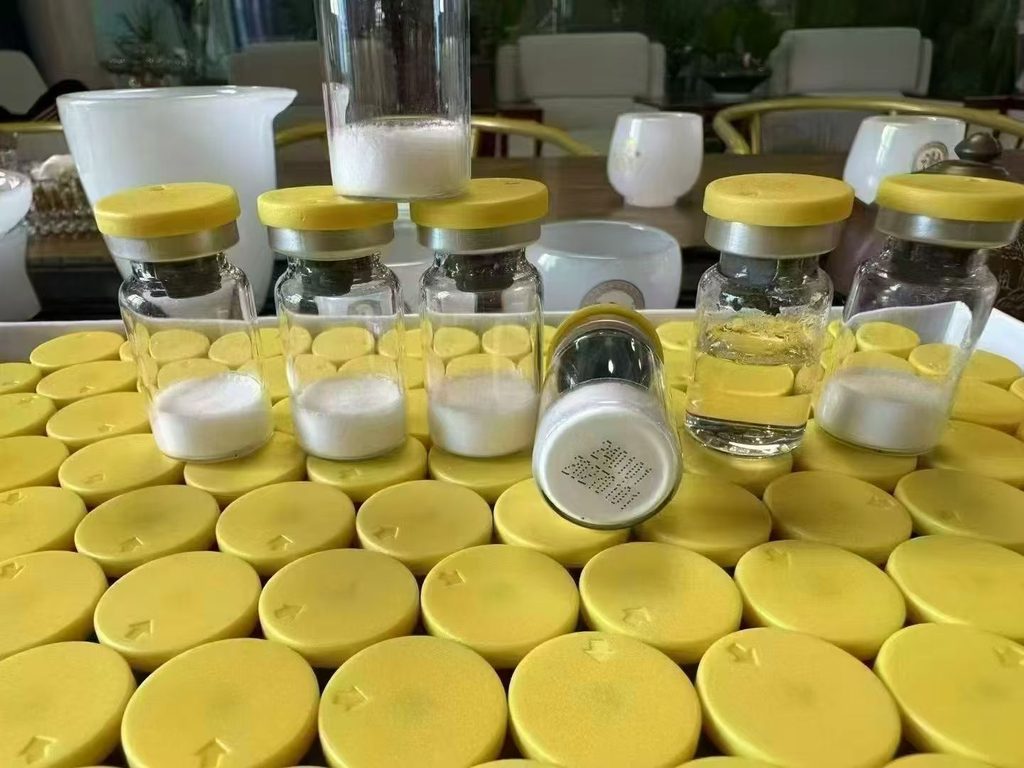
Sunone supplies HGH Fragment 176-191 as lyophilized research material for laboratory, analytical and peptide-related biochemical studies.
Why Is It Frequently Confused With AOD-9604?
AOD-9604 was developed from the C-terminal region of human growth hormone.
Scientific literature describes AOD-9604 as the hGH 177-191 region with an additional N-terminal tyrosine.
That structural relationship is close enough that commercial pages frequently use terms such as:
AOD-9604, HGH Fragment 176-191 and HGH 177-191
as though they were automatically equivalent.
For research procurement, that shortcut can create problems.
A product name cannot replace exact molecular identification.
Sequence Identity Comes Before Marketing Names
If two peptide materials are described using different sequences, molecular formulas, CAS numbers or expected masses, researchers should not assume they are identical simply because both are marketed as “HGH Fragment.”
The correct questions are:
What exact amino-acid sequence is supplied?
Which CAS number applies to that material?
What molecular mass should mass spectrometry detect?
And does the batch COA correspond to that exact identity?
This is particularly important when comparing HGH Fragment 176-191 with AOD-9604.
What Does the Published Research Actually Show?
The C-terminal region of human growth hormone has been investigated in lipid-metabolism research.
Animal studies using the modified C-terminal peptide AOD-9604 reported changes involving lipolysis, fat oxidation and beta-3-adrenergic pathways.
Those findings helped establish scientific interest in GH-derived fragments.
However, evidence obtained with AOD-9604 should not automatically be presented as direct evidence for every material sold under the name HGH Fragment 176-191.
Related molecules are not necessarily interchangeable evidence sources.
Full-Length HGH Is Also Different
HGH Fragment 176-191 should also be distinguished from full-length HGH 191AA / Somatropin.
Somatropin is a recombinant 191-amino-acid protein with broad growth-hormone receptor biology.
HGH Fragment 176-191 represents only a small C-terminal peptide region.
Therefore, research performed using full-length recombinant HGH cannot automatically be applied to the fragment.
Why HPLC Alone Does Not Resolve the Naming Problem
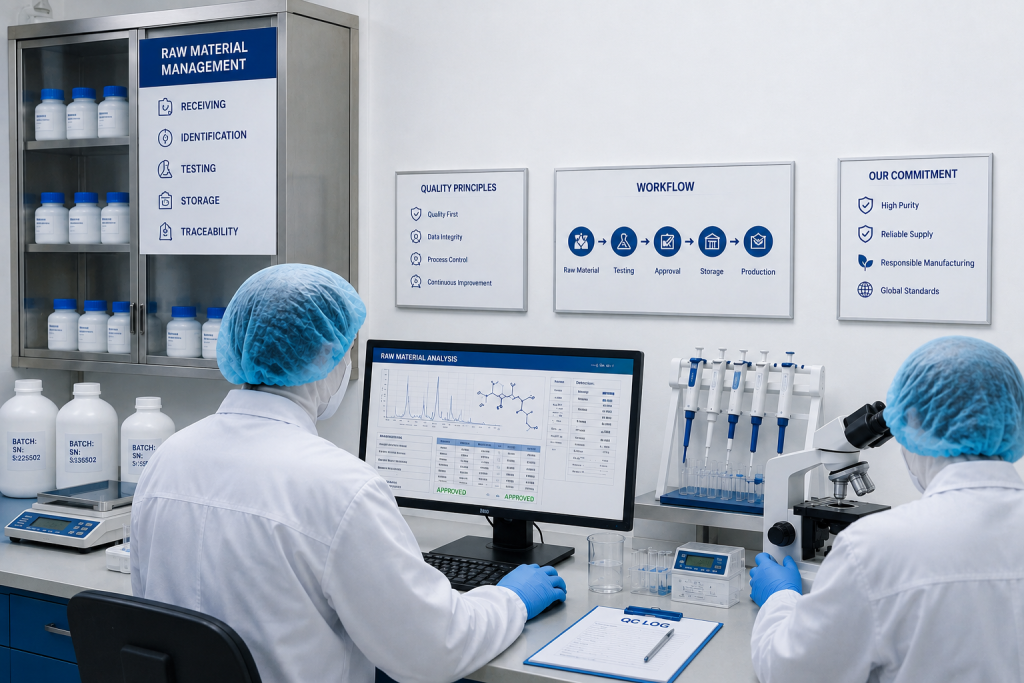
HPLC is valuable for assessing chromatographic purity.
But a high HPLC percentage alone does not establish that the principal peak corresponds to the intended peptide sequence.
For closely related peptides, laboratories may also consider:
mass spectrometry, expected molecular mass, reference standards and sequence-specific documentation.
HPLC purity and molecular identity answer different questions.
Why a Batch-Specific COA Matters
A generic statement such as “98% pure HGH Fragment” provides limited traceability.
A stronger procurement framework connects the material to an actual batch.
Researchers should check whether the Certificate of Analysis identifies:
- product name,
- lot or batch number,
- applicable molecular specification,
- analytical method,
- HPLC result,
- identity data where available, and
- testing date or release information.
This is especially important when peptide nomenclature is inconsistent across the market.
What Do Online HGH Fragment Reviews Tell Us?
Public reviews are highly mixed.
Some users report perceived changes in body weight or body composition.
Others report little or no noticeable effect.
These experiences usually involve self-administered materials from unrelated suppliers, sometimes combined with other compounds.
They therefore cannot establish the biological activity, purity or identity of a Sunone research batch.
Consumer testimonials should not replace controlled research or analytical documentation.
Sunone HGH Fragment 176-191 Research Peptide
Sunone (Hong Kong) Biopharmaceutical International Technology Co., Limited supplies HGH Fragment 176-191 for qualified laboratory, analytical and manufacturing applications.
Current Sunone product information includes:
- HGH Fragment 176-191
- Somatotropin (176-191)
- CAS 66004-57-7
- Molecular formula C78H123N23O22S2
- Molecular weight approximately 1799.1 g/mol
- ≥98% HPLC research-grade specification
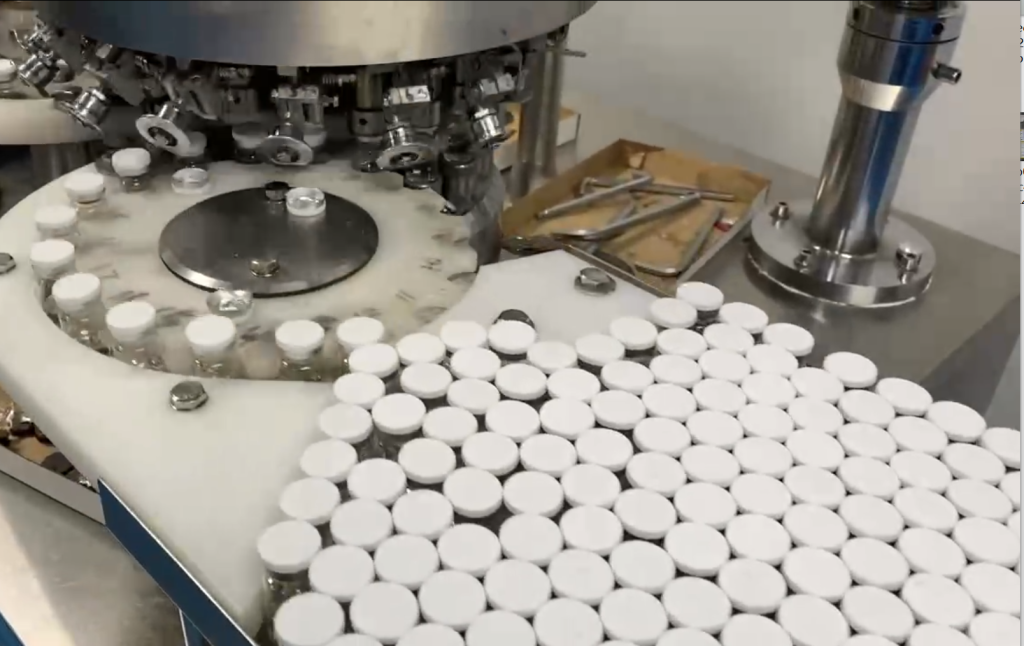
- Lyophilized format
- Certificate of Analysis
- Safety Data Sheet
- Product specification documentation
- Batch analytical documentation where applicable
View the Sunone HGH Fragment 176-191 research peptide product page for current batch specifications, analytical documentation and B2B sourcing information.
For biotechnology companies comparing an HGH Fragment 176-191 supplier, growth hormone fragment manufacturer or research peptide supplier, exact sequence identity, HPLC purity, mass confirmation and batch traceability are more useful procurement criteria than marketing claims.
Final Perspective
HGH Fragment 176-191 illustrates a common peptide-research problem:
similar names do not guarantee identical molecules.
The relationship between HGH Fragment 176-191, HGH 177-191 and AOD-9604 makes sequence-level identification especially important.
Before using published literature to interpret a research material, laboratories should confirm:
Which molecule was actually studied?
Which molecule is actually being supplied?
Does the expected molecular mass match?
Does analytical testing support identity?
And does the COA belong to the supplied batch?
For reproducible peptide research, those questions matter more than the product name alone.
This content is provided for scientific and educational purposes only. SUNONE research peptide is for qualified labrtorynt, diagnois, druc tor mmatct or veteimant, use.research only, Not for human consumption, clinical treame. Purchasers are responsible for complying with applicable laws and regulations in their jurisdiction.
Leave a Reply