
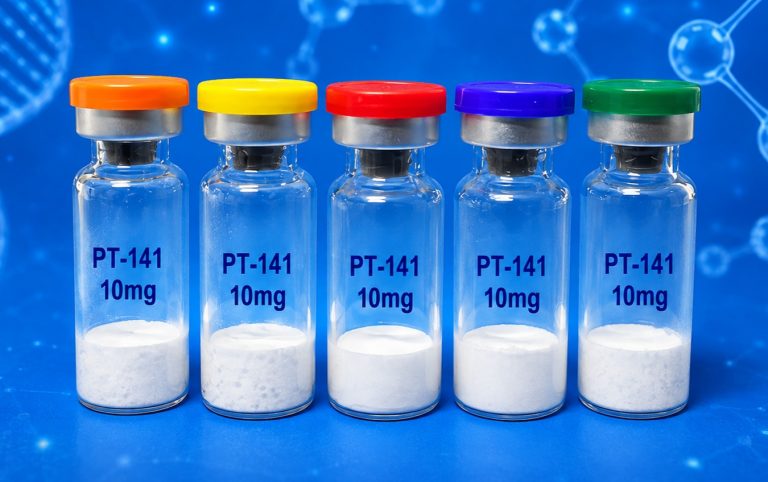
PT-141 Research Peptide: Same Molecule Name, Very Different Product Standards
PT-141 and bremelanotide are often treated as interchangeable search terms online. Chemically, that makes sense. From a professional…
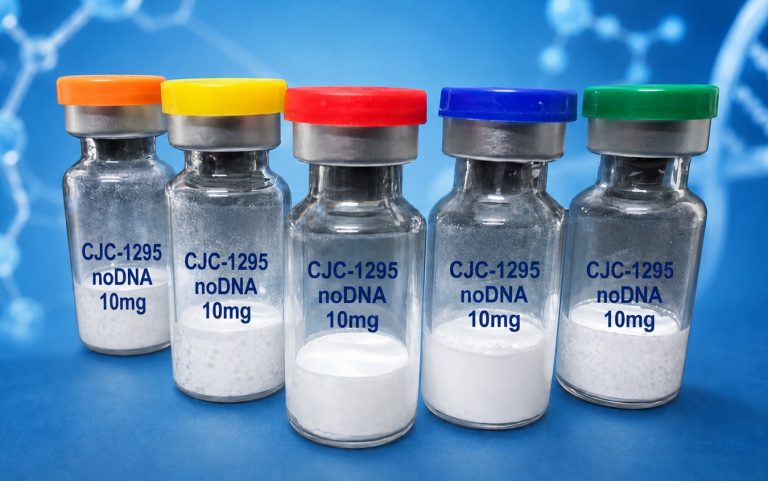
CJC-1295 No DAC Research Peptide: Why “No DAC” Changes the Research Question
CJC-1295 No DAC and CJC-1295 with DAC are often discussed as if they were interchangeable. For professional peptide…
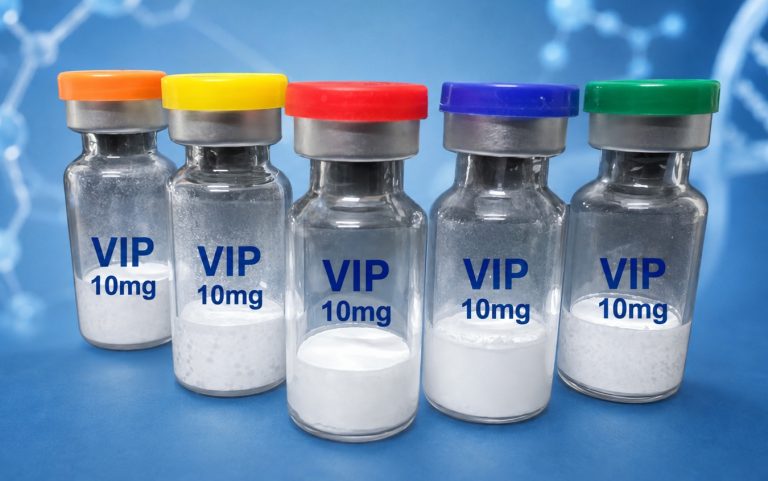
VIP Research Peptide: Why the Name Alone Is Not Enough
Search for “VIP peptide” and you may also encounter names such as Vasoactive Intestinal Peptide, Vasoactive Intestinal Polypeptide…
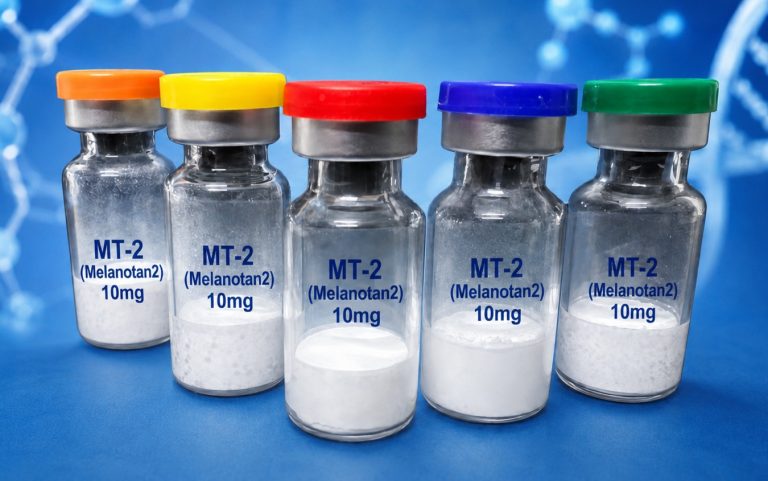
Melanotan 2 Research Peptide: Why a Name on the Vial Isn’t Enough
When a vial says “Melanotan 2,” how do you know the material actually matches the label? That question…
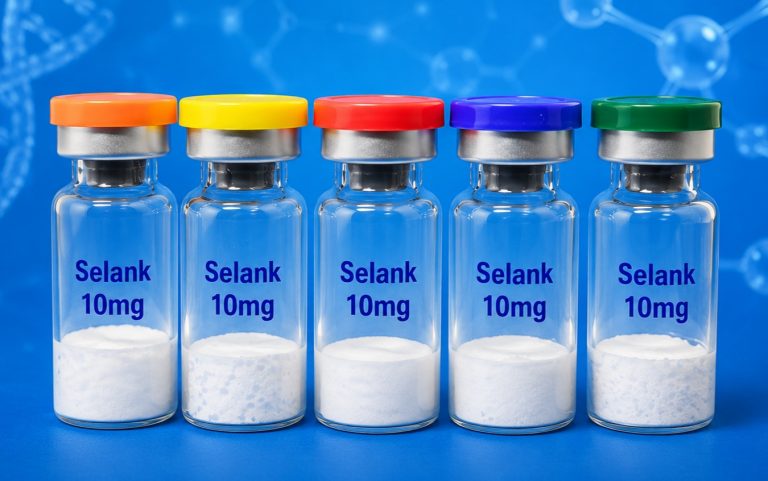
Selank Research Peptide: Seven Amino Acids, One Big Question—Can You Verify the Material?
Selank is only seven amino acids long, yet sourcing it professionally involves much more than reading a purity…
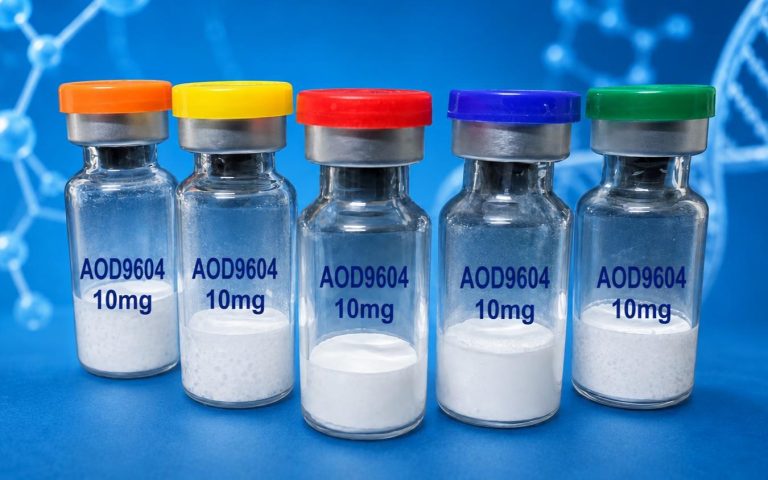
AOD-9604 Research Peptide: Why “HGH Fragment” Doesn’t Tell You Enough
AOD-9604 is often described online simply as an “HGH fragment.” For professional laboratories, however, that description raises more…
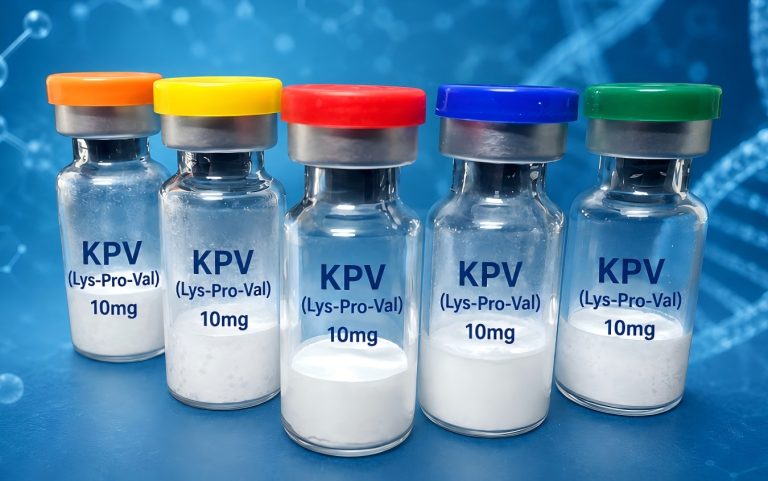
KPV Research Peptide: Small Molecule, Big Question—Can You Verify What You’re Buying?
KPV contains only three amino acids — Lys-Pro-Val. That simplicity can make it look like an easy peptide…
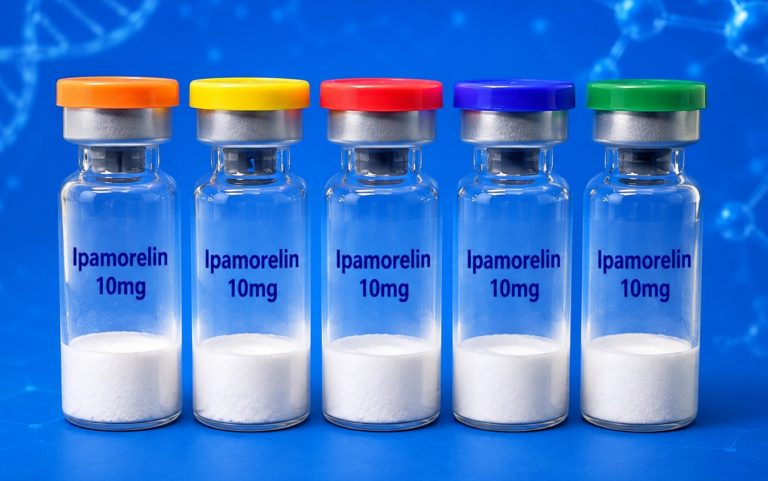
Ipamorelin Research Peptide: Why 99% Purity Is Only Half the Story
Search for Ipamorelin peptide and you will find dozens of suppliers advertising “99% purity.” But for laboratories and…
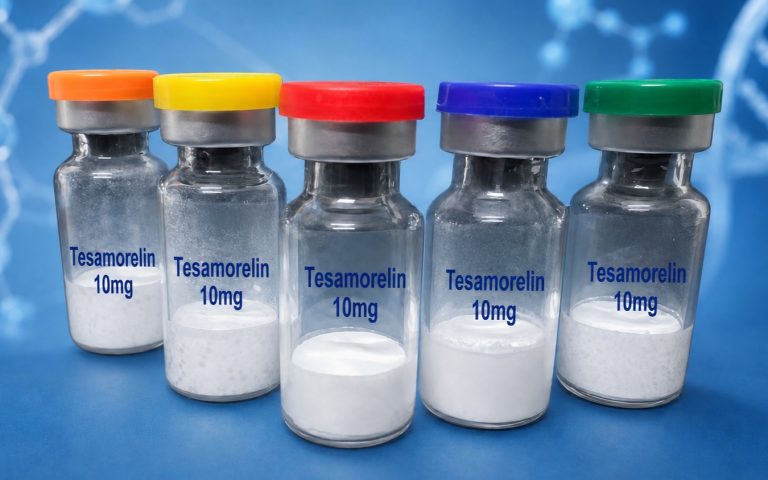
Tesamorelin Research Peptide: Why Identity and Documentation Matter
Tesamorelin is unusual among research peptides: the molecule is widely studied in growth hormone–releasing hormone research, while tesamorelin…
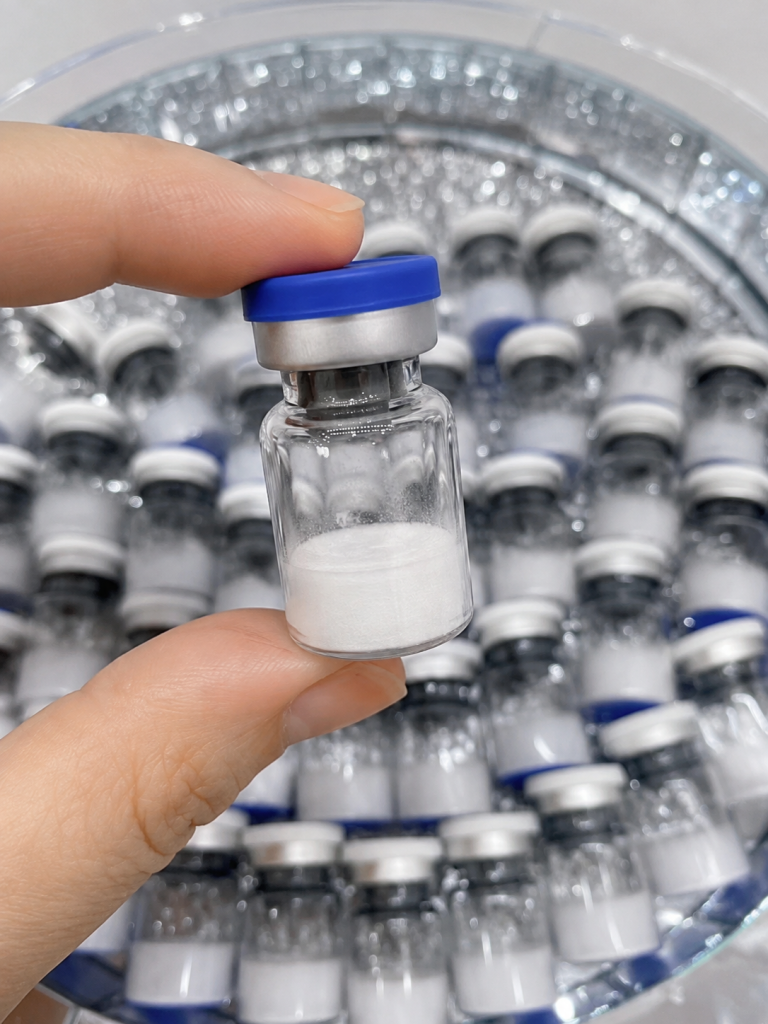
TB-500 Research Peptide: Why Identity Matters More Than the Name
Search for TB-500 peptide online and you will often see it described simply as “Thymosin Beta-4.” There is…