
What Is KPV Peptide?
KPV is small—even by peptide standards.
Made from only three amino acids, lysine-proline-valine (Lys-Pro-Val), KPV corresponds to the C-terminal tripeptide of alpha-melanocyte-stimulating hormone (α-MSH).
That compact structure is one reason KPV peptide continues to attract interest in laboratory research involving inflammatory signaling, epithelial biology and cellular-response pathways.
But the growing online attention surrounding KPV also creates a problem: laboratory evidence, commercial descriptions and anecdotal experiences are often discussed as though they provide the same level of evidence.
They do not.
This guide separates what KPV is chemically from what researchers have actually investigated.
KPV at a Glance
For laboratories evaluating a KPV research peptide, molecular identity is the logical place to start.
- Name: KPV
- Sequence: Lys-Pro-Val
- Related name: α-MSH (11–13)
- CAS: 67727-97-3
- Molecular Formula: C16H30N4O4
- Molecular Weight: 342.43 g/mol
- Peptide Length: 3 amino acids
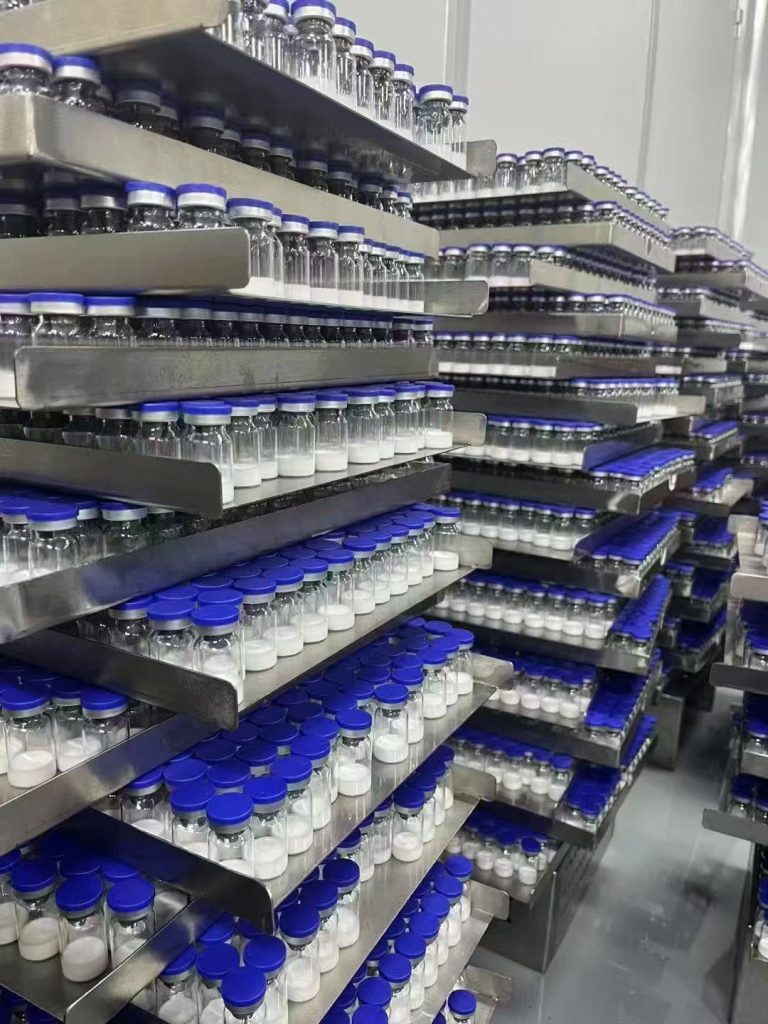
- Typical Research Form: Lyophilized powder
Because KPV may be referenced in different chemical or salt forms, researchers should confirm the exact identity and specifications against the documentation supplied with each batch.

Why Is KPV Studied?
KPV originates from the C-terminal region of α-MSH, a biologically active peptide involved in several signaling processes.
Published preclinical research has investigated KPV in inflammatory models and explored mechanisms involving inflammatory signaling rather than assuming that the tripeptide behaves exactly like full-length α-MSH.
Other experimental literature has expanded interest into areas such as:
- inflammatory signaling;
- epithelial and barrier biology;
- gastrointestinal research models;
- skin and keratinocyte research;
- cellular-response pathways.
The important word here is research.
Much of the evidence surrounding KPV remains preclinical. Findings from cell and animal models should not automatically be translated into established effects in humans.
KPV Reviews vs. KPV Research: Why the Difference Matters
Search for KPV peptide reviews and the picture quickly becomes mixed.
Some online users describe positive personal experiences involving inflammation, skin or gastrointestinal concerns. Other users report little noticeable change.
Negative experiences are also discussed online, including fatigue, headaches, skin reactions and general discomfort.
These anecdotes can generate research questions, but they cannot establish efficacy or safety.
Online products may come from different sources and have different identities, purity levels, storage histories and analytical documentation. Individual circumstances also vary substantially.
For researchers, the more useful question is therefore not:
“Does KPV have good reviews?”
It is:
“What does the experimental evidence demonstrate, and can the material used in my study be analytically verified?”
That distinction matters.
Why a KPV COA Matters
A label saying “KPV” does not, by itself, establish peptide identity or purity.
When comparing a KPV supplier or KPV manufacturer, researchers should look beyond a headline purity percentage.
1. Identity
The supplied material should correspond to the intended Lys-Pro-Val peptide. Analytical methods such as mass spectrometry can support identity verification.
2. HPLC Purity
HPLC can help characterize the relative purity profile of a peptide sample.
However, a “99% HPLC” statement should not be interpreted as answering every question about the material.
3. Batch-Specific Documentation
A useful KPV COA should be associated with the actual production batch whenever possible.
Researchers should check batch identification, analytical methods, reported results and applicable specifications rather than relying solely on a generic purity badge.
4. Storage and Handling
Peptide integrity can be affected by storage and handling conditions. The applicable product specification, COA and SDS should therefore be reviewed before laboratory use.
SUNONE KPV Research Peptide
SUNONE supplies KPV (Lys-Pro-Val) research peptide for qualified laboratory, R&D and biopharmaceutical applications.
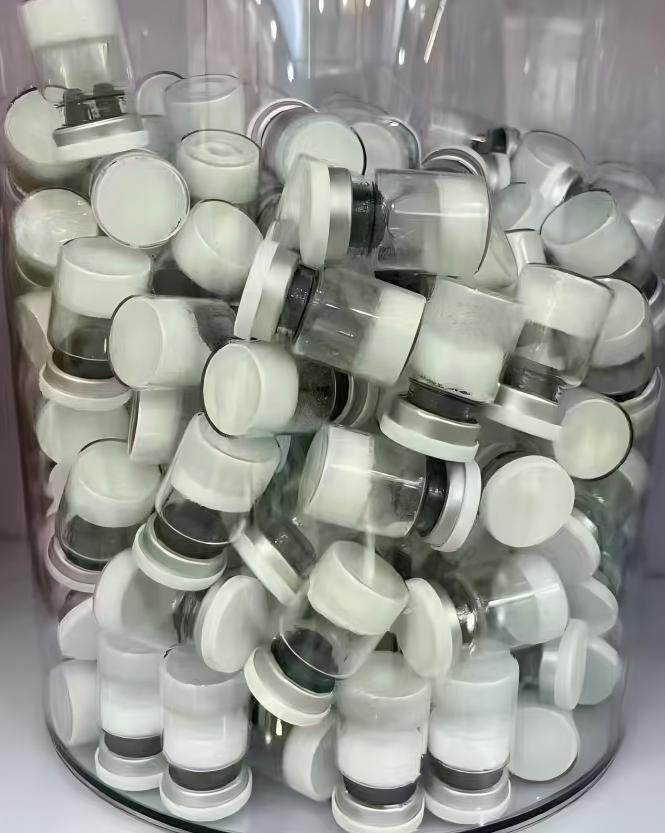
SUNONE KPV is supplied as a lyophilized research material, with product specifications and quality documentation available according to the applicable batch and product requirements.
Researchers and qualified B2B buyers can review the product here:
View SUNONE KPV Research Peptide
When sourcing KPV for controlled research, molecular identity, analytical testing, batch traceability and documentation should be considered alongside nominal purity.
The Bottom Line
KPV is structurally simple but scientifically interesting.
As the three-amino-acid Lys-Pro-Val fragment of α-MSH, it has been investigated in preclinical models involving inflammatory signaling, epithelial biology and related cellular pathways.
At the same time, growing online interest has created a large gap between anecdotal claims and what controlled research actually demonstrates.
For laboratories working with KPV peptide, separating those two categories—and verifying exactly what is in the research material—is essential for meaningful experimental interpretation.
For more information, please click here.
Disclaimer
This article is provided for scientific, educational and laboratory research information only. It does not constitute medical advice and does not establish that KPV is safe or effective for the diagnosis, prevention or treatment of any condition.
SUNONE KPV products are intended for qualified laboratory research and manufacturing applications only. They are not intended for personal use, self-administration, human or veterinary consumption, diagnosis or therapeutic use unless separately registered and authorized under applicable laws and regulations.
Leave a Reply