
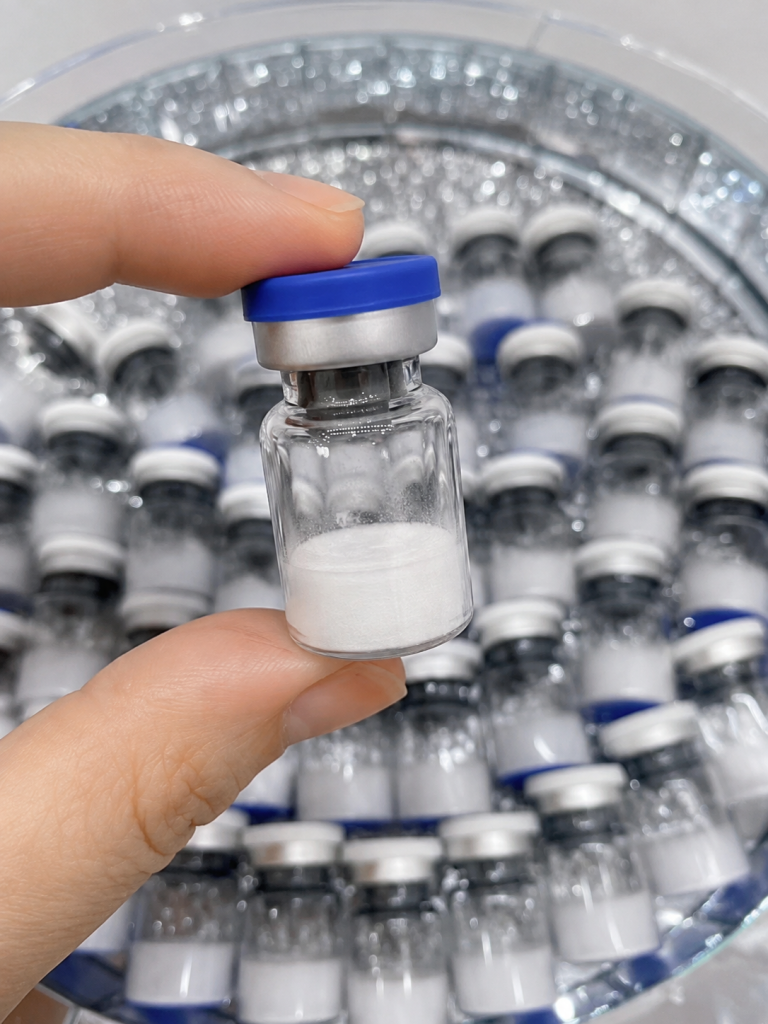
Why Is BPC-157 Called a “Healing Peptide”?
Search for BPC-157 peptide online and one description appears repeatedly:
“Healing peptide.”
It is memorable—but scientifically, it is too simple.
BPC-157 is a synthetic 15-amino-acid peptide investigated across experimental models involving tissue remodeling, vascular signaling, cellular migration and inflammatory pathways.
The interesting research question is therefore not simply whether BPC-157 “heals.”
It is:
Which biological processes have actually been studied, and how strong is the evidence behind them?
BPC-157 at a Glance
Key reference information for BPC-157 research peptide includes:
- Name: BPC-157
- Alternative Names: BPC 157, Bepecin, BPC 15
- CAS Number: 137525-51-0
- Sequence: GEPPPGKPADDAGLV
- Peptide Length: 15 amino acids
- Molecular Formula: C62H98N16O22
- Molecular Weight: approximately 1419.5 g/mol
- Typical Research Form: Lyophilized peptide
These identifiers are particularly important when comparing research materials from different sources.
What Has BPC-157 Actually Been Studied For?
Much of the scientific interest surrounding BPC-157 comes from preclinical research.
Experimental studies have investigated the peptide in models involving tendons, muscle, gastrointestinal tissue, vascular responses and other regenerative processes.
One particularly interesting research area involves vascular signaling.
Studies in animal injury models have examined relationships between BPC-157, VEGF expression and angiogenesis-related processes during tissue repair.
This is why searches for BPC-157 tendon research, BPC-157 VEGF and BPC-157 angiogenesis frequently appear alongside the peptide.
But there is an important distinction:
A biological mechanism observed in an experimental model is not the same as demonstrated clinical efficacy in humans.
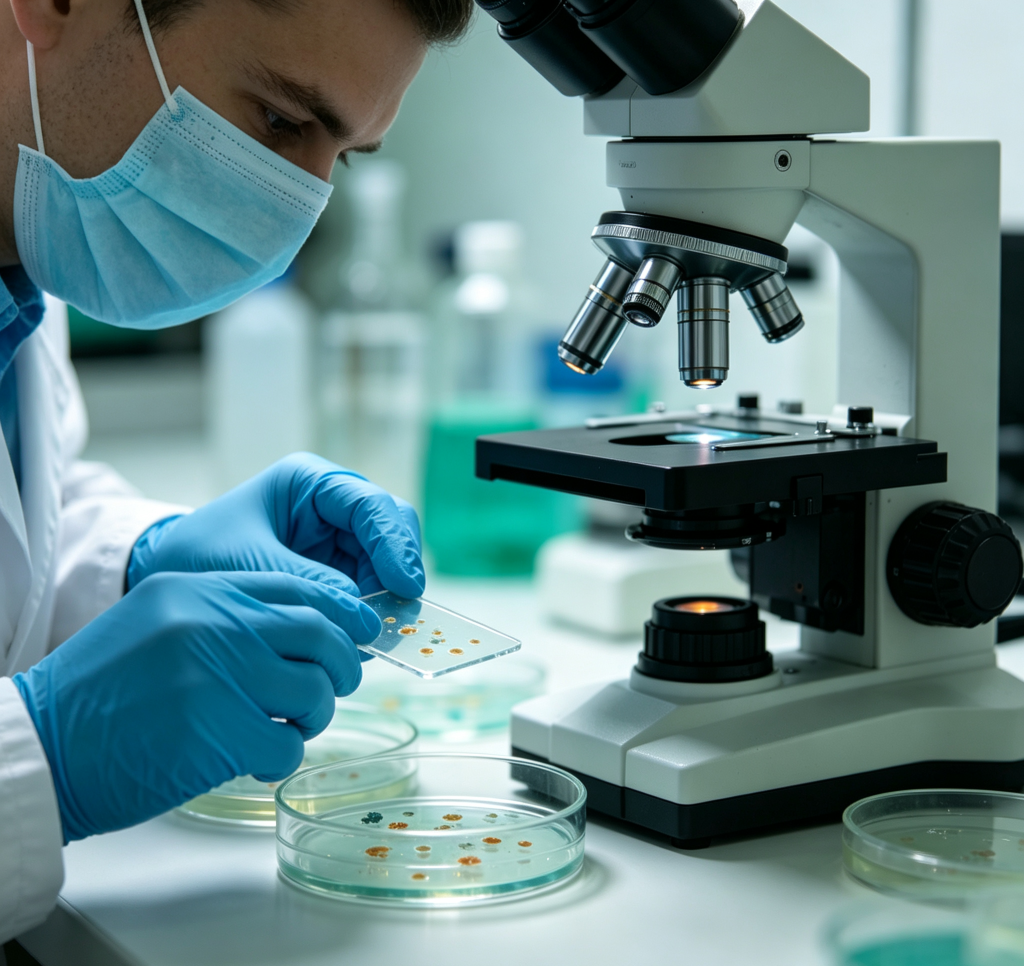
The Evidence Gap: Animal Research vs Human Data
This is where many BPC-157 articles become misleading.
The preclinical literature is much larger than the human evidence base.
A small human pilot study has investigated intravenous BPC-157 safety, but it involved only two participants. Such early data may generate useful research questions, but it cannot establish broad safety or therapeutic efficacy.
As of 2026, BPC-157 remains an investigational compound without an approved therapeutic formulation or established clinical dosing regimen.
For researchers, that evidence gap is important.
Rather than asking:
“Does BPC-157 heal injuries?”
A scientifically stronger question is:
“Which effects have been reproduced in controlled models, and which claims still require adequate human trials?”
What Do Online BPC-157 Reviews Tell Us?
Searches for BPC-157 reviews reveal strikingly different experiences.
Some users describe perceived improvements involving old injuries, discomfort or recovery.
Others report little noticeable benefit.
Negative online experiences include reports of headaches, fatigue, gastrointestinal symptoms, anxiety, brain fog and other unwanted effects.
These stories may be interesting, but they have major scientific limitations.
Researchers generally cannot verify:
- The actual identity of the material
- Peptide purity
- Batch composition
- Storage history
- Other compounds being used
- Individual biological variables
Online BPC-157 reviews therefore cannot establish either efficacy or safety.
Anecdotes can suggest questions. Controlled experiments are needed to answer them.

Why BPC-157 Quality Verification Matters
The popularity of BPC-157 creates another research problem:
A vial labeled “BPC-157” does not by itself establish that the material corresponds to the expected peptide.
When evaluating a BPC-157 supplier or BPC-157 manufacturer, laboratories should consider several layers of verification.
Sequence and Identity
The expected BPC-157 sequence is:
GEPPPGKPADDAGLV
Analytical identity testing can provide evidence that the supplied material corresponds to the intended peptide.
HPLC Purity
HPLC can characterize chromatographic purity and detectable related components.
However, a high HPLC percentage alone should not automatically be treated as complete proof of molecular identity or overall material quality.
Batch-Specific COA
A useful BPC-157 COA should correspond to the actual production lot supplied.
Researchers should be able to connect the vial, lot number and analytical documentation.
Traceability
For repeated laboratory experiments, batch traceability helps determine whether changes in experimental outcomes may be associated with changes in research material.
That can be especially important in a field where online anecdotes frequently involve materials of uncertain origin.
SUNONE BPC-157 Research Peptide
SUNONE supplies BPC-157 research peptide for qualified laboratory, analytical and biopharmaceutical research applications.
SUNONE BPC-157 is supplied as ≥99.6% research-grade lyophilized material, with applicable analytical and batch documentation available according to product specifications.
Researchers, biotechnology companies, distributors and qualified B2B customers can review the product here:
View SUNONE BPC-157 Research Peptide
When evaluating research grade BPC-157, laboratories should consider identity, analytical purity, batch-specific documentation, storage requirements and manufacturing traceability together rather than relying on a single headline purity percentage.

Final Thoughts
BPC-157 is a good example of why popular terminology can move faster than scientific evidence.
Calling it a “healing peptide” compresses a complex research field into two words.
The scientific story is more interesting.
BPC-157 has been investigated in experimental models involving tissue remodeling, vascular signaling, VEGF-related pathways and regenerative biology—but the human evidence base remains limited.
For laboratories studying BPC-157 peptide, three questions therefore matter more than online claims:
What does the experimental evidence actually show?
Does the conclusion stay within the limits of that evidence?
Can the identity and quality of the specific research material be verified?
Good peptide research begins by answering all three.
For more information, please click here.
SUNONE BPC-157 research peptide is for qualified labrtorynt, diagnois, druc tor mmatct or veteimant, use.research only, Not for human consumption, clinical treame.
Leave a Reply