
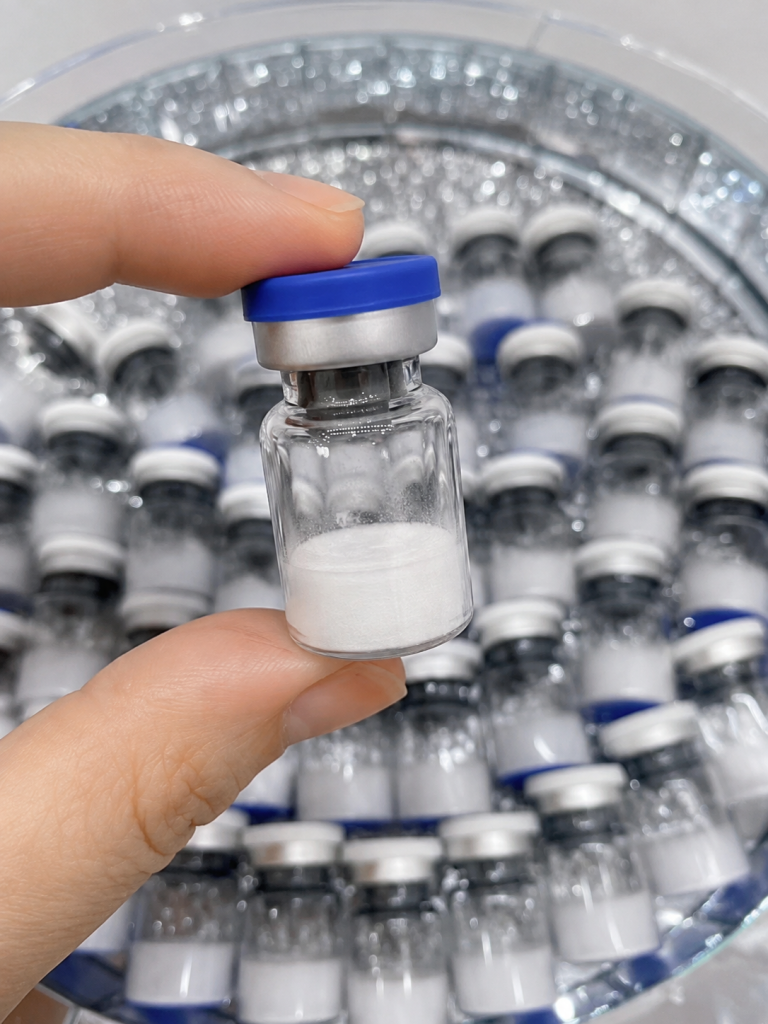
What Is BPC-157?
BPC-157, also known as Body Protection Compound 157, is a synthetic 15-amino-acid peptide widely investigated in preclinical studies involving tissue remodeling, cellular migration, inflammatory signaling and vascular biology.
Its unusual research history and extensive animal-model literature have made BPC-157 peptide research one of the most discussed areas in the research-peptide field.
For qualified laboratory and manufacturing applications, researchers can view the SUNONE BPC-157 Research Peptide product specifications and documentation.
Why Is BPC-157 Studied in Tissue Research?
A large portion of BPC-157 research focuses on biological processes associated with tissue response and recovery.
Preclinical studies have examined BPC-157 in areas including:
- tendon and ligament models;
- muscle and bone research;
- cellular migration;
- angiogenesis and vascular signaling;
- inflammatory pathways;
- gastrointestinal tissue models;
- nitric-oxide-related signaling.
These findings explain why terms such as BPC-157 tissue repair research and BPC-157 tendon research receive considerable online interest.
However, an important distinction remains: most positive findings have been generated in animal or laboratory models, while high-quality human clinical evidence remains very limited.
What Do BPC-157 Reviews Say?
Online BPC-157 reviews are highly mixed.
Some users report perceived improvements in joint comfort, recovery or long-standing musculoskeletal complaints. These positive experiences have contributed significantly to the peptide’s popularity online.
Other users report little or no noticeable benefit. Negative discussions also include subjective experiences such as fatigue, emotional changes or unexpected reactions.
There are also growing concerns about exaggerated success stories and the reliability of products sold through unverified sources.
For researchers, these testimonials are useful only for understanding public interest. They should not be treated as clinical evidence of safety or efficacy.

What Should Researchers Look for in a BPC-157 Supplier?
When selecting a BPC-157 supplier, analytical quality is more important than promotional claims.
Researchers should consider:
Peptide identity
The material should match the expected BPC-157 sequence and chemical specifications.
Batch-specific purity data
Analytical testing such as HPLC can help characterize the purity of the peptide batch.
Certificate of Analysis
A lot-specific BPC-157 COA improves traceability and allows laboratories to evaluate analytical results.
Documentation and handling information
SDS and specification documents help laboratories establish appropriate research handling procedures.
SUNONE supplies BPC-157 research peptide, CAS 137525-51-0, with supporting documentation available for qualified B2B research and manufacturing customers.
BPC-157 Research: Evidence Matters More Than Hype
BPC-157 is a good example of why research peptides should be evaluated through evidence rather than online popularity.
Preclinical data make the peptide scientifically interesting for tissue remodeling, inflammatory signaling and regenerative-biology research. At the same time, the lack of robust randomized human clinical trials means claims about human healing, injury recovery or therapeutic effectiveness remain unconfirmed.
For professional laboratories, well-characterized raw material, reliable analytical documentation and transparent batch information are therefore essential.
SUNONE BPC-157 research peptide is for qualified labrtorynt, diagnois, druc tor mmatct or veteimant, use.research only, Not for human consumption, clinical treame.
Leave a Reply