
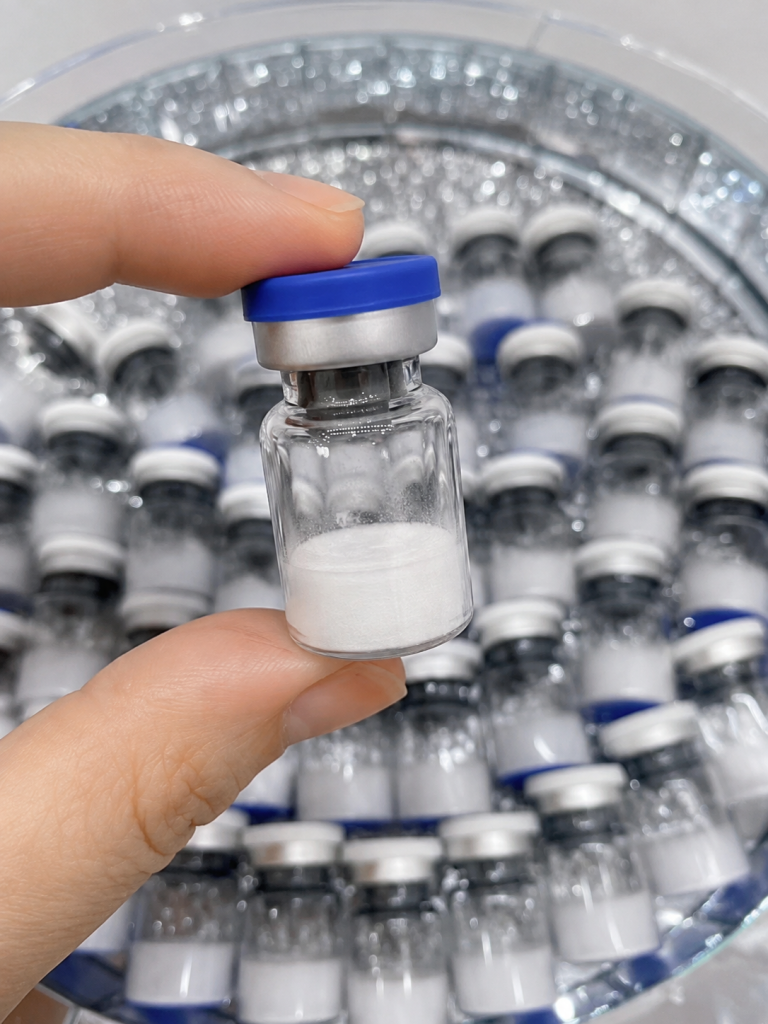
What Is HGH Fragment 176-191?
HGH Fragment 176-191 is a synthetic peptide corresponding to the C-terminal region of human growth hormone.
Rather than containing the complete 191-amino-acid human growth hormone sequence, HGH Fragment 176-191 isolates only a short C-terminal section for laboratory investigation.
This makes the peptide useful for researchers studying growth-hormone structure–function relationships, peptide biochemistry and metabolic signaling.
For analytical specifications, visit:
Why Is HGH Fragment 176-191 Studied?
Research interest in HGH Frag 176-191 originates largely from investigations into which regions of growth hormone contribute to different biological activities.
Experimental research involving growth-hormone-derived fragments has explored areas such as:
- lipid metabolism;
- lipolysis and lipogenesis pathways;
- peptide structure–activity relationships;
- metabolic signaling;
- peptide–receptor interactions;
- analytical peptide characterization.
However, researchers should distinguish mechanistic interest from established clinical efficacy.
Much of the evidence surrounding HGH Fragment 176-191 comes from laboratory and animal research rather than robust human clinical trials.
HGH Fragment 176-191 vs. AOD-9604
A common source of confusion in online content is the relationship between HGH Fragment 176-191 and AOD-9604.
They are related growth-hormone-derived peptides, but they are not identical molecules.
AOD-9604 was developed as a modified analog based on the C-terminal region of human growth hormone and went on to receive substantially more clinical investigation.
For this reason, results from AOD-9604 studies should not automatically be presented as direct clinical evidence for unmodified HGH Fragment 176-191.
This distinction is especially important when evaluating claims about fat loss, metabolic effects or human safety.
What Do HGH Fragment 176-191 Reviews Say?
Online HGH Fragment 176-191 reviews are highly mixed.
Some users describe perceived changes in body composition or weight during periods when they were using the compound.
Others report:
- little or no noticeable effect;
- difficulty separating results from diet and exercise;
- results that appeared subtle;
- disappointment compared with expectations.
Many online reports also involve additional peptides or metabolic products, making it impossible to attribute an outcome specifically to HGH Fragment 176-191.
These reviews are anecdotal and should not be interpreted as evidence of clinical efficacy or safety.
What Should Researchers Check When Sourcing HGH Fragment 176-191?
When evaluating an HGH Fragment 176-191 supplier, laboratories should focus on analytical quality rather than promotional claims.
Correct Molecular Identity
The material should match the expected HGH 176-191 fragment rather than a related analog.
HPLC Purity
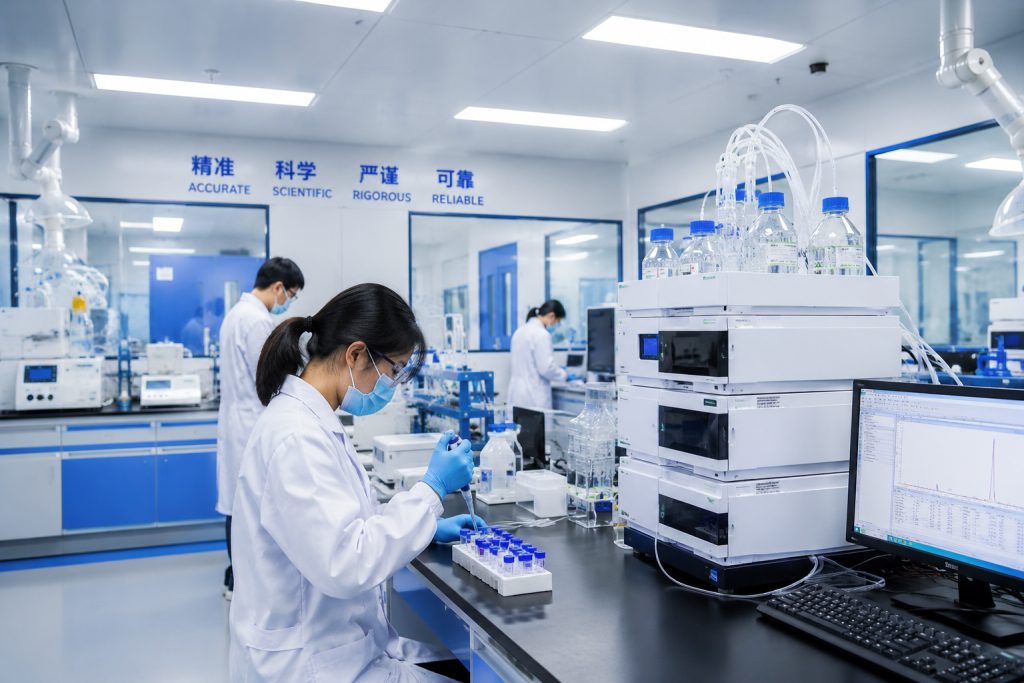
Batch-specific chromatography allows researchers to evaluate peptide purity and related impurities.
Mass Characterization
Mass-spectrometry data can help confirm the expected molecular identity.
Certificate of Analysis
A lot-specific HGH Fragment 176-191 COA supports traceability and analytical review.
Storage and Documentation
Appropriate SDS, specifications and batch-specific storage information should be available.
SUNONE supplies HGH Fragment 176-191, CAS 66004-57-7, as ≥98% HPLC lyophilized research material for qualified laboratories and B2B customers.
Research Value Beyond the “Fat-Burning Peptide” Label
Much of the online content about HGH Fragment 176-191 reduces the molecule to the phrase “fat-burning peptide.”
For researchers, a more useful perspective is its role as a tool for studying how specific regions of human growth hormone contribute to molecular and metabolic activity.
The limited direct human evidence also makes it particularly important to separate:
preclinical research, related-peptide data, online testimonials and proven clinical outcomes.
For professional laboratory work, accurate peptide identity, HPLC purity, mass confirmation and batch-specific documentation remain more meaningful than consumer marketing claims.
SUNONE HGH Fragment 176-191 research peptide is for qualified labrtorynt, diagnois, druc tor mmatct or veteimant, use.research only, Not for human consumption, clinical treame.
Leave a Reply