
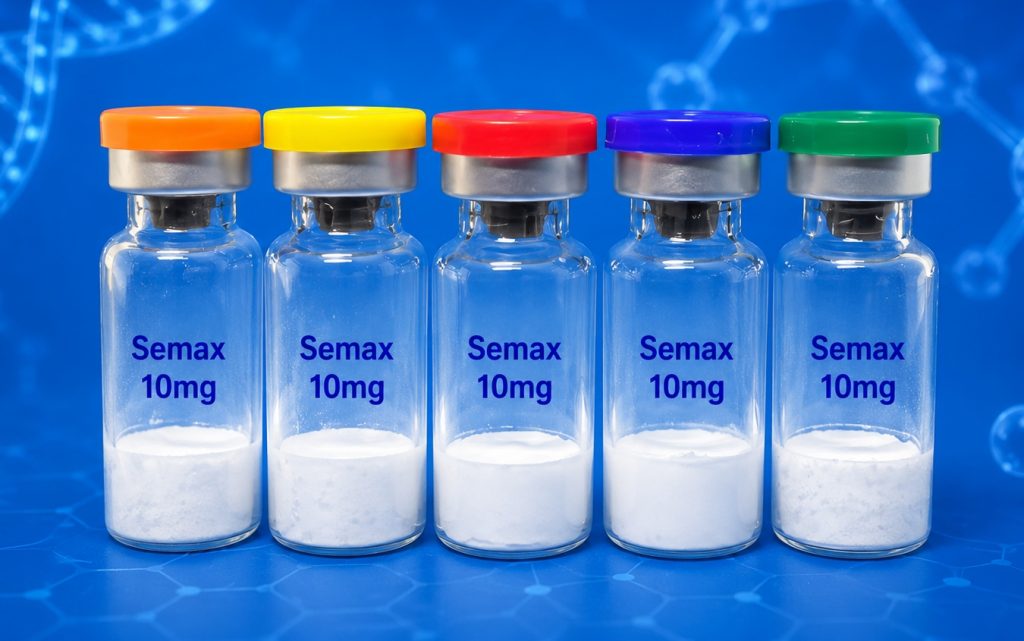
Neuropeptide research has become an important area in modern biotechnology and molecular neuroscience.
Among synthetic peptides, Semax peptide has attracted attention because of its unique structure and relationship with ACTH-derived peptide research.
Researchers searching for:
- Semax peptide
- Semax research peptide
- Semax supplier
- Semax CAS 80714-61-0
- ACTH fragment peptide
- neuropeptide research compound
are increasingly interested in understanding its molecular characteristics and research applications.
What Is Semax Peptide?
Semax is a synthetic heptapeptide associated with ACTH fragment research.
Basic information:
- Product Name: Semax
- CAS Number: 80714-61-0
- Sequence: Met-Glu-His-Phe-Pro-Gly-Pro (MEHFPGP)
- Category: Synthetic neuropeptide
- Research Area: Neurobiology and peptide signaling research
- Form: Lyophilized powder
SUNONE provides Semax research peptide for qualified scientific research and biotechnology applications.
Product page:
Understanding Semax Research Applications
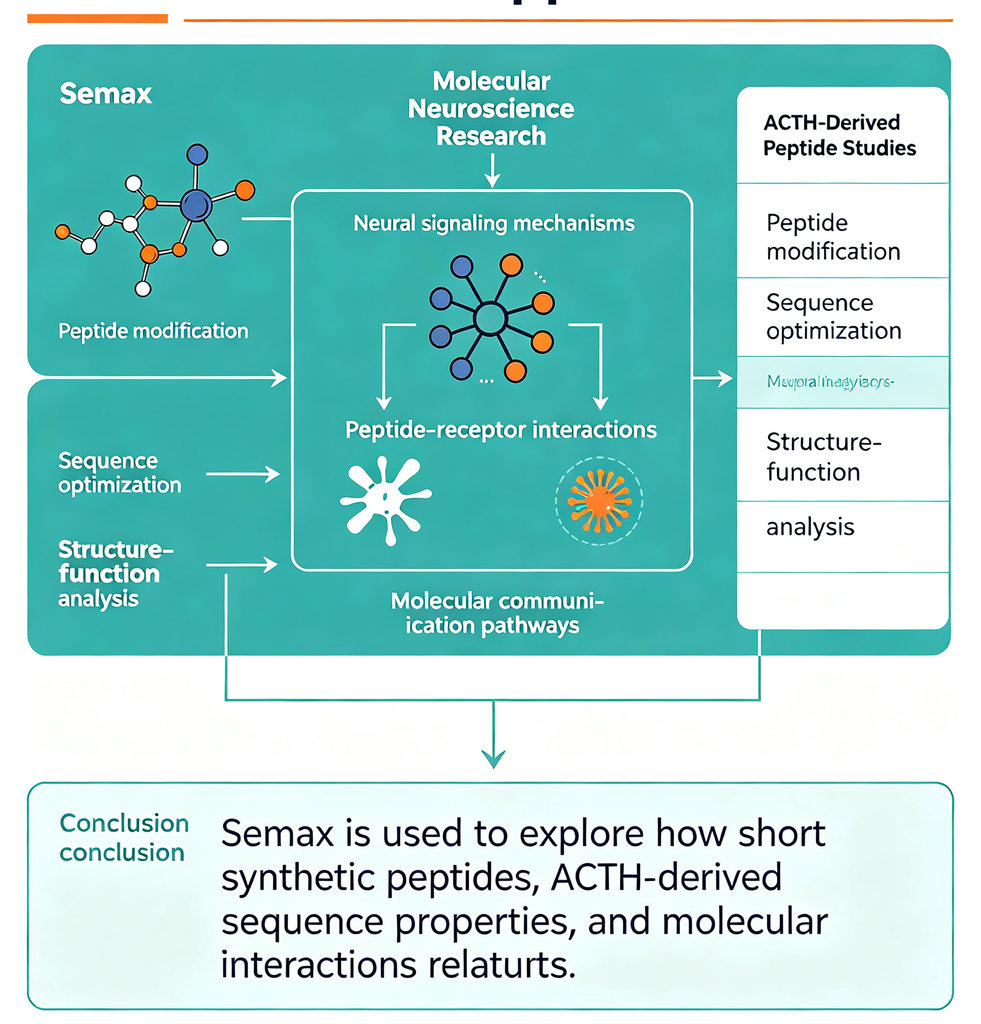
The scientific interest in Semax focuses on peptide structure and molecular signaling.
Neuropeptide Biology Research
Researchers investigate Semax in relation to:
- peptide signaling pathways;
- molecular interactions;
- neurobiology research models.
ACTH Fragment Studies
Because of its relationship with ACTH fragment sequences, Semax is used as a research model for studying:
- peptide modification;
- structure-function relationships;
- synthetic peptide design.
Molecular Neuroscience Research
Short neuroactive peptides provide researchers with tools to explore:
- cellular communication;
- signaling mechanisms;
- peptide-based research strategies.
Semax Reviews: What Are Researchers Discussing Online?
Online discussions about Semax include scientific interest and cautious evaluation.
Positive Discussions
Researchers are interested in Semax because of:
- clearly defined peptide sequence;
- established research history;
- value in neuropeptide studies.
Professional research buyers usually evaluate:
- HPLC purity;
- COA documentation;
- peptide identity;
- supplier reliability.
Negative Discussions
Common concerns include:
- exaggerated commercial descriptions;
- confusion between research compounds and consumer products;
- differences in supplier quality.
Scientific research materials should always be evaluated through:
- peer-reviewed research;
- analytical verification;
- reliable documentation.
How to Choose a Reliable Semax Peptide Supplier?
For biotechnology companies and laboratories, supplier quality is essential.
When sourcing Semax research peptide, researchers should consider:
1. Analytical Testing
Important quality information includes:
- HPLC purity analysis;
- peptide identification;
- batch testing.
2. Documentation Support
Professional suppliers should provide:
- Certificate of Analysis (COA);
- Specification Sheet;
- Safety Data Sheet (SDS).
3. Research-Grade Manufacturing
A reliable Semax supplier should maintain:
- transparent specifications;
- traceable batches;
- consistent quality control.
SUNONE provides Semax peptide with research-focused quality documentation for qualified customers.
Future Directions of Semax Research
Neuropeptide research continues to develop within molecular biology.
Future Semax studies may continue exploring:
- peptide signaling mechanisms;
- ACTH fragment biology;
- neuropeptide interactions;
- molecular neuroscience pathways.
For laboratories sourcing high-quality Semax peptide, analytical verification and supplier transparency remain essential.

Conclusion
Semax peptide represents an interesting research compound in neuropeptide science.
Its unique heptapeptide structure and relationship with ACTH fragment research make it a valuable tool for laboratories studying peptide biology and molecular signaling.
For organizations searching for a reliable Semax peptide supplier, purity, documentation and product traceability are key considerations.
Learn more about SUNONE Semax:
Disclaimer:
This content is provided for scientific and educational purposes only. SUNONE research peptide is for qualified labrtorynt, diagnois, druc tor mmatct or veteimant, use.research only, Not for human consumption, clinical treame. Purchasers are responsible for complying with applicable laws and regulations in their jurisdiction.
Leave a Reply