
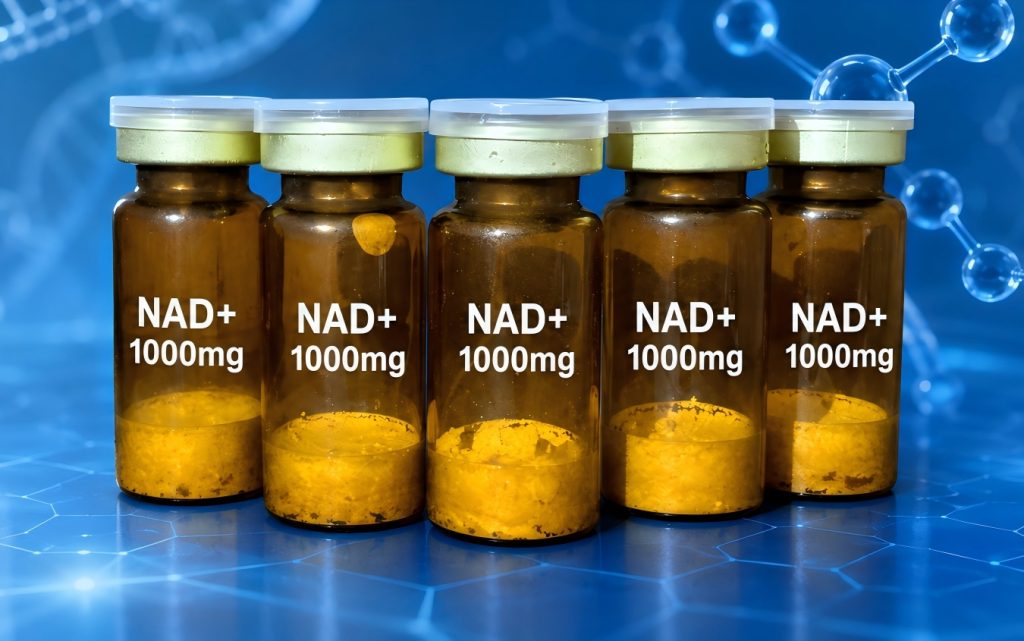
NAD+ Is Everywhere. That Does Not Mean Every Claim Is Proven.
Few molecules have moved from biochemistry textbooks into mainstream wellness marketing as quickly as NAD+.
Today, NAD+ is discussed in relation to longevity, energy, mitochondrial function and healthy aging.
But for laboratories, biotechnology companies and research organizations, the most useful question is not:
“Is NAD+ the next anti-aging breakthrough?”
It is:
“What does NAD+ actually do biologically, and how well is the research material characterized?”
What Is NAD+?
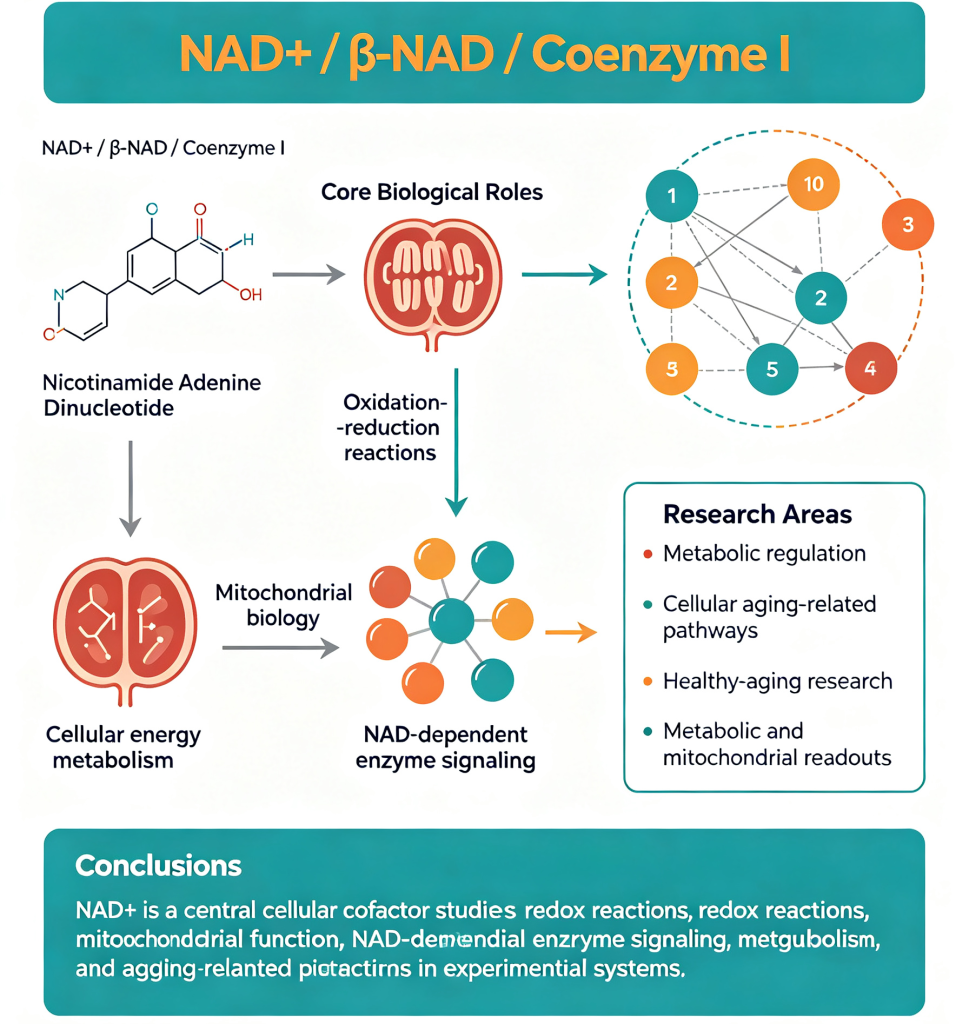
NAD+, or Nicotinamide Adenine Dinucleotide, is an essential cellular cofactor involved in redox reactions and energy metabolism.
It is also known as beta-NAD, Coenzyme I, NAD(+) and DPN+.
Scientific research involving NAD+ includes:
- cellular energy metabolism;
- mitochondrial biology;
- oxidation-reduction reactions;
- NAD-dependent enzyme signaling;
- metabolic regulation;
- cellular aging-related pathways.
That broad biological role explains why NAD+ research compounds have become increasingly important across metabolism, mitochondrial and healthy-aging research.
Why Has NAD+ Research Become So Popular?
One major reason is its central role in cellular bioenergetics.
NAD+ participates in biochemical reactions that help transfer electrons during cellular metabolism and also acts as a substrate for enzymes involved in signaling and regulation.
Recent reviews continue to show strong biological interest in NAD+ metabolism.
However, the scientific picture is more nuanced than many wellness headlines suggest.
Human studies of NAD+-boosting strategies show clear changes in NAD-related biomarkers, but functional and clinical outcomes remain inconsistent and highly dependent on the compound, tissue, population and endpoint studied.
That distinction matters.
Biological activity is not the same as proven anti-aging efficacy.
The Positive Story—and the Limitation
Preclinical research has linked NAD+ augmentation with changes in mitochondrial, metabolic, inflammatory and functional pathways.
In human research, precursors such as NR and NMN have repeatedly shown the ability to alter NAD-related metabolites.
But large reviews published in 2025 and 2026 also emphasize important limitations:
- human benefits are variable;
- some endpoints show little or no effect;
- long-term clinical significance remains uncertain;
- direct intravenous NAD+ is less well characterized than its popularity might suggest.
For responsible scientific content, these limitations should be presented alongside the excitement.
Why Research Buyers Should Focus on Chemical Identity
The rapid growth of the NAD+ market also creates a sourcing challenge.
When selecting a NAD+ supplier, professional buyers should not rely only on a label saying “high purity.”
Useful questions include:
- What is the exact chemical identity?
- What purity specification applies to the batch?
- Is the material beta-NAD or another form/state?
- Is a batch-specific COA available?
- Are the CAS number, molecular formula and molecular weight consistent?
- Are SDS and technical specifications available?
- What storage conditions apply to the supplied material?
For NAD+, this is particularly important because protonation, salt and hydration states may differ between materials.
Identity and purity should always be verified against the batch-specific documentation.
SUNONE NAD+ Research Compound
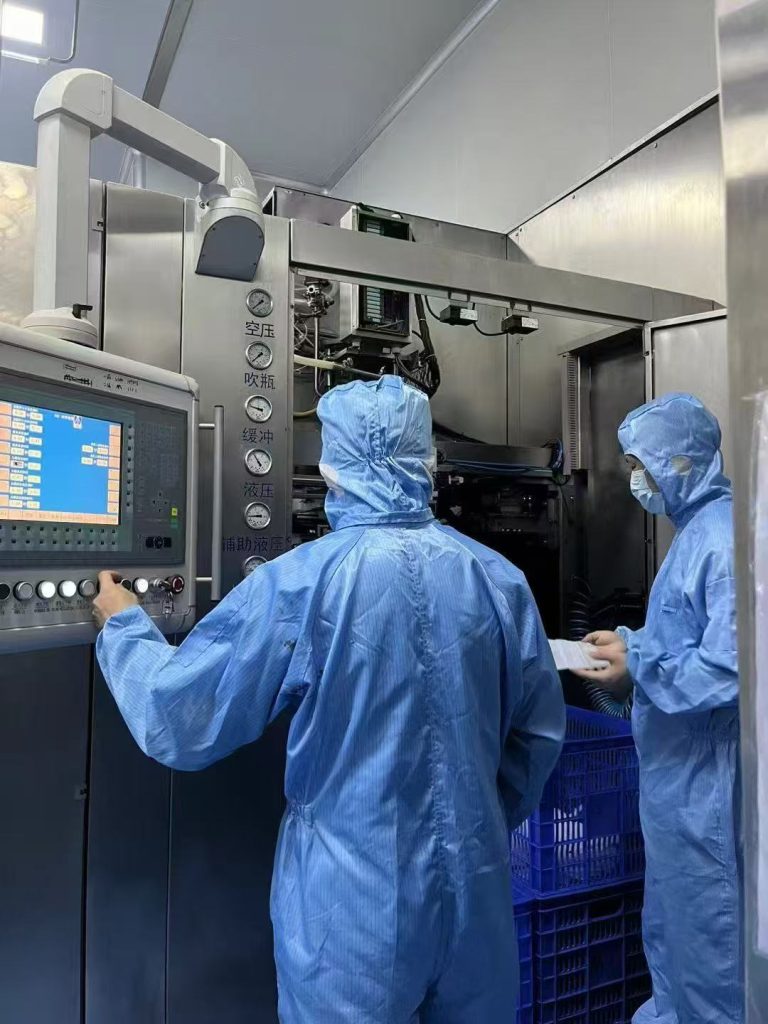
SUNONE supplies NAD+ (Nicotinamide Adenine Dinucleotide) for qualified laboratory and manufacturing applications.
Current product information includes:
- CAS 53-84-9;
- ≥99.7% Research Grade;
- solid/powder format;
- 100 mg, 500 mg and 1000 mg options;
- Certificate of Analysis;
- Safety Data Sheet;
- Specification Sheet;
- B2B quotation support.
View SUNONE NAD+ Research Grade Material:
Need NAD+ for a Research or Manufacturing Program?
For laboratories, biotechnology companies and research distributors, sourcing involves more than finding a popular molecule.
Your procurement team may need:
- current batch documentation;
- purity specifications;
- chemical identity data;
- packaging information;
- MOQ details;
- repeat-batch supply;
- quotation and lead-time support.
If your organization is evaluating high-purity NAD+, research-grade Nicotinamide Adenine Dinucleotide, or related metabolic research materials, contact SUNONE for current specifications and commercial information.
Request NAD+ COA, Specifications & Quote:
Conclusion
NAD+ deserves scientific attention because it sits at the center of cellular energy metabolism, redox biology and enzyme signaling.
But its popularity also makes it vulnerable to overstatement.
For serious research buyers, the right question is not whether NAD+ is “trending.”
It is whether the material is supported by:
clear chemical identity, documented purity, batch-specific data and reliable supply.
For research, chemistry matters more than hype.
Disclaimer:This content is provided for scientific and educational purposes only. SUNONE research peptide is for qualified labrtorynt, diagnois, druc tor mmatct or veteimant, use.research only, Not for human consumption, clinical treame. Purchasers are responsible for complying with applicable laws and regulations in their jurisdiction.
Leave a Reply