
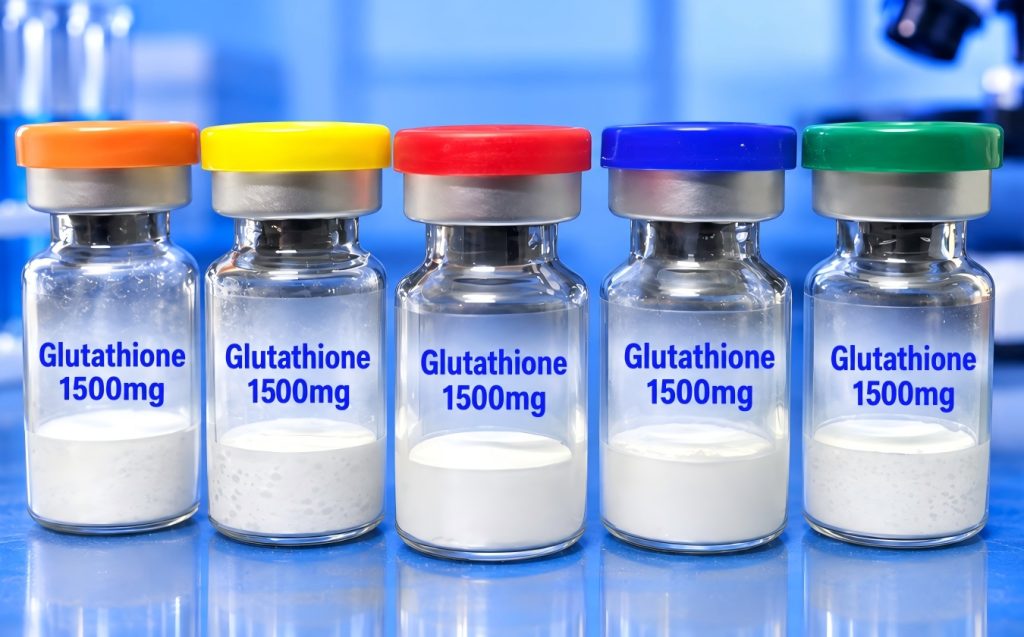
A label can say “99% Glutathione.” That still does not tell a professional buyer everything they need to know.
For B2B laboratories and biotechnology companies sourcing Reduced Glutathione (GSH), purity is important—but so are identity, redox form, impurity control and product grade.
The more useful sourcing question is:
What exactly does this batch specification prove?
What Is Reduced Glutathione?
Reduced Glutathione, or GSH, is a tripeptide composed of glutamate, cysteine and glycine.
Common identifiers include:
CAS: 70-18-8
Molecular Formula: C10H17N3O6S
Molecular Weight: 307.33 g/mol
GSH is widely used in research involving cellular redox balance, oxidative-stress pathways, thiol biology, glutathionylation and GSH/GSSG analysis.
For professional buyers, common search terms include:
Reduced Glutathione supplier, GSH supplier, Glutathione COA, Glutathione HPLC, Glutathione LC-MS and bulk Reduced Glutathione.
Reduced GSH Is Not the Same Analytical Question as GSSG
Glutathione exists primarily in two important redox forms:
GSH — reduced glutathione
and
GSSG — oxidized glutathione disulfide
These forms are analytically and biologically different.
Under oxidative conditions, GSH can be converted to GSSG.
For research applications where redox state matters, simply reporting “glutathione purity” may therefore be incomplete.
Professional buyers may need to ask:
Does the specification confirm Reduced Glutathione—and how is oxidation controlled or monitored?

Why ≥99% HPLC Does Not Define the Entire Grade
An HPLC purity specification provides useful information about chromatographic purity.
It does not independently establish:
- complete molecular identity;
- reduced-versus-oxidized glutathione status;
- endotoxin level;
- microbial quality;
- heavy-metal content;
- residual solvent profile;
- suitability for every downstream application.
This distinction has become especially important in 2026.
Regulators have warned that a glutathione raw material suitable for one category of use may not automatically be suitable for another.
In other words:
Purity and grade are not synonyms.
Endotoxin Risk Shows Why Grade Matters
Recent quality events involving compounded glutathione products have highlighted the importance of raw-material qualification and endotoxin control.
For B2B procurement, this creates an important lesson:
A high HPLC number should never be interpreted as proof of sterility, low endotoxin or suitability for injectable manufacturing.
Those are separate quality attributes requiring appropriate specifications and testing.
What Should a Professional Glutathione COA Tell You?
Depending on the intended research or manufacturing application, buyers may consider reviewing:
Identity
Does the material analytically correspond to Reduced Glutathione?
HPLC purity
What does the chromatogram show beyond the headline percentage?
GSH/GSSG or oxidation-related specification
Where relevant, is the reduced form appropriately characterized?
Impurity controls
Are relevant related substances, residual solvents, metals or other impurities addressed?
Batch traceability
Does the COA correspond to the exact lot being supplied?
Intended grade
Is the supplied material clearly designated for the buyer’s intended research or manufacturing category?
What Do Glutathione Reviews Say?
Online sentiment is mixed.
Positive discussions sometimes describe perceived changes in:
- skin appearance;
- energy;
- fatigue;
- general well-being.
Negative experiences include reports of:
- bruising;
- irritation;
- nausea;
- itching;
- swelling;
- no noticeable effect.
These reports are anecdotal.
Formulation, route, raw-material grade, product source, concurrent substances and individual health conditions are usually unknown.
Online reviews therefore cannot establish the quality, safety or performance of a particular Reduced Glutathione raw material.
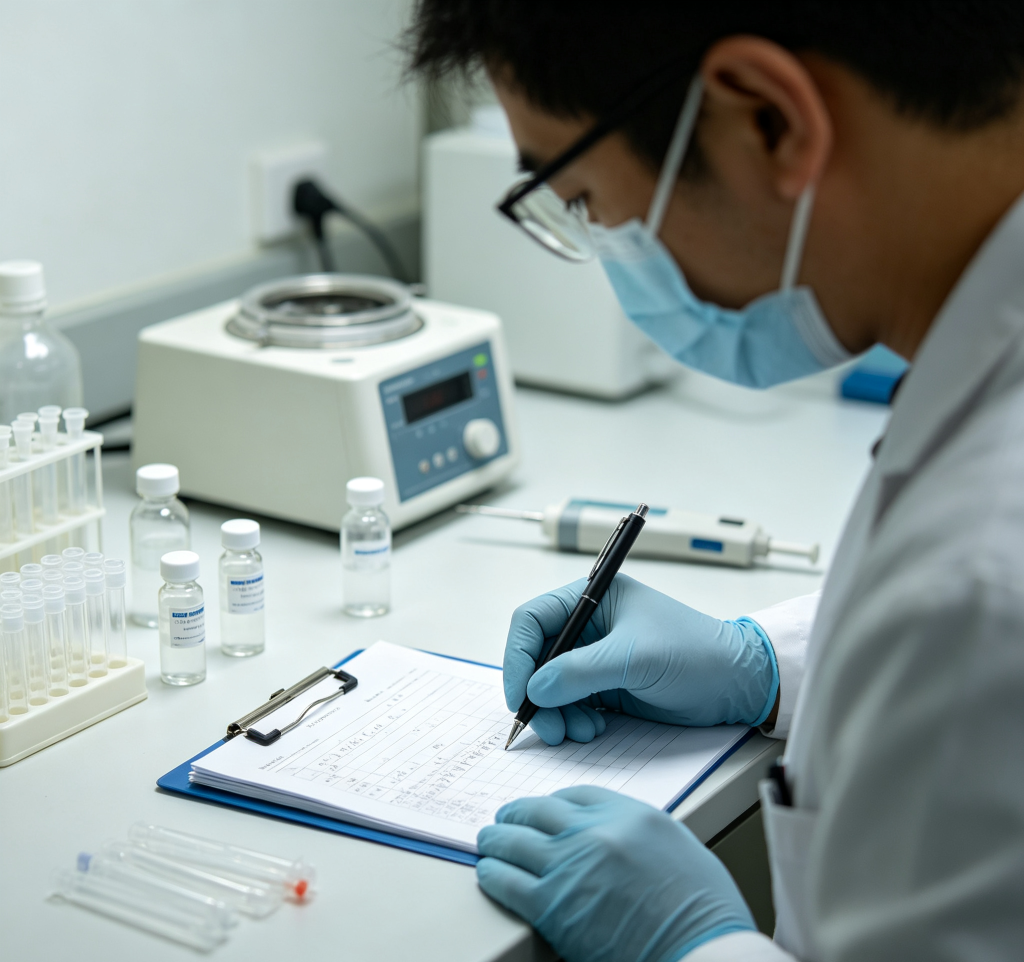
Reduced Glutathione from Sunone
Sunone (Hong Kong) Biopharmaceutical International Technology Co., Limited supplies Reduced Glutathione for qualified laboratory research and biotechnology manufacturing applications.
Current listed product information includes:
Product: Reduced Glutathione
Abbreviation: GSH
CAS: 70-18-8
Molecular Formula: C10H17N3O6S
Molecular Weight: 307.33 g/mol
EC / EINECS: 200-725-4
Purity / Grade: ≥99% HPLC
Form: Lyophilized
Storage: 2–8°C, protected from light
Documentation: Batch-specific COA, SDS and Specification Sheet available
Current B2B formats include:
600 mg × 10 vials
1200 mg × 10 vials
1500 mg × 10 vials
subject to current production requirements and availability.
Looking for a Reduced Glutathione supplier with batch-specific analytical documentation?
View Sunone Reduced Glutathione Specifications :
Send Sunone your required quantity, specification, packaging format, analytical-documentation requirements and OEM/ODM needs for a current B2B quotation.
FAQ
What is Reduced Glutathione?
Reduced Glutathione, abbreviated GSH, is a tripeptide composed of glutamate, cysteine and glycine.
Is GSH the same as GSSG?
No. GSH is the reduced form, while GSSG is the oxidized disulfide form of glutathione.
What is the CAS number of Reduced Glutathione?
Reduced Glutathione is commonly identified as CAS 70-18-8.
Does ≥99% HPLC mean the material is suitable for every application?
No. HPLC purity is only one quality attribute. Product grade, identity, oxidation status, contaminants and other specifications may also matter depending on the intended application.
Does HPLC purity prove low endotoxin?
No. Endotoxin testing is a separate analytical and quality-control question.
What should B2B buyers request from a Glutathione supplier?
Depending on the intended application, buyers may consider requesting a batch-specific COA, HPLC data, appropriate identity testing, GSH/GSSG-related information where relevant, impurity specifications, SDS and lot traceability.
This content is provided for scientific and educational purposes only. SUNONE research peptide is for qualified labrtorynt, diagnois, druc tor mmatct or veteimant, use.research only, Not for human consumption, clinical treame. Purchasers are responsible for complying with applicable laws and regulations in their jurisdiction.
Leave a Reply