
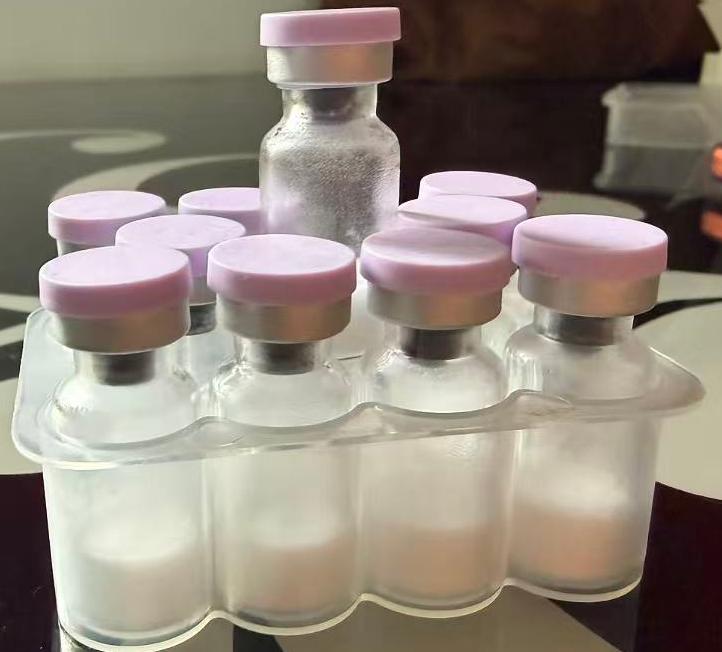
HCG is sometimes grouped together with research peptides.
From an analytical perspective, however, Human Chorionic Gonadotropin (hCG) is much more complex than a simple synthetic peptide.
HCG is a glycoprotein hormone composed of two glycosylated subunits. Its biological activity, glycosylation pattern and batch characterization all matter when researchers evaluate HCG material.
For laboratories sourcing HCG research material, this makes molecular identity more complicated than checking a single molecular-weight number.
What Is HCG?
Human Chorionic Gonadotropin, commonly abbreviated HCG or hCG, is a heterodimeric glycoprotein hormone.
Key identifiers include:
- Name: Human Chorionic Gonadotropin
- Abbreviation: HCG / hCG
- CAS: 9002-61-3
- Structure: Glycosylated alpha/beta heterodimer
- Research category: Glycoprotein hormone and reproductive-biology research
- Typical research form: Lyophilized material
Unlike a small synthetic peptide with one precise molecular formula, HCG contains carbohydrate structures that contribute to molecular heterogeneity.
Why Do Alpha and Beta Subunits Matter?
HCG contains an alpha subunit and beta subunit associated non-covalently.
The alpha subunit belongs to the same glycoprotein-hormone family shared with LH, FSH and TSH.
The beta subunit contributes much of the specificity that distinguishes HCG.
This helps explain why researchers frequently encounter terms such as:
HCG alpha subunit, HCG beta subunit, HCG vs LH and LHCGR signaling.
For analytical work, the intact heterodimer and its individual components should not automatically be treated as equivalent materials.
Why Glycosylation Makes HCG Different
HCG is heavily glycosylated.
That means carbohydrate structures are attached to the protein portion of the molecule.
Different glycosylation patterns can produce different HCG glycoforms, and this is one reason assigning one exact molecular weight to every HCG preparation can be misleading.
For laboratories, glycosylation creates an important distinction:
sequence identity alone does not completely describe a glycoprotein hormone.
Protein structure, carbohydrate composition and biological activity may all be relevant to characterization.
Why Is HCG Often Specified in IU?
HCG products are commonly described using International Units (IU) rather than only milligrams.
That is because biological activity is an important part of HCG characterization.
A vial marked “5000 IU” therefore communicates something different from a simple mass-based specification such as “5 mg.”
For researchers, several measurements should remain conceptually separate:
protein amount, chromatographic purity, molecular characterization and biological activity are not identical measurements.
HPLC Purity Does Not Tell the Whole Story
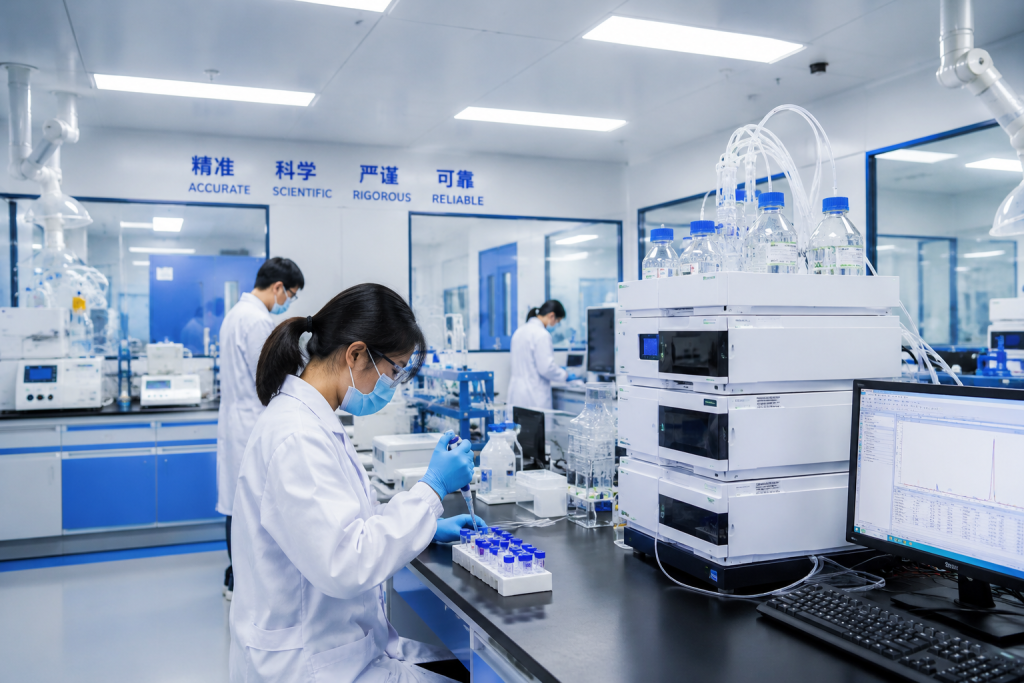
HPLC can provide useful information about purity and related components.
But a single HPLC percentage does not completely characterize a heterogeneous glycoprotein.
Depending on the research application, additional information may include:
- electrophoretic characterization,
- protein identity testing,
- glycoprotein-related analytical methods,
- biological activity or potency assays,
- batch-specific specifications.
This is why HCG COA and batch documentation are particularly important when comparing research suppliers.

Can a Pregnancy Test Verify Research HCG?
Consumer pregnancy tests are designed to detect HCG within a particular diagnostic context.
They are not comprehensive analytical assays for characterizing research raw material.
A positive result does not establish:
- purity,
- glycoform composition,
- biological potency,
- batch consistency, or
- absence of contaminants.
Likewise, an unexpected negative result may be affected by concentration, assay design or other analytical limitations.
For qualified laboratories, consumer test strips cannot replace validated analytical methods and batch documentation.
What Do Online HCG Reviews Tell Us?
Public HCG reviews include both positive and negative experiences.
Some users discuss fertility-related outcomes or perceived hormonal changes.
Others describe unwanted effects, hormonal fluctuations or little noticeable benefit.
These experiences generally concern clinical or self-administered HCG products—not research-grade raw material.
They therefore cannot establish the identity, purity or biological activity of a laboratory HCG batch.
What Should Researchers Check When Sourcing HCG?
1. Exact Material Identity
Documentation should clearly identify the material as Human Chorionic Gonadotropin, CAS 9002-61-3.
2. Activity Specification
When HCG is supplied in IU, researchers should understand what activity or potency specification applies to the particular batch.
3. Appropriate Analytical Characterization
For a glycoprotein hormone, characterization may require more than one analytical measurement.
Purity, protein identity and biological activity answer different questions.
4. Batch-Specific COA
An HCG Certificate of Analysis should correspond to the production lot actually supplied.
This improves traceability when research is repeated across batches.
Sunone HCG Research Material
Sunone (Hong Kong) Biopharmaceutical International Technology Co., Limited supplies Human Chorionic Gonadotropin for qualified laboratory, analytical and manufacturing applications.
Current Sunone product information includes:
- Human Chorionic Gonadotropin / HCG / hCG
- CAS 9002-61-3
- Glycoprotein hormone research material
- Lyophilized format
- 2000 IU × 10-vial configuration
- 5000 IU × 10-vial configuration
- Batch-specific Certificate of Analysis
- Safety Data Sheet
- Product specification documentation
- Storage at 2–8°C protected from light
View the Sunone HCG Human Chorionic Gonadotropin research product page for current technical specifications, batch documentation and B2B sourcing information.
For biotechnology companies comparing an HCG supplier, Human Chorionic Gonadotropin manufacturer or HCG bulk supplier, glycoprotein identity, activity specification, appropriate analytical characterization and lot traceability provide a stronger procurement framework than consumer testimonials.

Final Perspective
HCG demonstrates why biologic raw materials cannot always be evaluated like small synthetic peptides.
Its alpha/beta structure, extensive glycosylation and biological activity create additional layers of analytical complexity.
For reproducible research, laboratories should therefore ask:
Is the correct HCG material identified?
How is biological activity specified?
Which analytical methods support the batch?
And does the COA correspond to the material actually supplied?
Those questions provide a more meaningful basis for HCG research procurement than relying on a product name or purity percentage alone.
This content is provided for scientific and educational purposes only. SUNONE research peptide is for qualified labrtorynt, diagnois, druc tor mmatct or veteimant, use.research only, Not for human consumption, clinical treame. Purchasers are responsible for complying with applicable laws and regulations in their jurisdiction.
Leave a Reply