
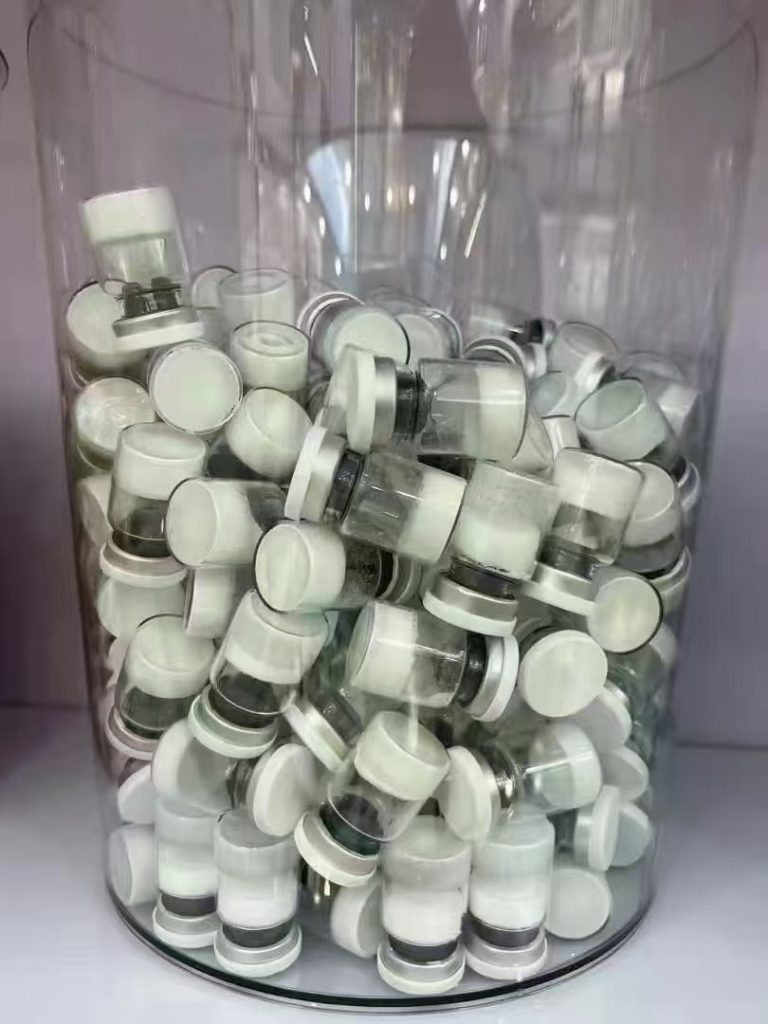
HGH 191AA is often listed beside research peptides.
Scientifically, however, Somatropin is better understood as a recombinant 191-amino-acid protein rather than simply another short peptide.
That difference matters.
For laboratories sourcing recombinant human growth hormone, sequence identity, protein folding, biological activity and batch-specific characterization can all be relevant to experimental reproducibility.
What Is HGH 191AA?
HGH 191AA, also known as Somatropin, Human Growth Hormone, recombinant human growth hormone or rHGH, is a recombinant protein corresponding to the 191-amino-acid form of human growth hormone.
Important molecular identifiers include:
CAS: 12629-01-5
Molecular formula: C990H1528N262O300S7
Molecular weight: approximately 22.1 kDa
Length: 191 amino-acid residues
Research area: Growth hormone receptor and GH/IGF-axis research
The term “191AA” is therefore not simply a marketing designation. It refers directly to the amino-acid length of the protein.
Why 191 Amino Acids Matter
Recombinant Somatropin is designed around the mature 191-amino-acid human growth hormone sequence.
For research laboratories, sequence identity matters because a large recombinant protein cannot be fully characterized by product name alone.
Protein-related research may need to consider:
primary amino-acid sequence, disulfide bonding, higher-order structure, monomer state and related protein variants.
That creates a different analytical challenge from a small synthetic peptide.

HGH 191AA Is More Than a Molecular-Weight Number
A molecular weight near 22 kDa is useful for identifying Somatropin.
But expected molecular weight alone does not establish that a sample has the correct protein structure.
Two materials could potentially produce similar apparent mass measurements while differing in sequence integrity, folding, aggregation or degradation state.
This is why orthogonal analytical methods become particularly useful for recombinant proteins.
HPLC Purity vs Protein Identity
HGH HPLC analysis can provide useful information about chromatographic purity.
However:
purity and identity are not the same measurement.
A high RP-HPLC percentage tells researchers about the chromatographic profile under the selected analytical conditions.
It does not independently prove the complete 191-amino-acid sequence or demonstrate every aspect of higher-order protein structure.
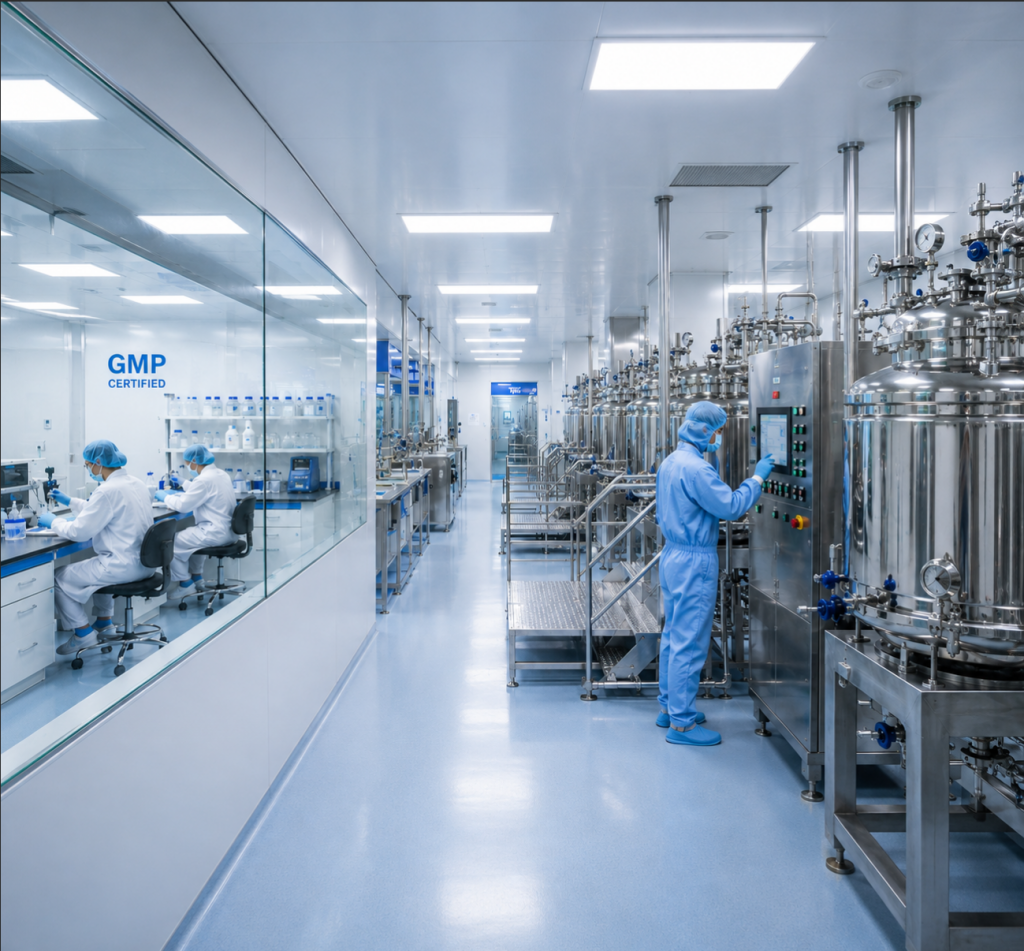
For research-grade Somatropin, laboratories may therefore evaluate multiple analytical attributes.
Why SEC and Mass Spectrometry Can Matter
For a recombinant protein, aggregation can be scientifically relevant.
Size-exclusion chromatography (SEC-HPLC) can help separate monomeric protein from higher-molecular-weight species under appropriate analytical conditions.
Mass spectrometry can provide complementary molecular-identity information.
Peptide mapping after enzymatic digestion may provide another layer of sequence confirmation.
These methods answer different questions and should not be treated as interchangeable.
IU and Milligrams Also Describe Different Things
HGH products are frequently labeled using International Units (IU).
IU describes biological activity according to an applicable reference framework, whereas milligrams describe mass.
Therefore:
HGH IU and HGH mass are related concepts, but they are not analytically identical measurements.
For research procurement, laboratories should determine whether they require mass, biological potency or both.
Why the GH/IGF-1 Axis Is Important
Somatropin interacts with the growth hormone receptor (GHR) and is widely used in research involving growth-hormone signaling and the GH/IGF axis.
Experimental areas commonly include:
growth hormone receptor signaling, JAK/STAT-related signaling, IGF-1 regulation, endocrine pathway research and cellular responses to recombinant growth hormone.
This mechanistic research should be distinguished from consumer claims involving bodybuilding, anti-aging or performance enhancement.
What Do Online Somatropin Reviews Actually Tell Us?
Public Somatropin reviews include both positive and negative experiences.
Some patients receiving approved prescription Somatropin for diagnosed medical conditions report favorable growth or quality-of-life outcomes.
Others report adverse experiences or administration difficulties.
Clinical product labeling also describes effects such as fluid retention, peripheral edema, joint or muscle discomfort and changes in glucose regulation.
These reviews and clinical observations concern regulated therapeutic Somatropin products.
They are not reviews of Sunone HGH 191AA research material and should not be used as evidence of the performance, efficacy or safety of a research batch.
What Should Researchers Check When Sourcing HGH 191AA?
For laboratory procurement, several questions are more informative than a purity percentage alone.
Identity: Does the documentation identify HGH 191AA / Somatropin and the applicable molecular form?
Purity: Which analytical method was used to determine the reported purity?
Protein integrity: Is relevant information available for molecular identity, monomer state or related protein species?
Biological activity: If the product is specified in IU, how is activity represented in the applicable batch documentation?
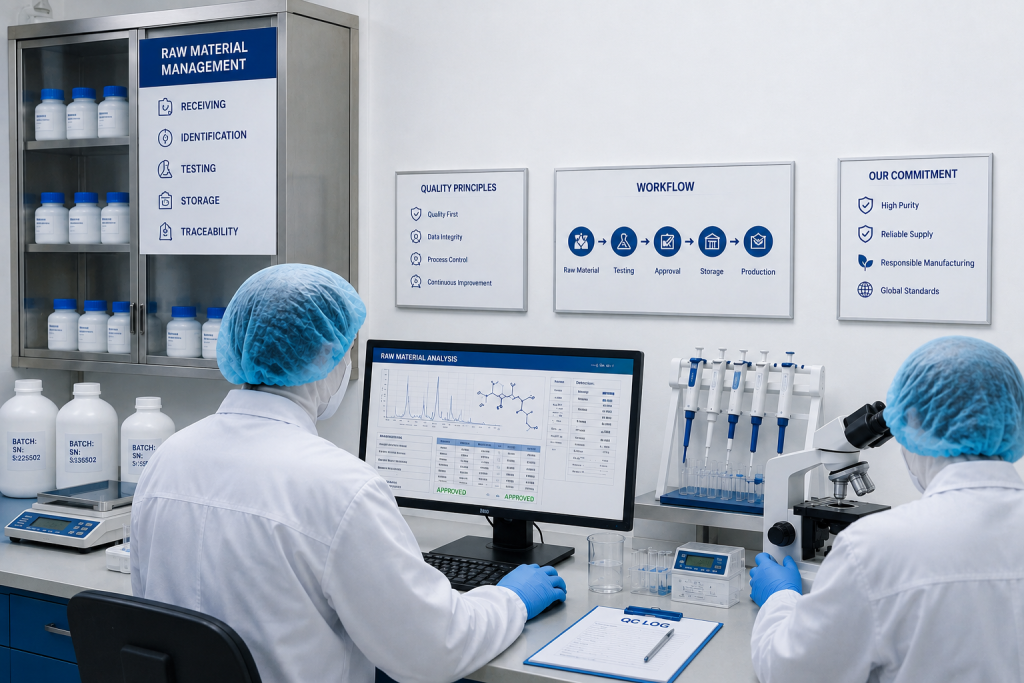
Traceability: Does the Certificate of Analysis correspond to the actual production lot being supplied?
Sunone HGH 191AA Research Protein
Sunone (Hong Kong) Biopharmaceutical International Technology Co., Limited supplies HGH 191AA for qualified laboratory, analytical and biopharmaceutical research and manufacturing applications.
Current Sunone product information includes:
HGH 191AA / Somatropin / recombinant human growth hormone
CAS 12629-01-5
191-amino-acid recombinant protein
Molecular formula C990H1528N262O300S7
Molecular weight approximately 22.1 kDa
≥99.7% Research Grade specification
Lyophilized powder
Multiple IU configurations
Certificate of Analysis
Safety Data Sheet
Product Specification Sheet
Batch-specific documentation
View the Sunone HGH 191AA Somatropin research product page for current product specifications, analytical documentation and B2B sourcing information.
For biotechnology companies comparing an HGH 191AA supplier, Somatropin manufacturer or recombinant human growth hormone research supplier, sequence identity, analytical purity, protein integrity, biological activity and batch traceability provide a more meaningful procurement framework than consumer testimonials.
Final Perspective
HGH 191AA illustrates an important principle in biopharmaceutical research:
a recombinant protein cannot be fully described by one purity percentage.
The 191-amino-acid sequence defines the protein, but researchers may also need to consider structural integrity, related protein species, biological activity and lot-specific analytical data.
For reproducible research, the key questions are:
Is the expected 191-amino-acid protein correctly identified?
How was purity measured?
Has protein integrity been appropriately characterized?
How is biological activity specified?
And does the COA correspond to the supplied batch?
Those questions provide a stronger foundation for HGH 191AA research procurement than relying on the term “HGH” alone.
This content is provided for scientific and educational purposes only. SUNONE research peptide is for qualified labrtorynt, diagnois, druc tor mmatct or veteimant, use.research only, Not for human consumption, clinical treame. Purchasers are responsible for complying with applicable laws and regulations in their jurisdiction.
Leave a Reply