
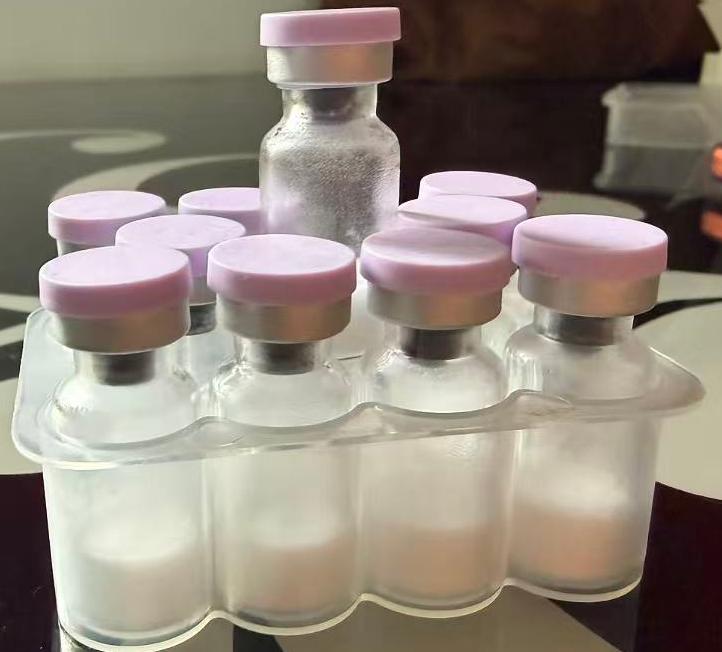
Liraglutide is widely recognized as a GLP-1 analog, but that description does not explain what makes the molecule scientifically distinctive.
One of its most important structural features is fatty-acid acylation.
This modification influences albumin binding, molecular self-association and pharmacokinetic behavior—making Liraglutide an important model for laboratories studying how peptide engineering can change the properties of a naturally occurring signaling peptide.
What Is Liraglutide?
Liraglutide, originally known as NN2211, is a long-acting acylated analog of human glucagon-like peptide-1 (GLP-1).
Key molecular identifiers include:
CAS: 204656-20-2
Synonyms: Liraglutide, NN2211, GLP-1 analog
Molecular formula: C172H265N43O51
Molecular weight: approximately 3751.2 g/mol
Research category: GLP-1 receptor and incretin peptide research
Liraglutide retains approximately 97% amino-acid homology with native human GLP-1 while incorporating structural modifications that substantially change its pharmacokinetic properties.

Why Does Fatty-Acid Acylation Matter?
Native GLP-1 has a relatively short biological lifetime.
Liraglutide was engineered differently.
A C16 fatty-acid moiety is connected through a spacer at Lys26. This structural feature promotes reversible interaction with albumin and contributes to molecular self-association.
For peptide researchers, this creates an important principle:
Peptide sequence alone does not determine peptide behavior.
Chemical modifications can substantially alter stability, protein binding and pharmacokinetic characteristics.
That is why searches for Liraglutide frequently include terms such as Liraglutide acylation, C16 fatty acid, albumin binding, plasma protein binding and peptide half-life.
Liraglutide vs Native GLP-1
Liraglutide remains closely related to human GLP-1, but the two molecules should not be treated as analytically interchangeable.
Native GLP-1 and Liraglutide differ in structural modification, protein-binding behavior and stability.
For laboratory research, those differences can influence experimental design, analytical methods and interpretation of results.
A study using native GLP-1 therefore should not automatically be described as a Liraglutide study.
Liraglutide and Semaglutide Are Also Structurally Different
Another common search is Liraglutide vs Semaglutide.
Both are GLP-1 analogs incorporating fatty-acid-based strategies for prolonged activity, but their molecular engineering is not identical.
Differences in amino-acid substitutions and fatty-acid modifications contribute to different molecular and pharmacokinetic characteristics.
For analytical laboratories, this means identity data, HPLC methods and reference documentation must correspond to the specific GLP-1 analog being studied.
What Do Online Liraglutide Reviews Tell Us?
Public reviews of prescription Liraglutide products are mixed.
Some patients report appetite or weight-related changes, while others describe nausea, vomiting, constipation, fatigue or limited response.
These experiences are relevant to understanding public search interest, but they do not establish the quality or performance of an independently supplied research peptide.
For laboratory procurement, consumer reviews cannot replace analytical data.
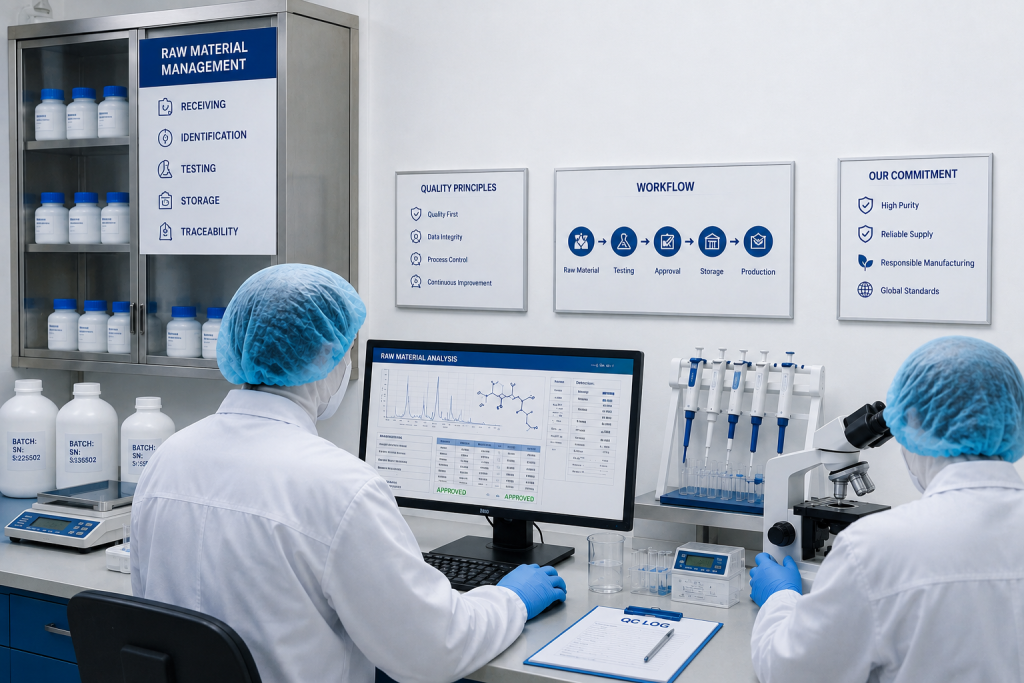
What Should Researchers Check When Sourcing Liraglutide?
Molecular Identity
The supplied material should correspond specifically to Liraglutide, CAS 204656-20-2.
This is especially important when laboratories are comparing multiple GLP-1 analogs.
HPLC Purity
Liraglutide HPLC analysis can provide information about chromatographic purity and peptide-related impurities.
Where possible, researchers should evaluate analytical information associated with the actual production batch.
Mass-Spectrometry Identity
A high HPLC purity percentage does not by itself establish molecular identity.
MS or LC-MS data can provide additional evidence supporting identification of the expected Liraglutide molecule.
Batch-Specific COA
A Liraglutide Certificate of Analysis (COA) should connect analytical results with the supplied production lot.
For B2B procurement and reproducible research, batch traceability is more informative than a generic purity claim.
Sunone Liraglutide Research Peptide
Sunone (Hong Kong) Biopharmaceutical International Technology Co., Limited supplies Liraglutide for qualified laboratory, analytical and biopharmaceutical manufacturing applications.
Current Sunone product information includes:
CAS 204656-20-2
Molecular formula C172H265N43O51
Molecular weight approximately 3751.2 g/mol
≥98% HPLC specification
Lyophilized peptide format
5 mg and 10 mg formats
Batch-specific analytical documentation
HPLC and MS data where applicable
Certificate of Analysis
Safety Data Sheet
OEM/ODM manufacturing support
View the Sunone Liraglutide research peptide product page for current specifications, batch documentation and B2B sourcing information.
For biotechnology companies comparing a Liraglutide supplier, GLP-1 peptide supplier or Liraglutide manufacturer, molecular identity, chromatographic purity, MS verification and batch traceability provide a stronger procurement framework than consumer testimonials.
Final Perspective
Liraglutide illustrates an important concept in modern peptide engineering:
A relatively small chemical modification can substantially change the behavior of a peptide.
Its fatty-acid acylation helps distinguish Liraglutide from native GLP-1 and contributes to the molecular characteristics that have made it an important subject of GLP-1 receptor and peptide-engineering research.
For laboratories, the key questions are therefore not simply whether a material is labeled “GLP-1 analog.”
The more useful questions are:
Is the exact molecule correctly identified? Is purity supported by batch data? Is molecular identity analytically verified? And does the COA correspond to the supplied lot?
Those questions provide a stronger foundation for reproducible Liraglutide research.
This content is provided for scientific and educational purposes only. SUNONE research peptide is for qualified labrtorynt, diagnois, druc tor mmatct or veteimant, use.research only, Not for human consumption, clinical treame. Purchasers are responsible for complying with applicable laws and regulations in their jurisdiction.
Leave a Reply