
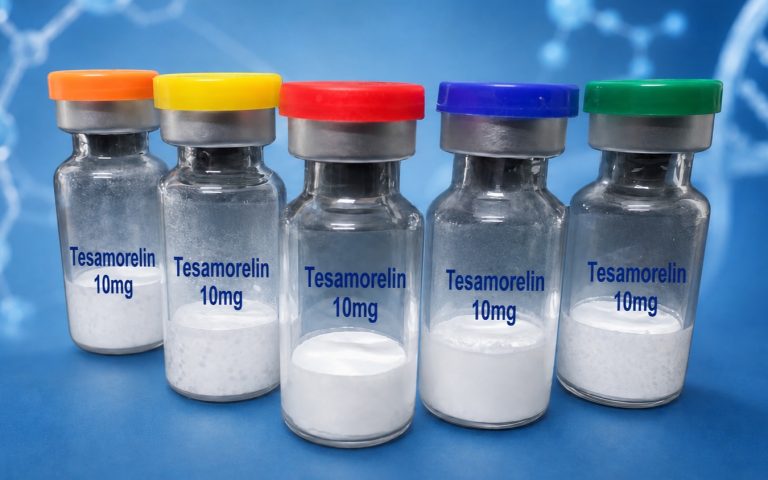
Tesamorelin Research: Why GHRH Receptor Signaling Is Different From the Ghrelin Pathway
What Is Tesamorelin? Tesamorelin, also known as TH9507 or TH-9507, is a synthetic analogue of human growth hormone-releasing…
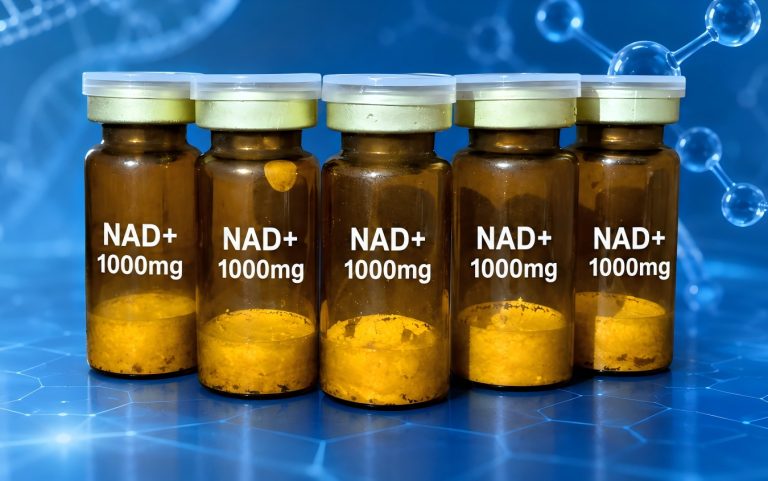
NAD+ Research: Why NAD+, NMN and NR Should Not Be Treated as the Same Molecule
What Is NAD+? NAD+, or Nicotinamide Adenine Dinucleotide, is an essential cellular cofactor involved in hundreds of biochemical…
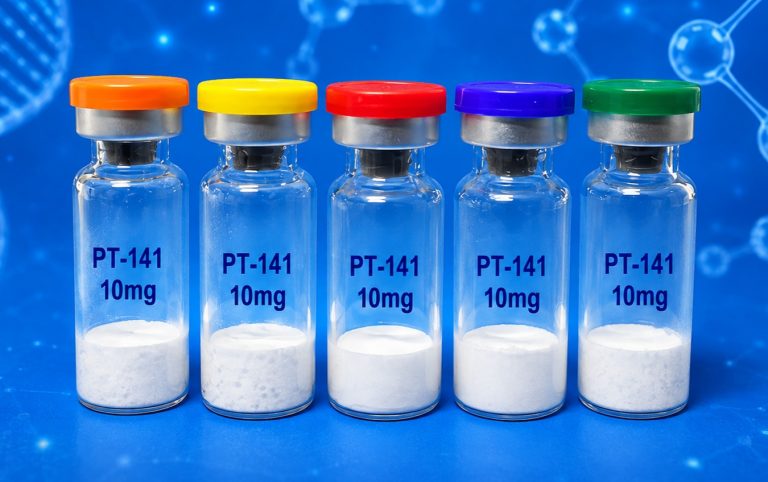
PT-141 Research: Why Melanocortin Signaling Is Different From the PDE5 Pathway
What Is PT-141? PT-141, also known as Bremelanotide, is a synthetic cyclic heptapeptide studied as a melanocortin receptor…

Semax Research: Why ACTH(4–7), PGP and BDNF Signaling Matter Beyond the “Nootropic” Label
What Is Semax? Semax is a synthetic seven-amino-acid peptide derived from the ACTH(4–7) region and extended with a…
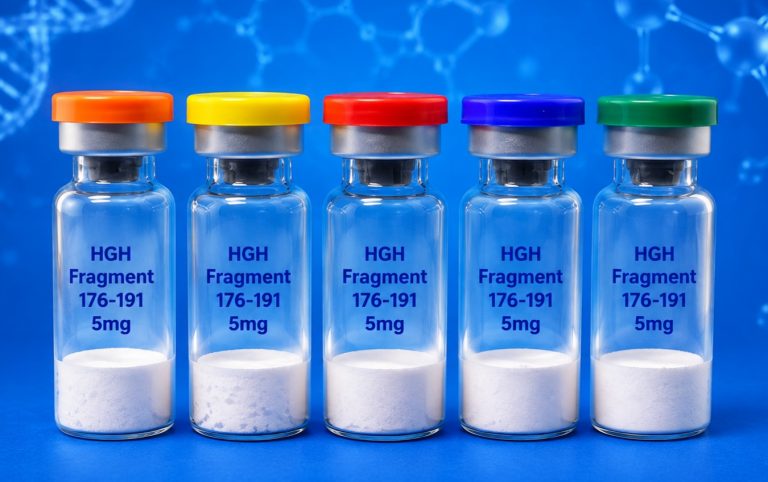
HGH Fragment 176-191 Research: Why It Is Not the Same as AOD-9604 or Full-Length HGH
What Is HGH Fragment 176-191? HGH Fragment 176-191 is a synthetic peptide corresponding to the C-terminal region of…

Selank Research: Why This Heptapeptide Is More Than an “Anxiety Peptide”
What Is Selank Peptide? Selank, also known as Selanc or TP-7, is a synthetic heptapeptide with the amino-acid…
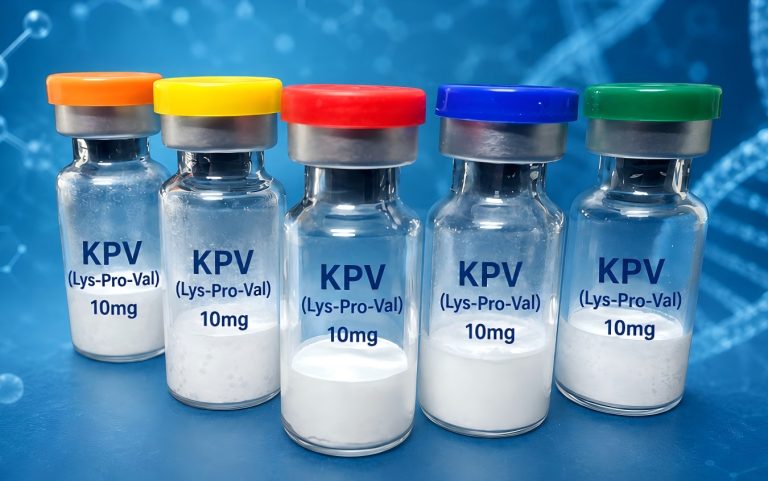
KPV Peptide Research: Why PepT1 Transport Matters Beyond the “Anti-Inflammatory Peptide” Label
What Is KPV Peptide? KPV, short for Lys-Pro-Val, is a three-amino-acid peptide corresponding to residues 11–13 at the…
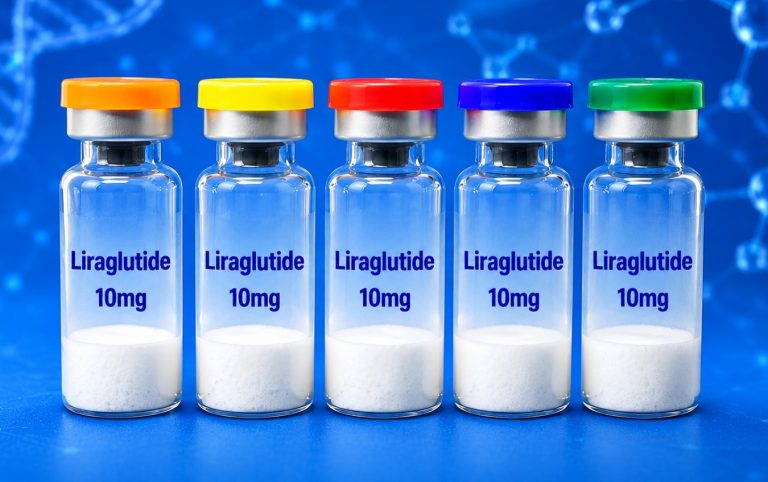
Liraglutide Research: Why Fatty-Acid Acylation Matters Beyond the GLP-1 Label
What Is Liraglutide? Liraglutide, also known as NN2211, is a long-acting acylated analogue of human glucagon-like peptide-1, or…
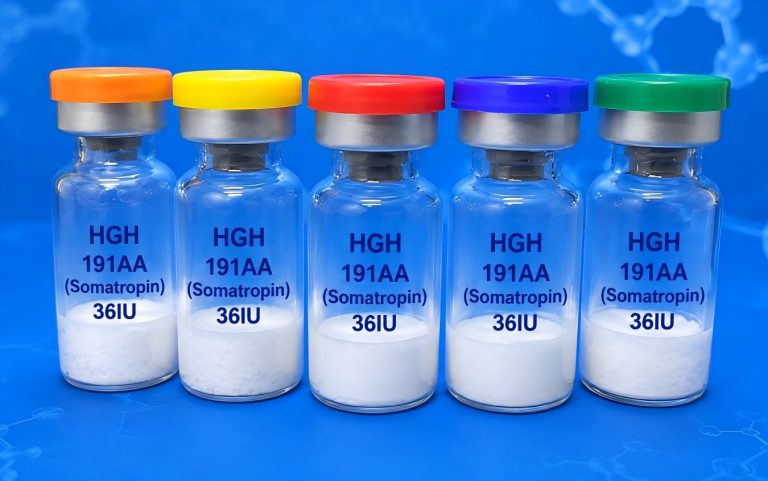
HGH 191AA Research: Why Somatropin Is More Than a “High-Purity Peptide”
What Is HGH 191AA? HGH 191AA, commonly known as Somatropin or recombinant human growth hormone, is a 191-amino-acid…
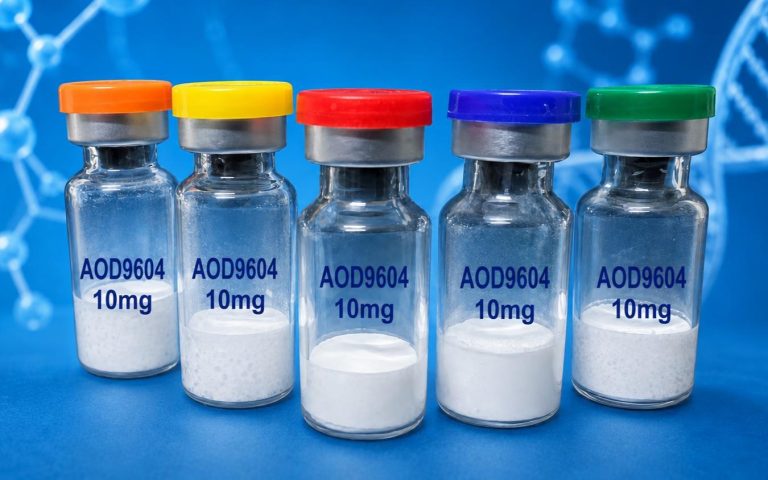
AOD-9604 vs HGH Fragment 176-191: Why Peptide Identity Matters in Research
What Is AOD-9604? AOD-9604 is a synthetic peptide derived from the C-terminal region of human growth hormone. SUNONE…