
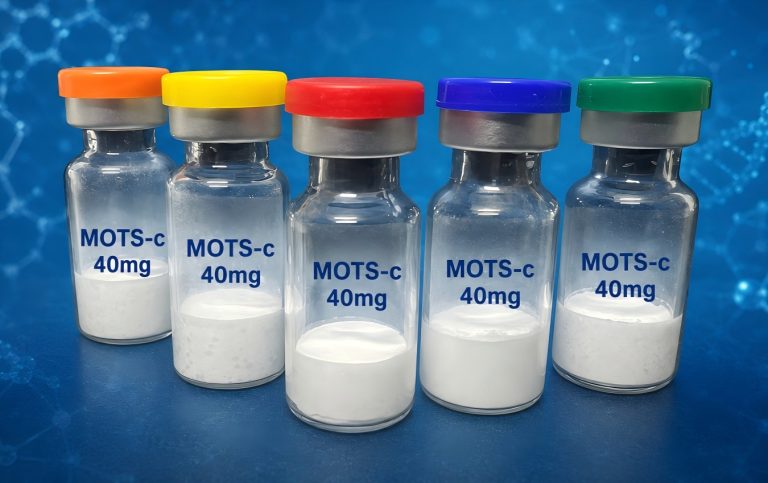
MOTS-c Research: More Than an “Energy Peptide” — Mitochondrial Signaling Explained
What Is MOTS-c? MOTS-c is a mitochondrial-derived peptide encoded within a short open reading frame of mitochondrial 12S…
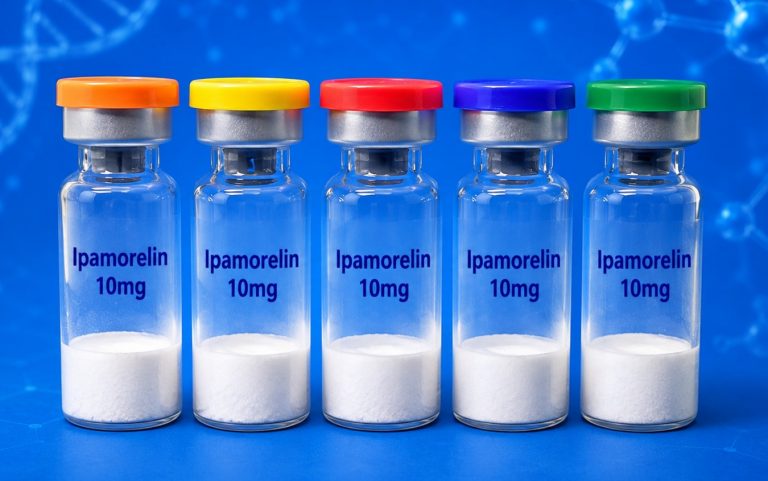
Ipamorelin Research: GHS-R Signaling, Selectivity and Peptide Quality Explained
What Is Ipamorelin? Ipamorelin, also known as NNC-26-0161, is a synthetic pentapeptide studied as a growth hormone secretagogue.…
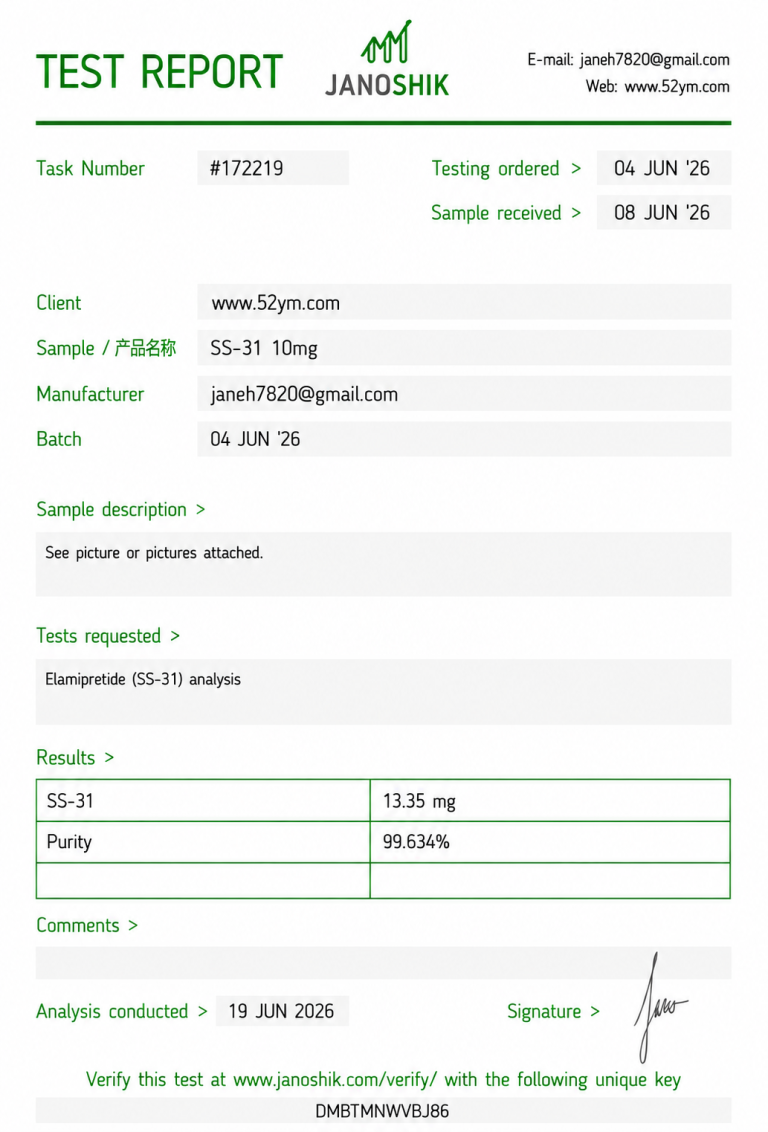
SS-31 10mg Certificate of Analysis (COA)
View the SS-31 10mg Certificate of Analysis (COA) with laboratory testing results, purity analysis, and quality verification information.
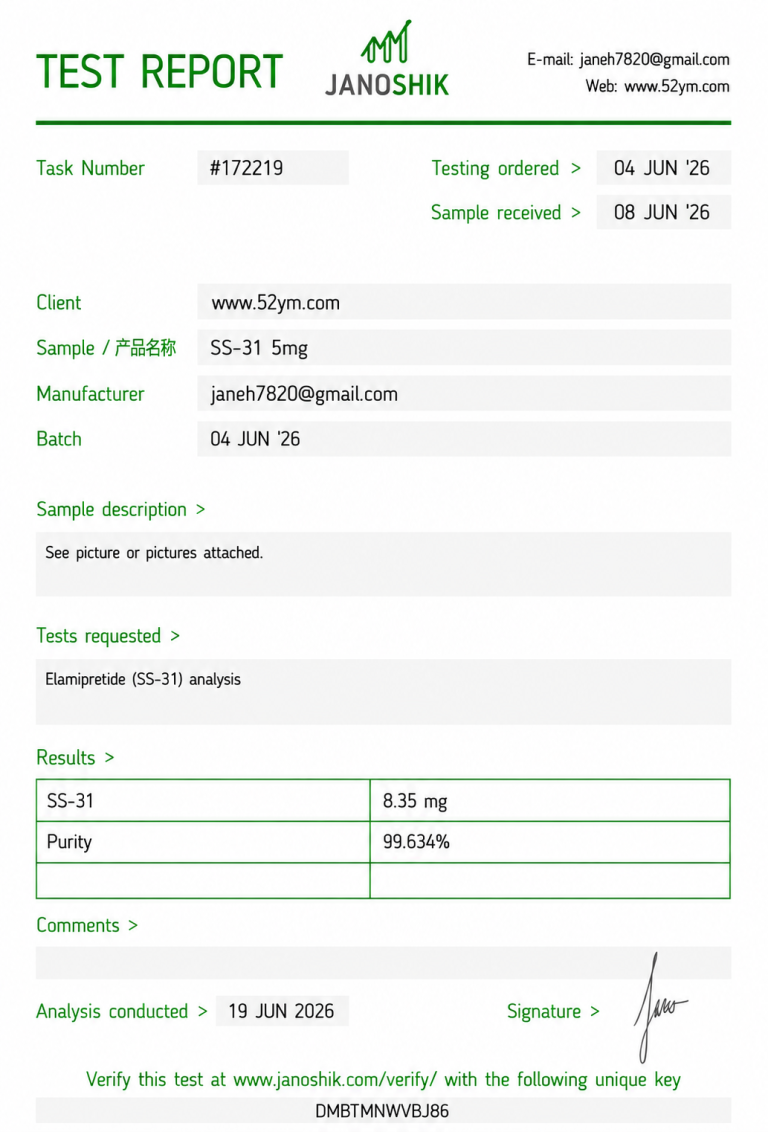
SS-31 5mg Certificate of Analysis (COA)
View the SS-31 5mg Certificate of Analysis (COA) with laboratory test results, purity analysis, and quality verification details…
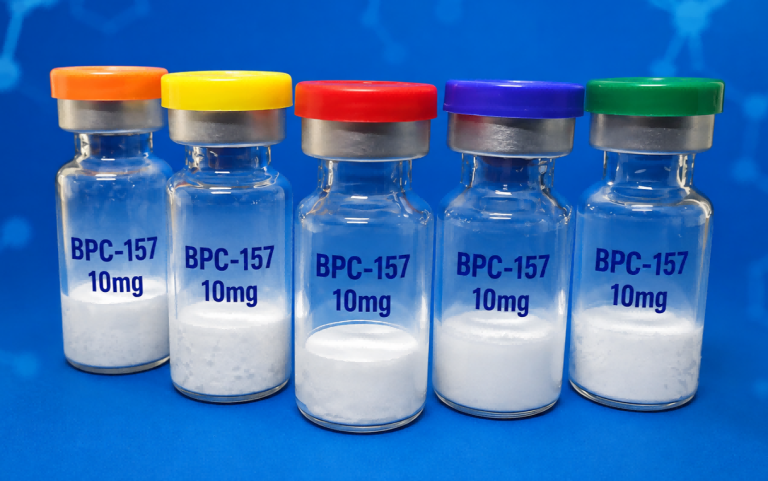
BPC-157 Research: Why Free Base, Acetate Form and Analytical Identity Matter
What Is BPC-157? BPC-157 is a synthetic 15-amino-acid peptide studied primarily in preclinical models involving tissue remodeling, cellular…
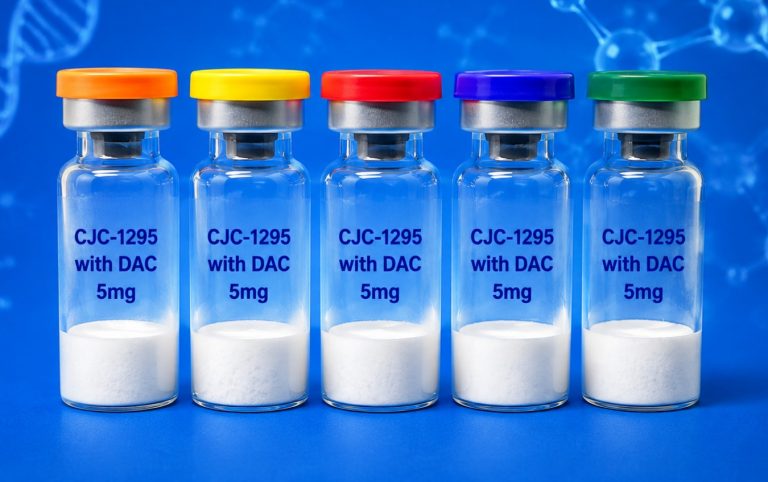
CJC-1295 With DAC Research: Why Molecular Identity Matters More Than the Name
What Is CJC-1295 With DAC? CJC-1295 with DAC is a synthetic long-acting analog of growth hormone-releasing hormone, or…
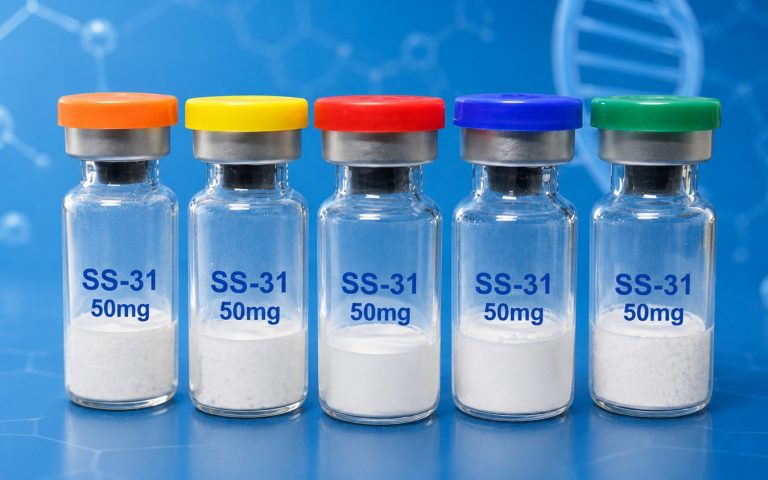
SS-31 (Elamipretide) Specification Sheet
View the SS-31 (Elamipretide) specification sheet, including product information, technical details, quality documentation, storage information, and research-use information.
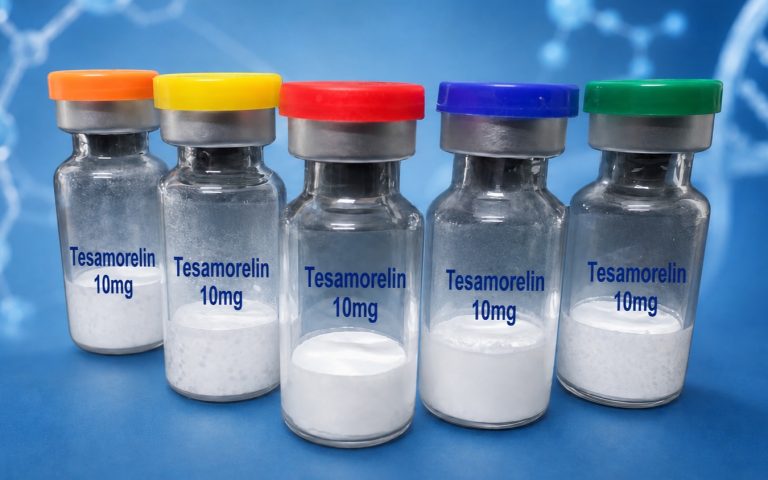
Tesamorelin Research Peptide vs. Prescription Tesamorelin: Why the Difference Matters
What Is Tesamorelin? Tesamorelin, also known as TH9507, is a synthetic analog of growth hormone-releasing hormone (GHRH). It…
SS-31 Safety Data Sheet (SDS)
Download the Safety Data Sheet (SDS) for SS-31, including safety, handling, storage, and product information for research use.
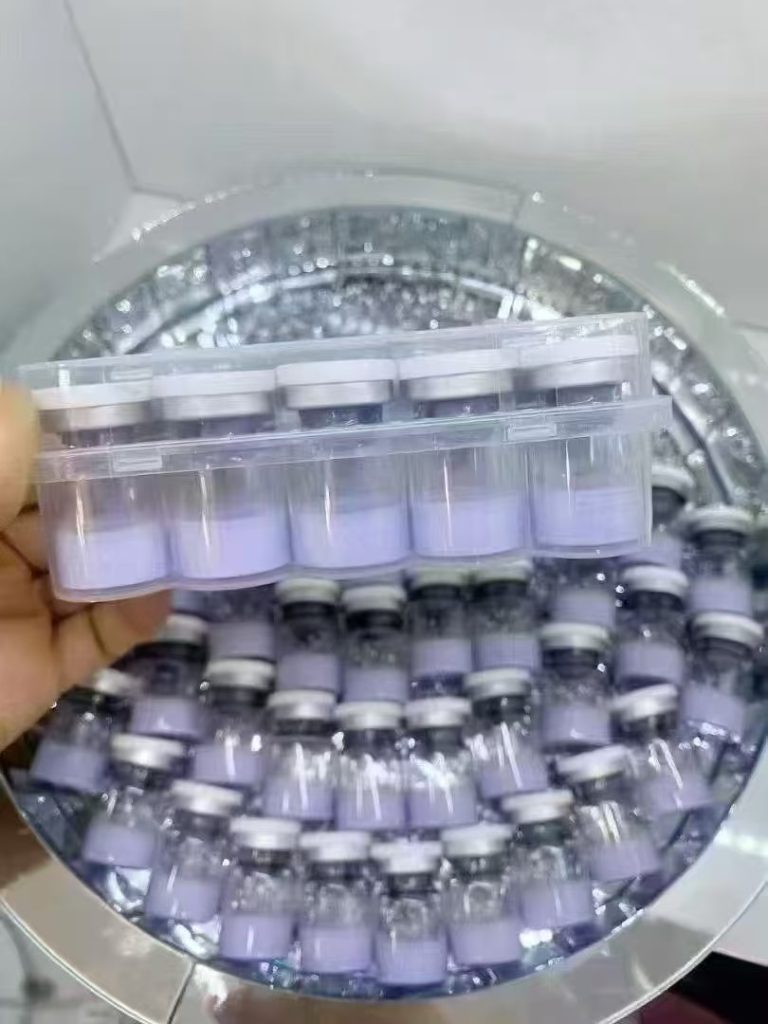
GHK-Cu Research: Why Copper-Complex Identity Matters as Much as Peptide Purity
What Is GHK-Cu? GHK-Cu, also known as Copper Tripeptide-1, is a copper-binding complex formed by the tripeptide Gly-His-Lys…