
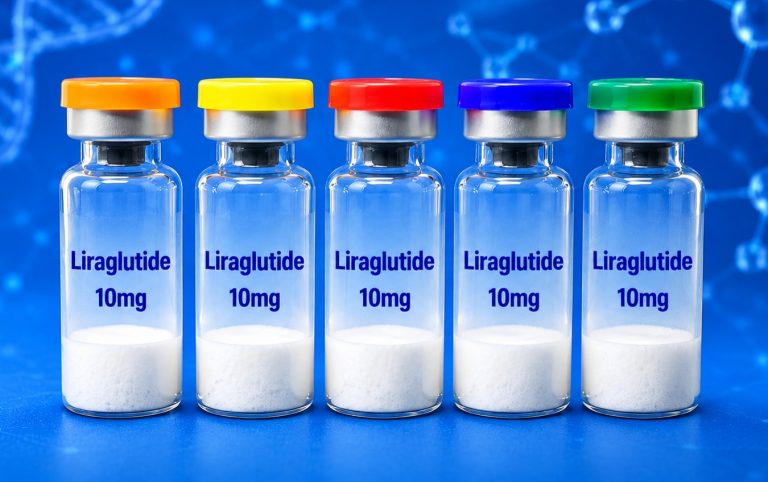
Liraglutide Is More Than a GLP-1 Sequence: Why Acylation Matters in Peptide Sourcing
A peptide can resemble GLP-1 and still not be correctly identified as Liraglutide. For professional research buyers, this…
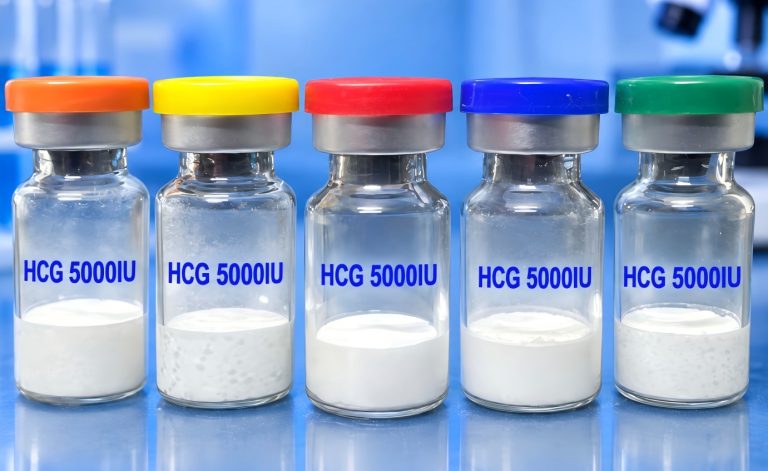
HCG Is a Glycoprotein, Not a Simple Peptide: Why Purity Alone Cannot Define Quality
A vial can say “HCG ≥99%.” For a professional research buyer, that still leaves several important questions unanswered.…
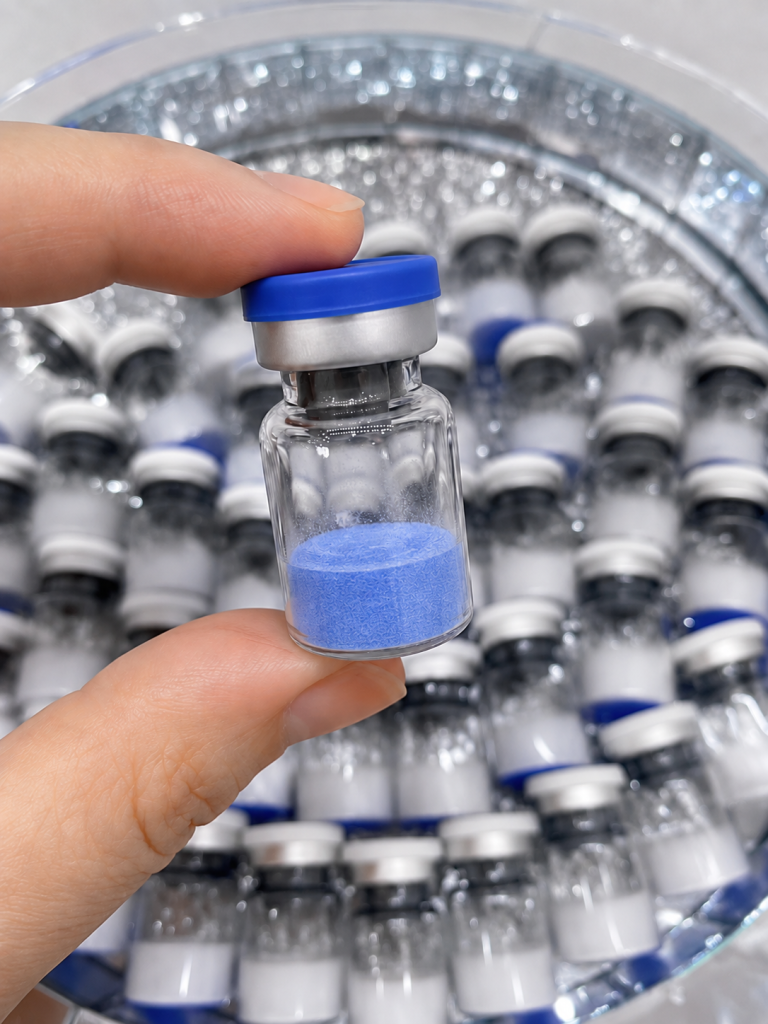
One Vial, Three Peptides: Does a 99% GLOW Blend Really Prove What Is Inside?
A GLOW peptide vial may contain 70 mg of material—but one purity number does not automatically verify three…
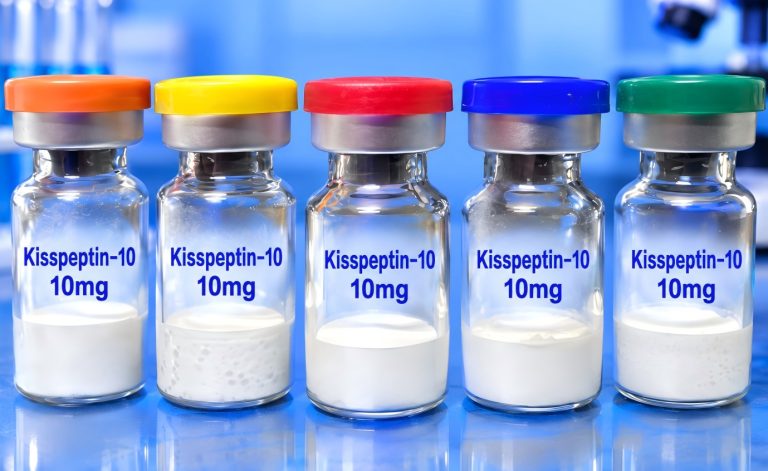
Kisspeptin-10 Is Not Kisspeptin-54: Why Peptide Identity Matters Before You Source KP-10
Search “kisspeptin” online and you will find studies on reproductive hormones, sexual behavior, fertility and neuroendocrine signaling. But…
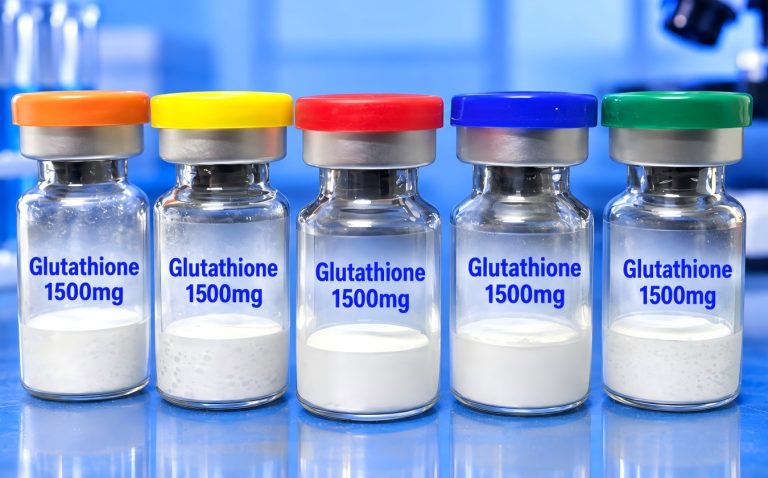
Reduced Glutathione: Why 99% Purity Is Not the Whole Quality Story
A label can say “99% Glutathione.” That still does not tell a professional buyer everything they need to…
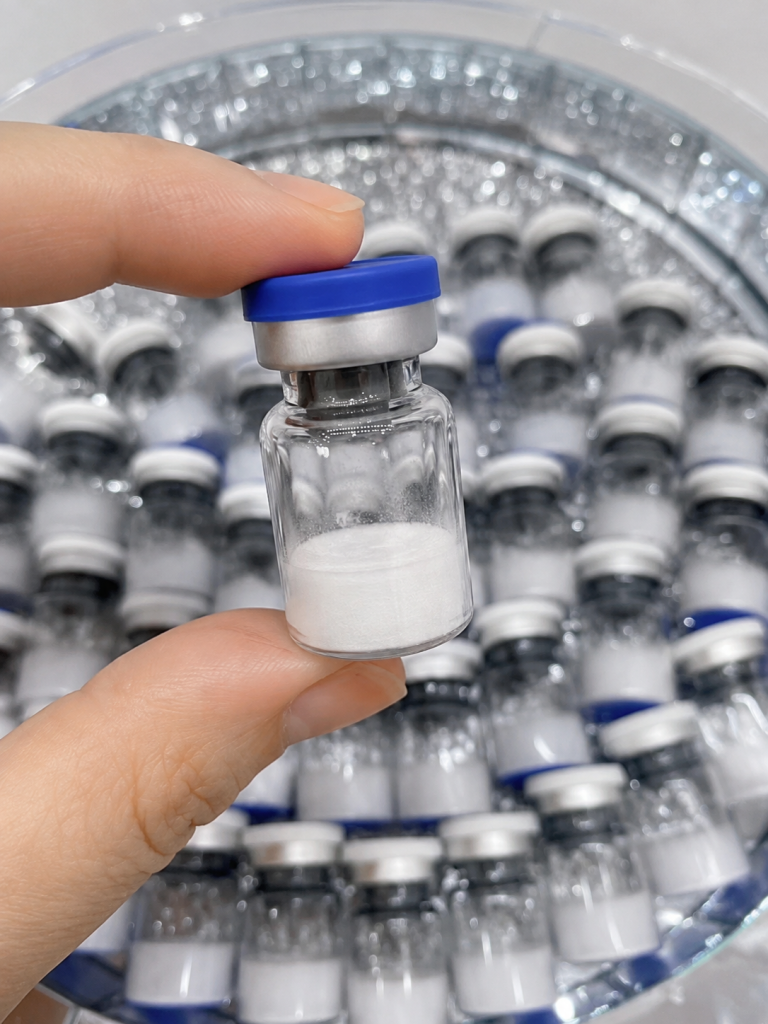
VIP or Aviptadil? Why One Peptide Name Can Hide an Important Sourcing Difference
“VIP,” “Vasoactive Intestinal Peptide” and “Aviptadil” are often used interchangeably online. For a professional research buyer, that shortcut…
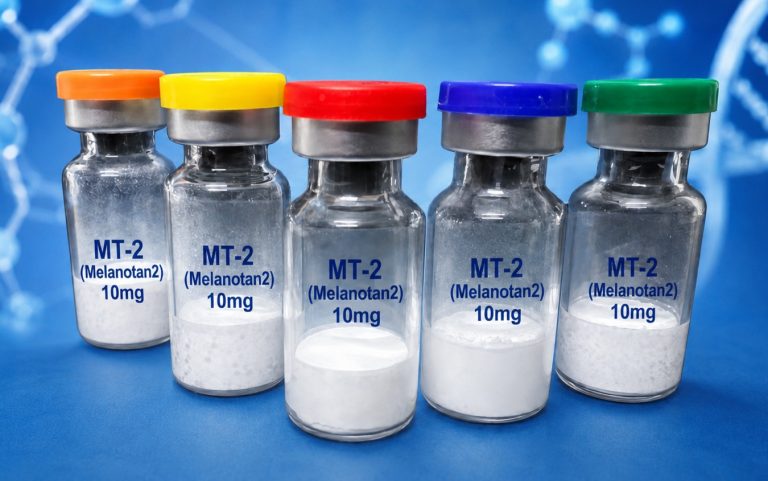
Melanotan II Is Not Afamelanotide: Why Naming Accuracy Matters in Peptide Sourcing
Melanotan II, MT-2 and afamelanotide frequently appear in the same online conversations. That does not make them the…
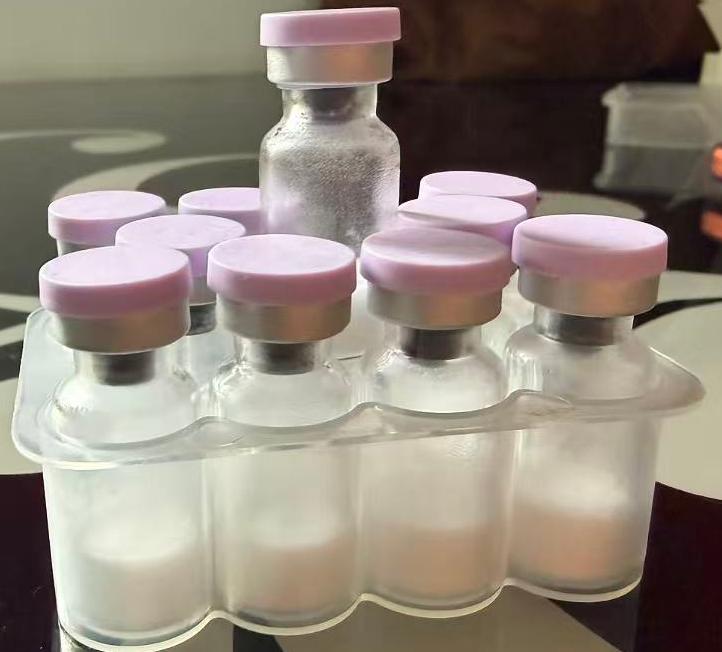
SS-31 Is Now Linked to an FDA-Approved Drug—but Is Your Research Vial Actually Verified?
For years, SS-31 / Elamipretide was discussed mainly as an investigational mitochondria-targeting peptide. That changed when an elamipretide…
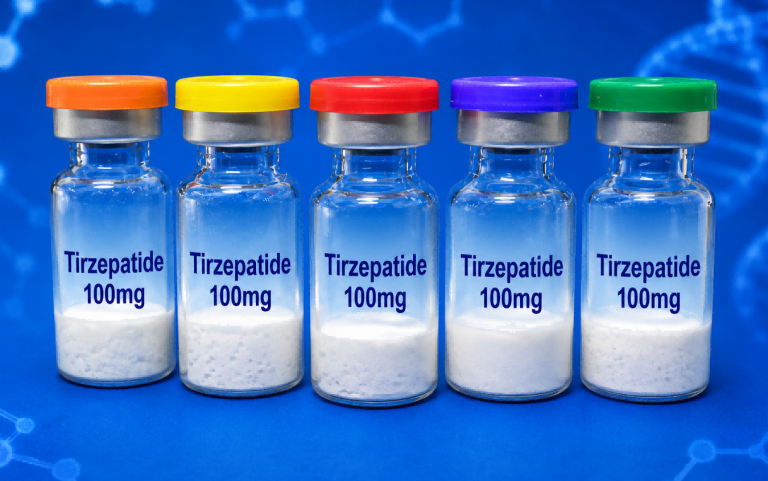
Tirzepatide Is a Molecule Name—not a Quality Certificate
“Tirzepatide” may be written on the label. But for a professional research buyer, that is where verification starts—not…
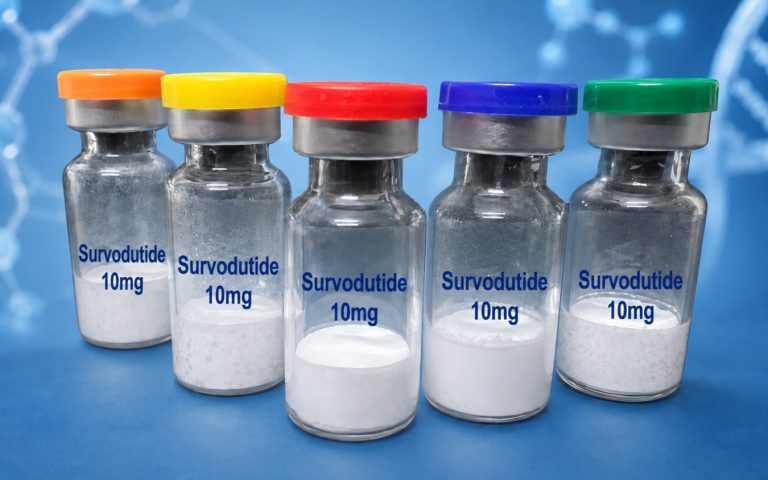
Survodutide Isn’t Just a Weight-Loss Story: Why Liver Research Changes the Sourcing Question
Search for Survodutide today and most headlines focus on body weight. But for research laboratories, one of the…