
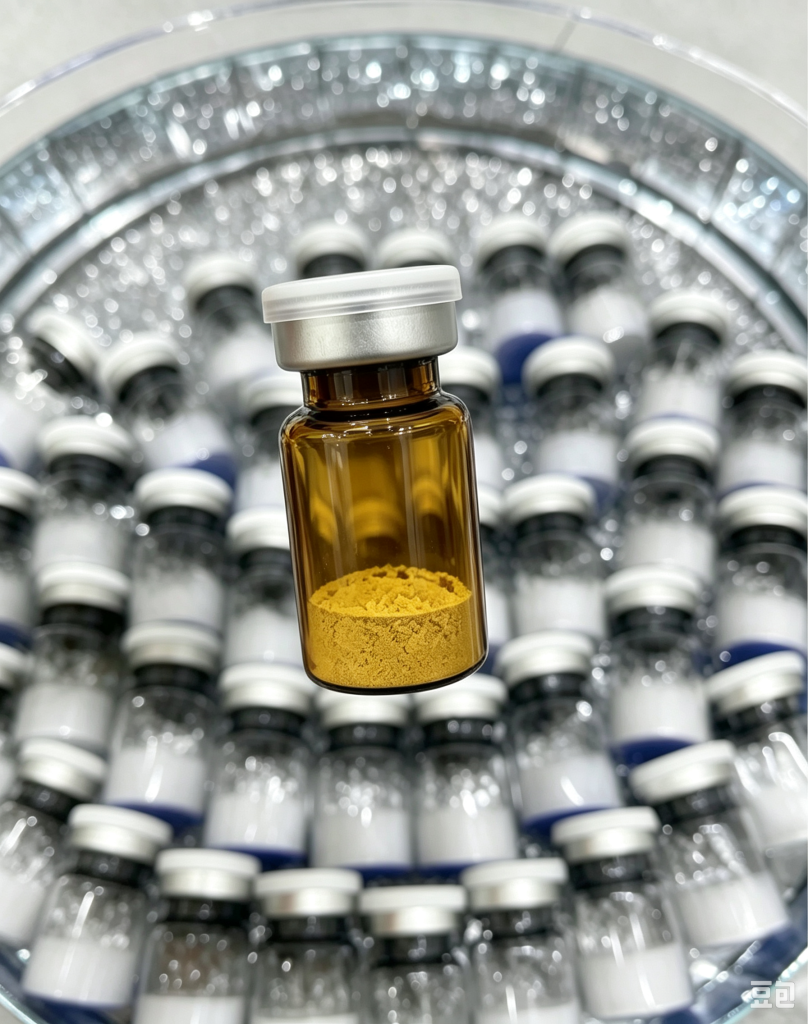
Search “NAD” online and four different molecules can quickly appear in the same conversation: NAD+, NADH, NMN and NR.
For a professional research buyer, that creates a simple but important question:
Which molecule is actually inside the vial?
A familiar name or a high purity percentage is not enough if the chemical identity is unclear.
What Is NAD+?
NAD+ (Nicotinamide Adenine Dinucleotide) is an oxidized dinucleotide coenzyme widely used in laboratory research involving redox biology, cellular metabolism, mitochondrial pathways and NAD-dependent enzymes.
Common identifiers include:
CAS: 53-84-9
Molecular Formula: C21H27N7O14P2
Molecular Weight: approximately 663.4 g/mol
Other common names include β-NAD, beta-NAD+, Coenzyme I, Nadide and DPN+.
But NAD+ should not be confused with several related molecules.
NAD+ Is Not NADH
NAD+ and NADH form a biological redox pair.
NAD+ is the oxidized form.
NADH is the reduced form.
They participate in related metabolic pathways, but they are not chemically interchangeable materials.
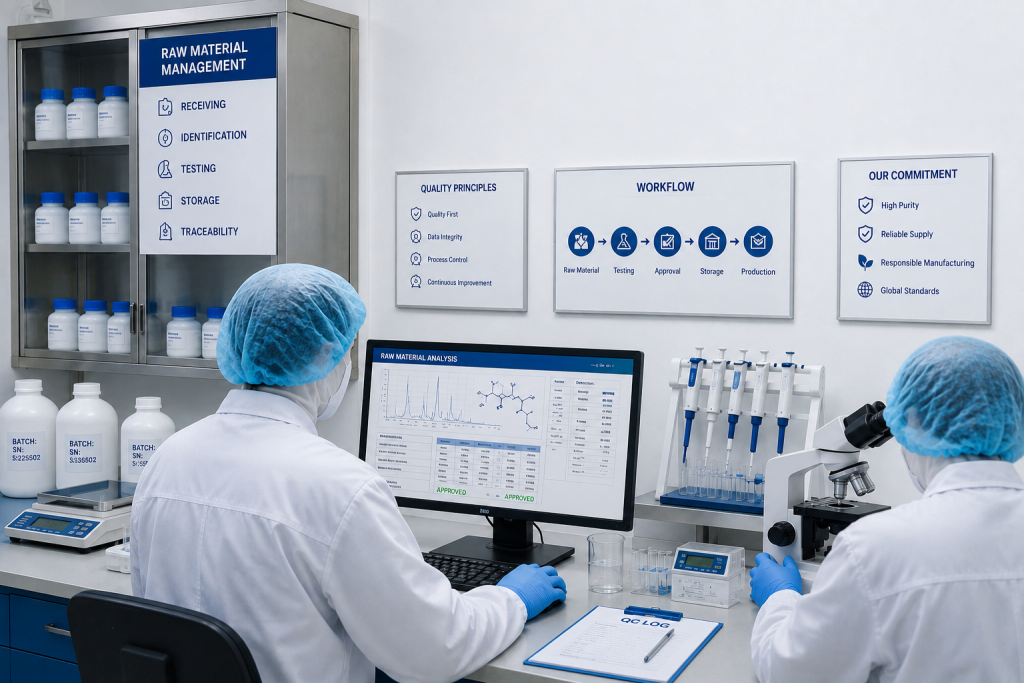
For B2B procurement, a COA describing NADH should never be treated as documentation for NAD+ simply because both contain the letters “NAD.”
NAD+ Is Also Not NMN or NR
Two other names frequently appear in NAD-related searches:
NMN — Nicotinamide Mononucleotide
and
NR — Nicotinamide Riboside
Both are associated with NAD+ biosynthesis, but they are precursor molecules with their own chemical identities.
This distinction matters for:
- CAS verification;
- molecular formula;
- molecular mass;
- chromatographic methods;
- impurity specifications;
- stability;
- batch documentation.
In other words:
“Supports the NAD pathway” does not mean “is NAD+.”
Why a Purity Number Alone Is Not Enough
A high NAD+ assay or HPLC result is useful.
But professional buyers should still ask:
Is the material actually NAD+?
Which chemical, salt or hydration state is being supplied?
Does the molecular specification match the CAS and COA?
What related nucleotides or degradation products are controlled?
Does the analytical result belong to this exact production lot?
That is why serious sourcing should follow:
Identity → Chemical Form → Purity → Related Substances → Batch Traceability
Why NAD+ Requires Different Thinking From a Peptide
NAD+ is frequently sold by companies that also manufacture research peptides.
But NAD+ itself is not an amino-acid peptide.
It is a dinucleotide coenzyme.
That means peptide-specific concepts such as amino-acid sequence verification should not simply be copied onto an NAD+ specification.
Analytical methods should be appropriate for the actual molecule being tested.
What Should a Professional NAD+ COA Show?
Depending on the intended laboratory application, buyers may consider reviewing:
Chemical Identity
The documentation should consistently identify NAD+ rather than NADH, NMN or NR.
CAS and Molecular Specification
CAS 53-84-9, formula and molecular mass should correspond to the actual supplied material and chemical form.
Purity / Assay
Review the analytical method and related-substance information instead of relying only on a headline percentage.
Chemical Form
Where relevant, verify protonation, salt or hydration state against the batch-specific COA.
Storage and Stability Information
NAD-related compounds can be sensitive to environmental conditions, making correct storage documentation important.
Lot Traceability
The material, COA and analytical records should correspond to the same production batch.
What Do NAD+ Reviews Say?
Online experiences are highly mixed.
Positive anecdotal discussions sometimes describe perceived:
- energy;
- mental clarity;
- reduced fatigue;
- better sleep;
- general well-being.
Negative reports include:
- nausea;
- fatigue;
- flushing;
- headache;
- dizziness;
- gastrointestinal or chest discomfort;
- no noticeable effect.
These reports generally involve wellness products, injections, infusions or other formulations—not Sunone research-grade NAD+.
Product identity, formulation, route, purity, concurrent substances and health conditions are usually unknown.
Online reviews therefore cannot establish the safety, efficacy or quality of a particular NAD+ research batch.
NAD+ Research Material from Sunone
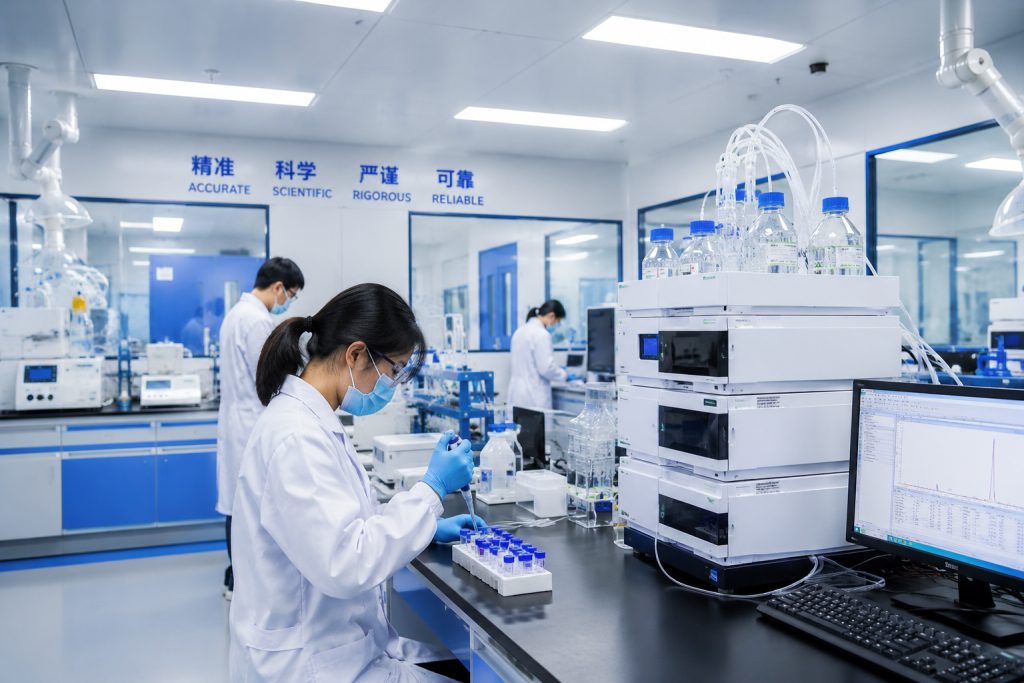
Sunone (Hong Kong) Biopharmaceutical International Technology Co., Limited supplies NAD+ for qualified laboratory research and biotechnology manufacturing applications.
Current listed specifications include:
Product: NAD+
Synonyms: Nicotinamide Adenine Dinucleotide / β-NAD / Coenzyme I / Nadide / DPN+
CAS: 53-84-9
Molecular Formula: C21H27N7O14P2
Molecular Weight: approximately 663.4 g/mol
Grade: Research Grade
Purity Specification: ≥99.7%
Form: Solid / Powder
Storage: 2–8°C, protected from light
Documentation: COA, SDS and Specification Sheet available
Current listed B2B configurations include:
100 mg × 10 vials
500 mg × 10 vials
1000 mg × 10 vials
Exact chemical identity, protonation, salt or hydration state and analytical specifications should always be confirmed against the applicable batch-specific documentation.
Looking for an NAD+ supplier with B2B analytical documentation?
View Sunone NAD+ Specifications:
Contact Sunone with your required quantity, specification, packaging format, analytical-documentation requirements and OEM/ODM project details for a current quotation.
FAQ
Is NAD+ the same as NADH?
No. NAD+ is the oxidized form of the NAD redox couple, while NADH is the reduced form.
Is NMN the same as NAD+?
No. NMN is a precursor involved in NAD+ biosynthesis and has a different chemical identity.
Is NR the same as NAD+?
No. Nicotinamide Riboside is another NAD-related precursor, not NAD+ itself.
What is the CAS number of NAD+?
β-NAD+ is commonly identified as CAS 53-84-9.
Is NAD+ a peptide?
No. NAD+ is a dinucleotide coenzyme, not an amino-acid peptide.
Does ≥99.7% purity prove complete NAD+ identity?
Not by itself. Buyers should also verify the analytical method, chemical form, related substances and batch-specific identity documentation.
This content is provided for scientific and educational purposes only. SUNONE research peptide is for qualified labrtorynt, diagnois, druc tor mmatct or veteimant, use.research only, Not for human consumption, clinical treame. Purchasers are responsible for complying with applicable laws and regulations in their jurisdiction.
Leave a Reply