
LL-37 is often introduced with a simple label:
human antimicrobial peptide.
That description is correct—but incomplete.
LL-37 is a 37-amino-acid, cathelicidin-derived peptide studied not only in antimicrobial models but also in innate immunity, inflammatory signaling, chemotaxis, epithelial biology and host-defense research.
For laboratories sourcing an LL-37 research peptide, understanding this broader biology is just as important as checking the purity percentage.
What Is LL-37?
LL-37 is the mature C-terminal peptide derived from the human cathelicidin precursor hCAP18.
Its basic molecular profile includes:
- Product name: LL-37
- Related names: LL37, Cathelicidin LL-37, CAP-18, hCAP18/LL-37
- Length: 37 amino acids
- Sequence: LLGDFFRKSKEKIGKEFKRIVQRIKDFLRNLVPRTES
- Molecular formula: C205H340N60O53
- Molecular weight: approximately 4493 g/mol
- Research category: antimicrobial and host-defense peptide
LL-37 is a cationic, amphipathic peptide capable of adopting an alpha-helical structure under appropriate experimental conditions.

Why Is LL-37 More Than an Antimicrobial Peptide?
A large part of LL-37 research focuses on interactions with microbial membranes.
However, published research also investigates LL-37 in relation to:
innate immune signaling, chemotaxis, cytokine responses, epithelial-cell activation, angiogenesis and tissue-repair biology.
That broader activity is important.
It means that an experimental result involving LL-37 cannot automatically be explained simply as “antimicrobial activity.”
The biological environment, concentration, cell type and assay design can all influence the observed response.
Context Matters in LL-37 Research
LL-37 illustrates an important principle in peptide biology:
the same peptide can participate in more than one biological pathway.
Research has reported antimicrobial and immunomodulatory activities, while other experimental systems have examined host-cell cytotoxicity and pro-inflammatory signaling.
For this reason, researchers should avoid interpreting every LL-37 result as evidence of a single universal effect.
Controlled experimental design and well-characterized material are essential.
Why Online Reviews Are Not Analytical Evidence
Internet discussions about LL-37 contain both positive and negative personal experiences.
Some users report perceived improvements, while others describe significant discomfort or no useful effect.
These reports may explain search interest in LL-37 peptide reviews, but they cannot establish:
molecular identity, chromatographic purity, peptide content, biological activity or batch consistency.
For laboratory procurement, analytical data provide substantially more useful information.
What Should Researchers Verify When Sourcing LL-37?
Sequence Identity
A research material described as LL-37 should correspond to the expected 37-amino-acid sequence.
Sequence documentation is therefore an important first step in material qualification.
HPLC Purity
LL-37 HPLC analysis can provide information about chromatographic purity and related peptide components.
A purity percentage is most useful when it is connected to the actual production batch.
Molecular Identity
High HPLC purity does not, by itself, prove that a vial contains the intended peptide.
Mass-spectrometry or comparable identity analysis can provide additional evidence supporting the expected molecular identity.
Batch-Specific COA
An LL-37 Certificate of Analysis (COA) should ideally identify the production lot and the analytical results associated with that lot.
Researchers should also check the applicable specification documentation when reviewing identifiers such as CAS information rather than relying only on third-party marketplace listings.

Sunone LL-37 Research Peptide
Sunone (Hong Kong) Biopharmaceutical International Technology Co., Limited supplies LL-37 for qualified laboratory, analytical and manufacturing applications.
Current Sunone product specifications include:
- 37-amino-acid LL-37 sequence
- Molecular formula C205H340N60O53
- Molecular weight approximately 4493 g/mol
- ≥99% HPLC specification
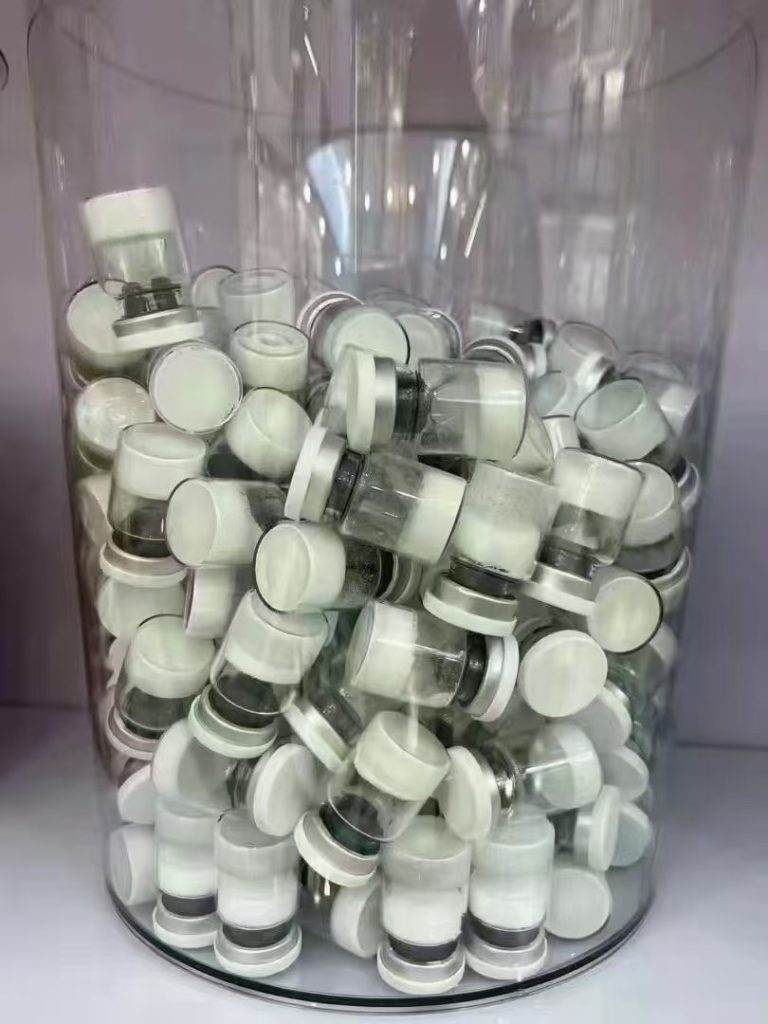
- Lyophilized peptide format
- 5 mg research packaging
- Batch-specific Certificate of Analysis documentation
- Safety Data Sheet
- Product specification documentation
- Storage at 2–8°C, protected from light
View the Sunone LL-37 research peptide product page for current technical specifications, analytical documentation and B2B sourcing information.
For biotechnology companies comparing an LL-37 peptide supplier or peptide manufacturer, sequence identity, HPLC purity, molecular verification and batch traceability provide a stronger basis for procurement than consumer testimonials.
Final Perspective
Calling LL-37 an “antimicrobial peptide” is useful, but it does not capture the full scientific picture.
LL-37 is also studied as a host-defense and immunomodulatory peptide, with experimental behavior that can change according to biological context.
For reproducible research, the practical questions are therefore straightforward:
Is the 37-amino-acid sequence correct? Is purity supported by batch data? Is molecular identity verified? And can the supplied material be traced to an appropriate COA?
Those questions provide a stronger foundation for responsible LL-37 laboratory research.
This content is provided for scientific and educational purposes only. SUNONE research peptide is for qualified labrtorynt, diagnois, druc tor mmatct or veteimant, use.research only, Not for human consumption, clinical treame. Purchasers are responsible for complying with applicable laws and regulations in their jurisdiction.
Leave a Reply