

Survodutide Research Peptide: What Trial Discontinuations Reveal About Evidence and Quality Verification
Survodutide (BI 456906) is attracting growing attention in metabolic peptide research. As a dual GLP-1/glucagon receptor agonist, it…
Mazdutide After Approval: Why Clinical Drug Evidence and Research-Peptide Identity Must Stay Separate
Mazdutide has moved beyond being only an experimental metabolic peptide. Following regulatory approvals in China, searches for Mazdutide,…
Selank Research Peptide: Why Human Evidence, Peptide Identity and Online Reviews Should Not Be Confused
Search for Selank online and two very different pictures appear. Scientific literature describes a synthetic heptapeptide investigated in…
Acetic Acid Water 0.6% for Research: Why Concentration, pH and Batch Documentation Matter
Acetic Acid Water 0.6% looks like a simple laboratory solution. Chemically, it is simple. Analytically, however, “0.6% acetic…

BPC-157 + TB-500 Research Blend: Why a 1:1 Ratio Does Not Mean One Molecule
BPC-157 + TB-500 is frequently described online as a “Wolverine” peptide blend. For laboratory researchers and biotechnology buyers,…
Retatrutide Research Peptide: Why One Molecule and Three Receptors Matter
Retatrutide is often described as a “triple agonist.” That phrase is accurate, but it can also create a…
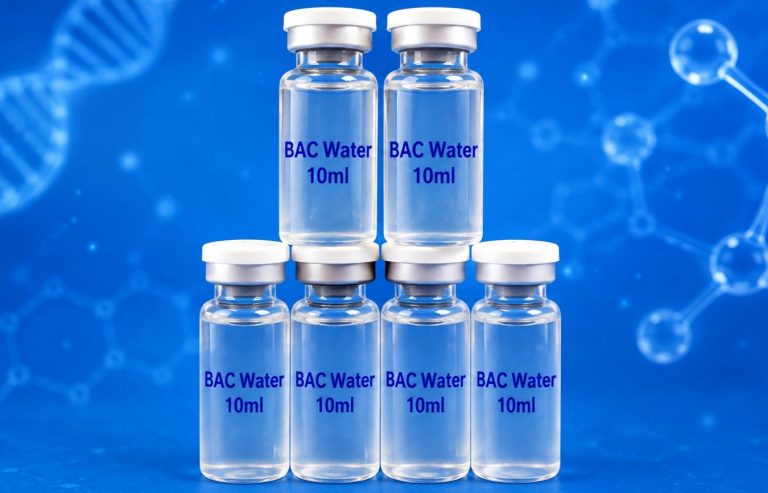
BAC Water for Research: Why Preservative Concentration and Batch Documentation Matter
BAC Water is often described simply as “water with benzyl alcohol.” For laboratory procurement, that description is incomplete.…
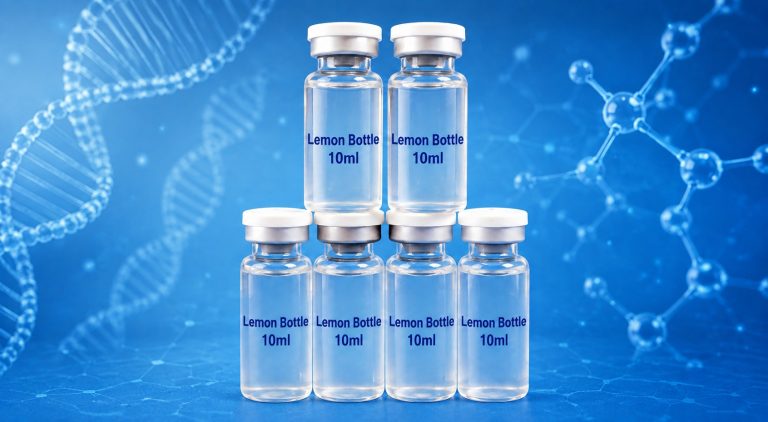
Lemon Bottle Research Solution: Why Ingredient Identity and Batch Verification Matter
Search for Lemon Bottle and most pages focus on aesthetic marketing. For biotechnology laboratories and professional B2B buyers,…

BPC-157 + GHK-Cu + TB-500 Research Blend: Why 70 mg Does Not Tell the Whole Analytical Story
A 70 mg peptide blend sounds straightforward. But for laboratory research, “70 mg” describes total material quantity—not the…

Semaglutide Research Peptide: Why Aib8, C18 Acylation and Batch Identity Matter
Semaglutide is widely described as a GLP-1 receptor agonist. For peptide researchers, however, that description leaves out one…