

GHK-Cu Research: Why Does This Peptide Bind Copper?
When discussing GHK-Cu, attention often goes directly to its biological research. But one of the most interesting features…
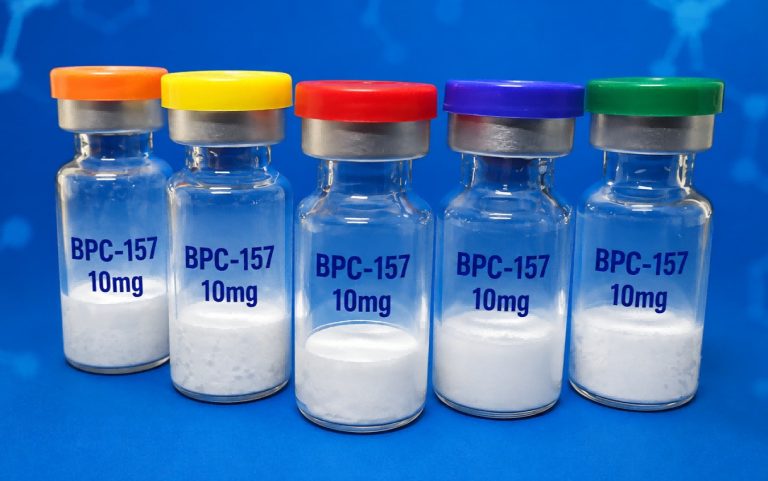
BPC-157 Research: What Makes This 15-Amino-Acid Peptide Interesting?
BPC-157 has become a frequently discussed compound in peptide research, particularly in studies investigating cellular protection, tissue response…

Semax vs Selank: Why These Two Research Peptides Are Not Interchangeable
Semax and Selank are frequently discussed together in neuropeptide research. Both are synthetic heptapeptides containing seven amino acids,…

How to Store Research Peptides: 4 Factors That Affect Peptide Stability
Proper research peptide storage is an important part of maintaining sample quality and generating consistent laboratory results. Instead…

Why Are Peptides Supplied as Lyophilized Powder? Understanding the Science Behind Freeze-Dried Peptides
Introduction: The Reason Behind the Powder Form of Research Peptides When researchers receive peptide products, they often notice…
How to Read a Peptide Certificate of Analysis (COA): 3 Things to Check
When sourcing peptides for laboratory research, a Certificate of Analysis (COA) provides important information about the identity, purity,…

CJC-1295 DAC vs No DAC: Why One Structural Change Matters in Research
CJC-1295 DAC vs No DAC is a common comparison in peptide research, but the difference is more significant…

Semax Peptide: What Research Says About BDNF, Neuroprotection & Cognitive Signaling
Semax peptide has attracted growing attention in neuroscience and peptide research, particularly for its relationship with neurotrophic signaling,…

GHK-Cu (Copper Peptide): What Research Really Says About Skin, Collagen & Repair
GHK-Cu (Copper Peptide) has become one of the most discussed peptides in skin, collagen and tissue-repair research. But…
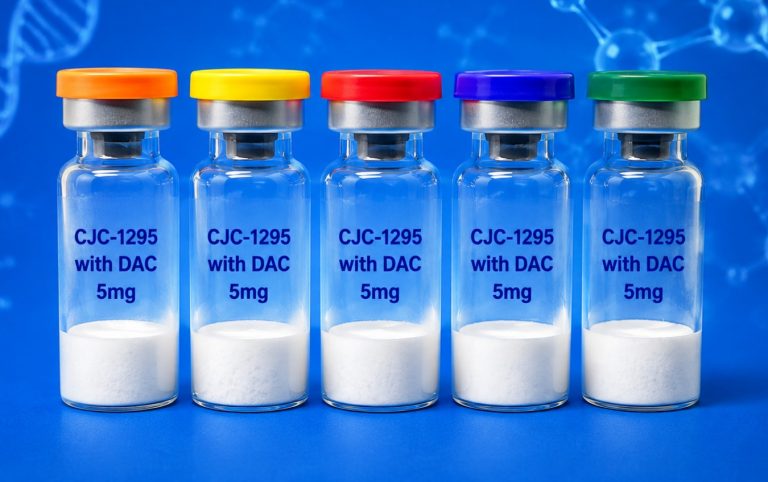
CJC-1295 with DAC: A Quick Guide to This Long-Acting GHRH Research Peptide
CJC-1295 with DAC is a synthetic, long-acting analog of growth hormone-releasing hormone (GHRH) that has attracted interest in…