

Semax Research: Why the PGP Tail Matters More Than the “Nootropic Peptide” Label
What Is Semax? Semax is a synthetic heptapeptide derived from the ACTH peptide system and widely studied in…
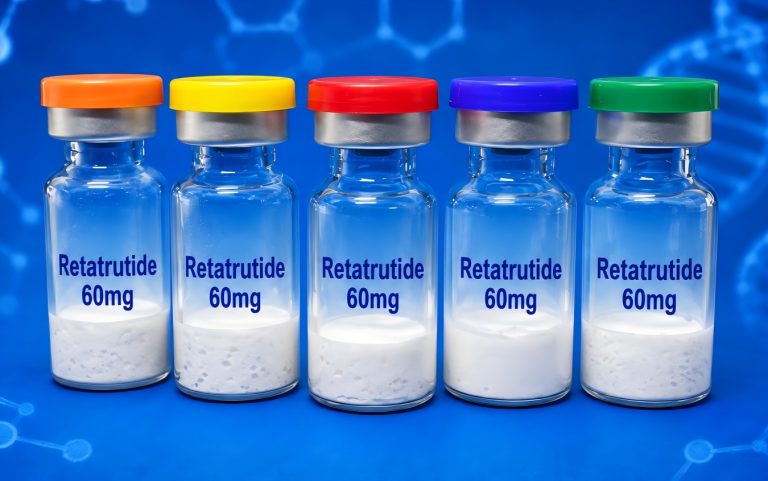
Retatrutide Research: Why Receptor Balance Matters More Than the “Triple Agonist” Label
What Is Retatrutide? Retatrutide, also known as LY3437943, is an investigational peptide designed to activate three metabolically relevant…
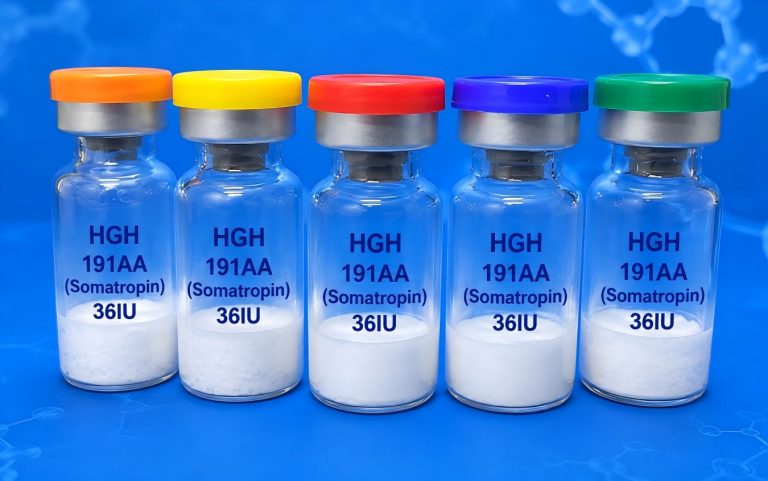
HGH 191AA Research: Why Correct Protein Folding Matters Beyond HPLC Purity
What Is HGH 191AA? HGH 191AA, also known as Somatropin or recombinant human growth hormone (rHGH), is a…

VIP vs PACAP: Why Shared VPAC Receptors Do Not Make These Peptides Identical
What Is Vasoactive Intestinal Peptide? Vasoactive Intestinal Peptide (VIP) is a naturally occurring 28-amino-acid neuropeptide involved in receptor…
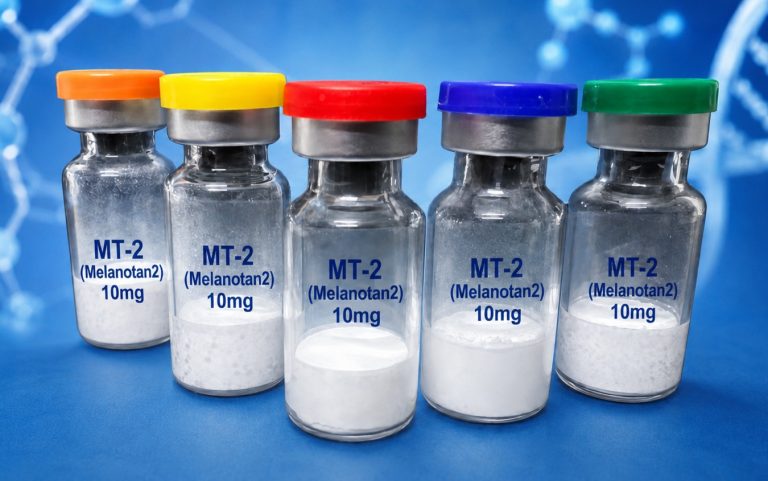
Melanotan 2 Research: Why Cyclic Lactam Structure Changes Melanocortin Receptor Biology
What Is Melanotan 2? Melanotan 2, also known as Melanotan II or MT-2, is a synthetic cyclic peptide…
SS-31 Research: Why Cardiolipin Targeting Is More Precise Than Calling Elamipretide an “Antioxidant Peptide”
What Is SS-31? SS-31, also known as Elamipretide, Bendavia or MTP-131, is a mitochondria-targeting synthetic peptide studied for…
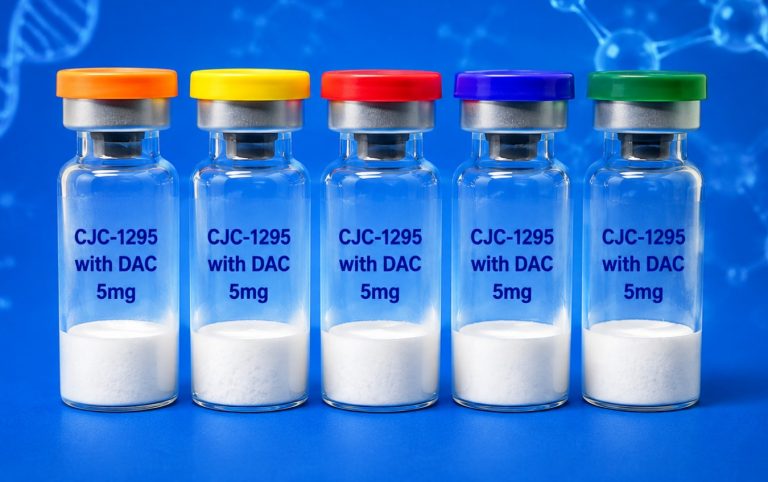
CJC-1295 with DAC Research: Why Albumin Binding Changes the Evidence
What Is CJC-1295 with DAC? CJC-1295 with DAC is a synthetic long-acting analogue of growth hormone-releasing hormone, or…

GHK-Cu Research: Why Copper Complex Identity Matters Beyond Peptide Purity
What Is GHK-Cu? GHK-Cu, also known as Copper Tripeptide-1, is a copper-binding complex formed from the tripeptide Gly-His-Lys…
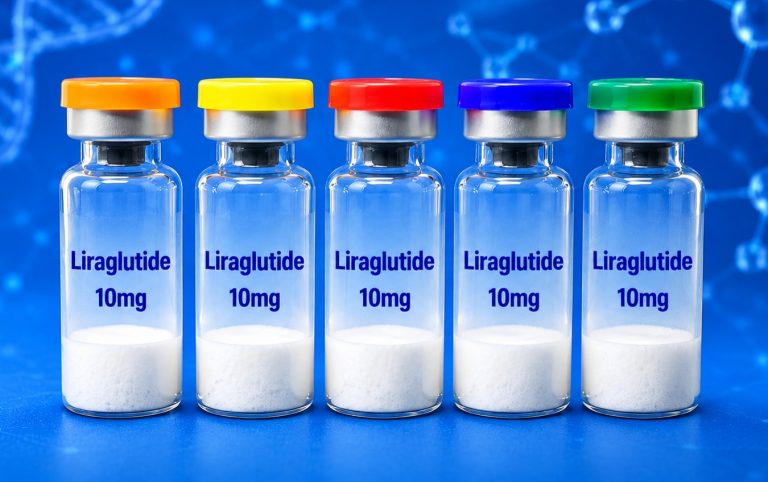
Liraglutide Stability: Why Peptide Degradation Matters Beyond HPLC Purity
What Is Liraglutide? Liraglutide is a long-acting acylated GLP-1 analogue used extensively in metabolic and peptide research. Its…
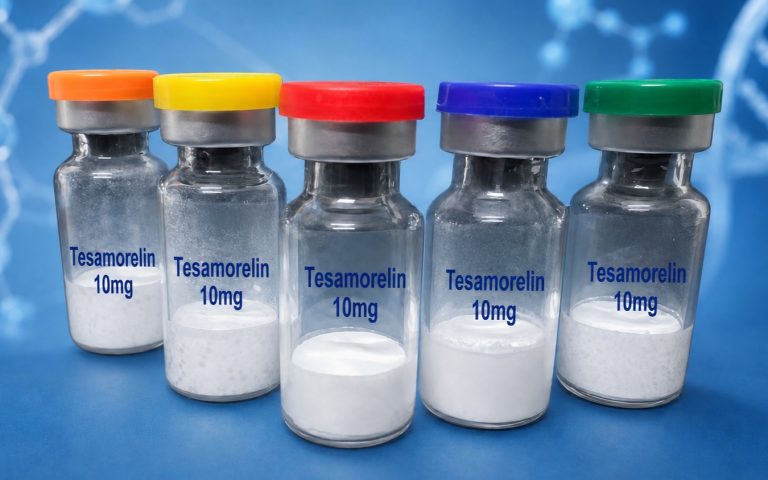
Tesamorelin Research: Why the N-Terminal Hexenoyl Modification Matters
What Is Tesamorelin? Tesamorelin is a synthetic analogue of human growth hormone-releasing factor, also known as GHRH or…