
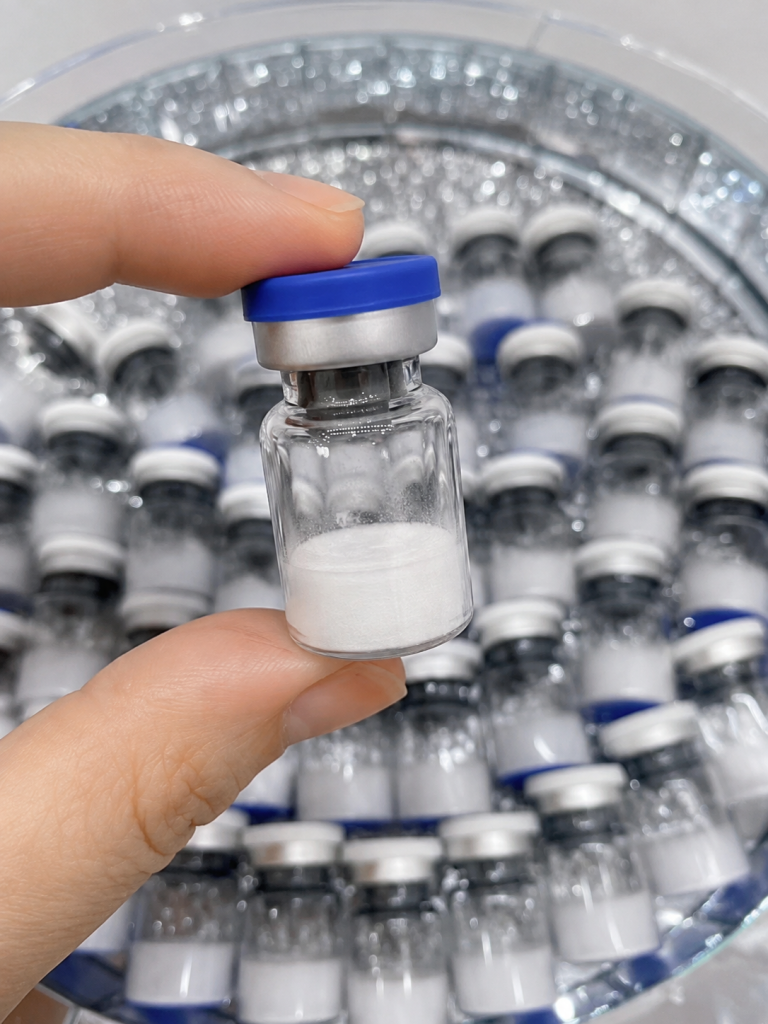
Selank Research Guide: Why Seven Amino Acids Raise Bigger Questions About Neurobiology
Selank Contains Only Seven Amino Acids—Why Is It Interesting? Peptide size does not necessarily predict biological complexity. Selank…
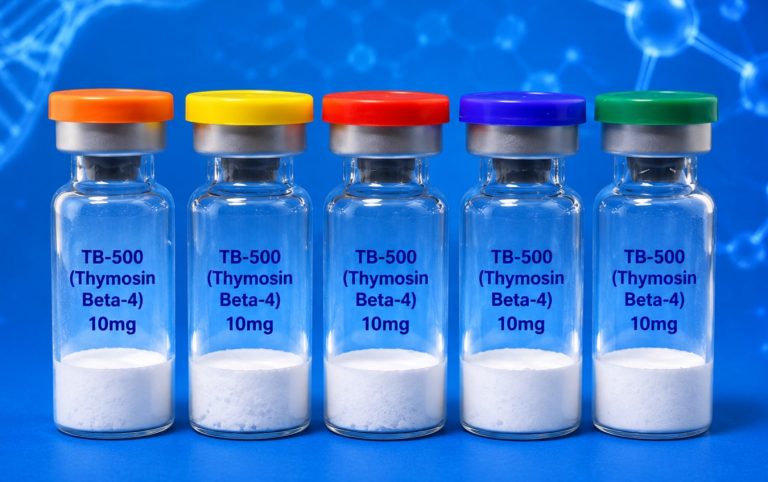
TB-500 Research Guide: Are TB-500 and Thymosin Beta-4 Actually the Same Thing?
TB-500 or Thymosin Beta-4: Does the Name Matter? Search for TB-500 peptide online and you may encounter two…
BPC-157 + TB-500 Research Blend: Why Two Peptides Create Three Quality Questions
Why Is a Two-Peptide Blend Harder to Verify? A single research peptide already raises two fundamental analytical questions:…
BPC-157 Research Guide: Why “Healing Peptide” Is an Oversimplification
Why Is BPC-157 Called a “Healing Peptide”? Search for BPC-157 peptide online and one description appears repeatedly: “Healing…
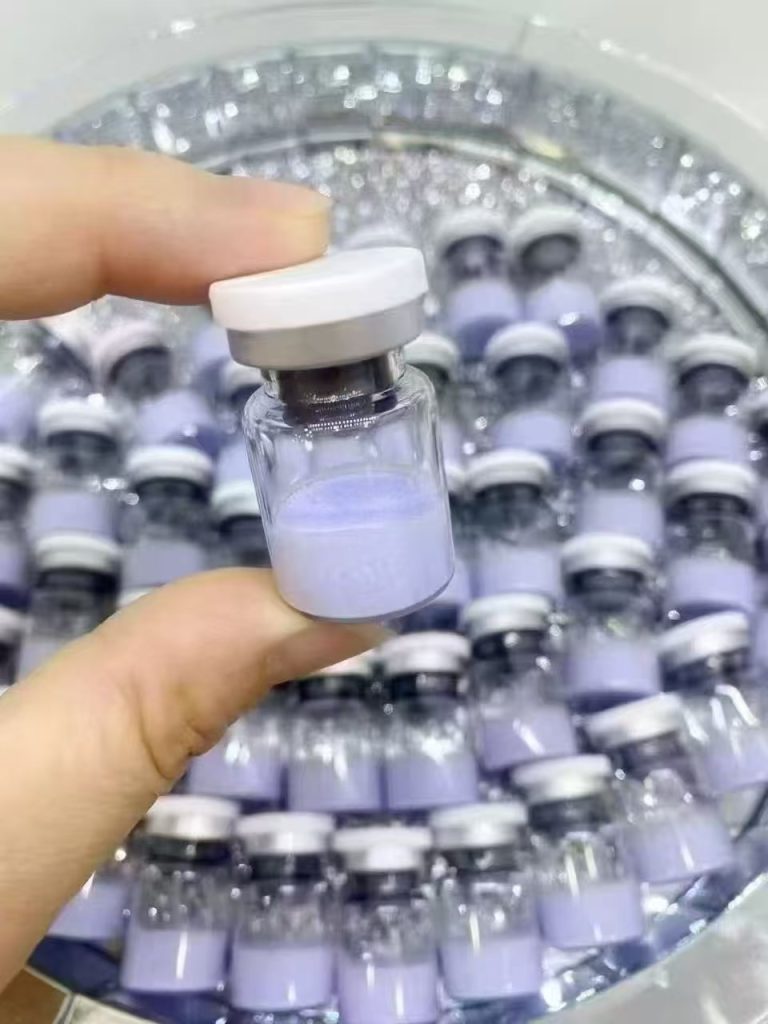
GHK-Cu Research Guide: Why Copper Binding Changes the Peptide Story
GHK Is a Tripeptide. So What Changes When Copper Enters the Picture? GHK-Cu is often introduced simply as…
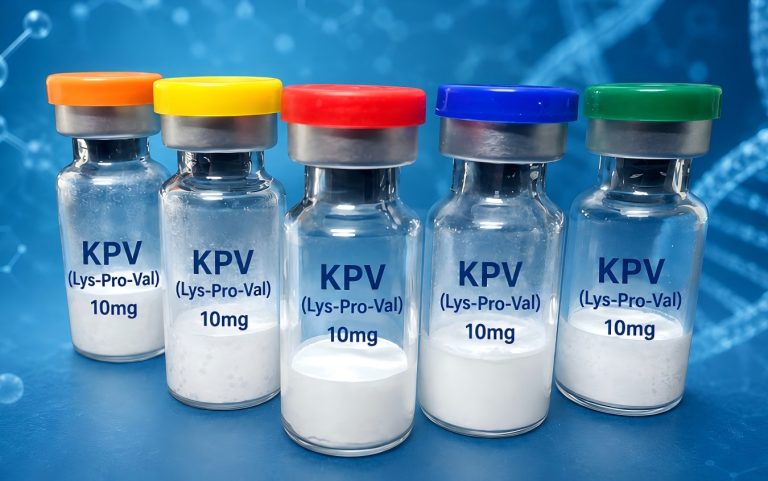
KPV Research Guide: How Three Amino Acids Became an Interesting Inflammation Research Model
KPV Is Only Three Amino Acids—So Why Study It? Peptides do not need to be large to raise…
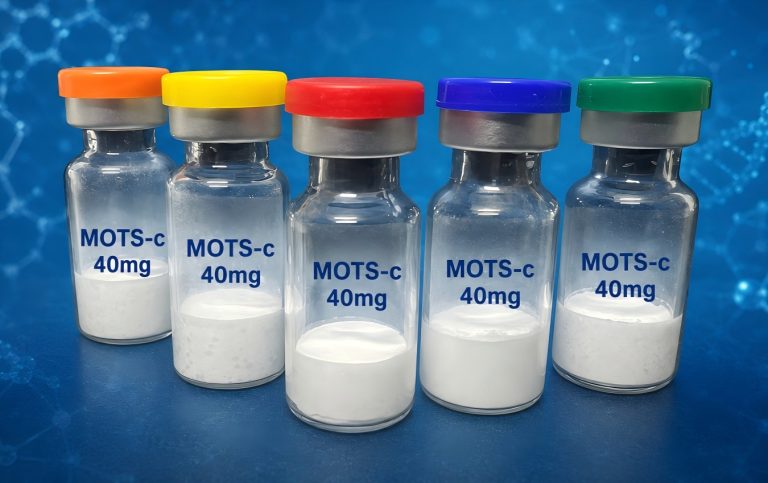
MOTS-c Research Guide: How a Mitochondrial Peptide Communicates Beyond the Mitochondria
What Makes MOTS-c an Unusual Research Peptide? Most discussions about peptides begin with what they do. With MOTS-c,…
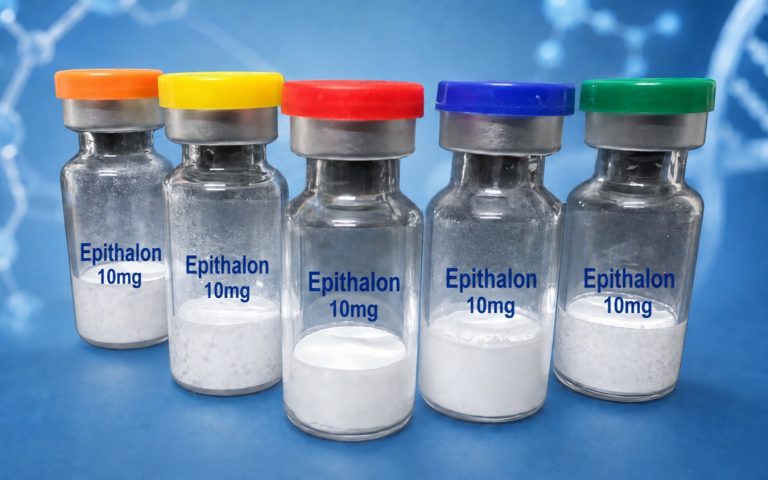
Epithalon Research Guide: What Telomere Studies Actually Show—and What They Don’t
What Is Epithalon? Epithalon, also widely known as Epitalon, is a remarkably small research peptide. While many peptides…
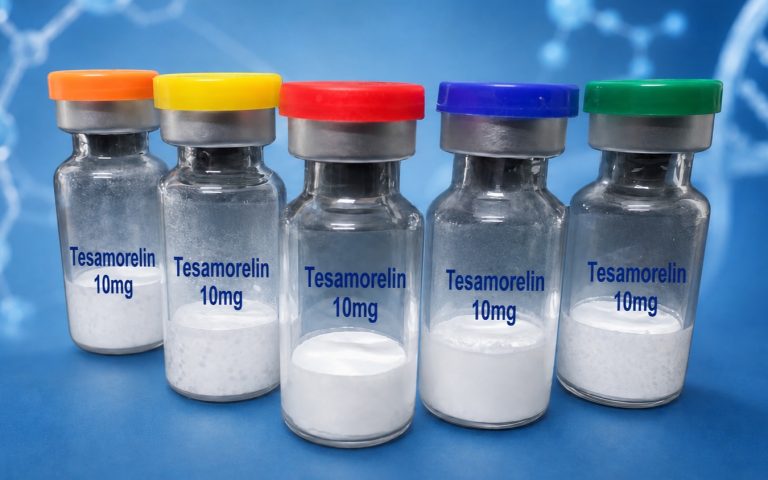
Tesamorelin Research Guide: Structure, GHRH Signaling and Peptide Quality
What Makes Tesamorelin Different? Not every peptide associated with the growth hormone axis is growth hormone itself. Tesamorelin…
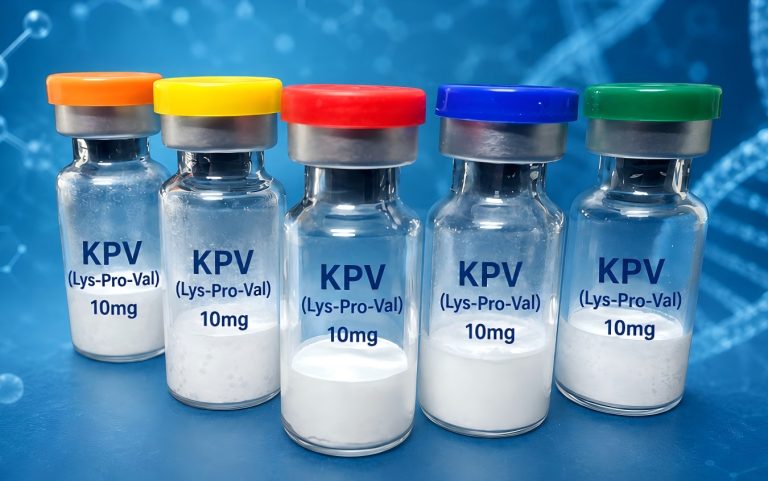
KPV Research Guide: How Can Three Amino Acids Retain Part of α-MSH Biology?
KPV Contains Only Three Amino Acids—Why Is It Studied? Some research peptides contain dozens of amino acids. KPV…