

MOTS-c Peptide Research: Understanding a Mitochondrial-Derived Peptide
What Is MOTS-c Peptide? MOTS-c is a mitochondrial-derived peptide that has become an important research target in studies…
Cagrilintide Peptide: What Researchers Should Know About This Long-Acting Amylin Analogue
What Is Cagrilintide? Cagrilintide is an investigational long-acting amylin analogue that has attracted increasing attention in metabolic, appetite…
VIP Peptide Research Guide: Why “Intestinal Peptide” No Longer Tells the Whole Story
VIP Is Called an “Intestinal Peptide”—But Is That Still the Best Description? Names in peptide science often reflect…
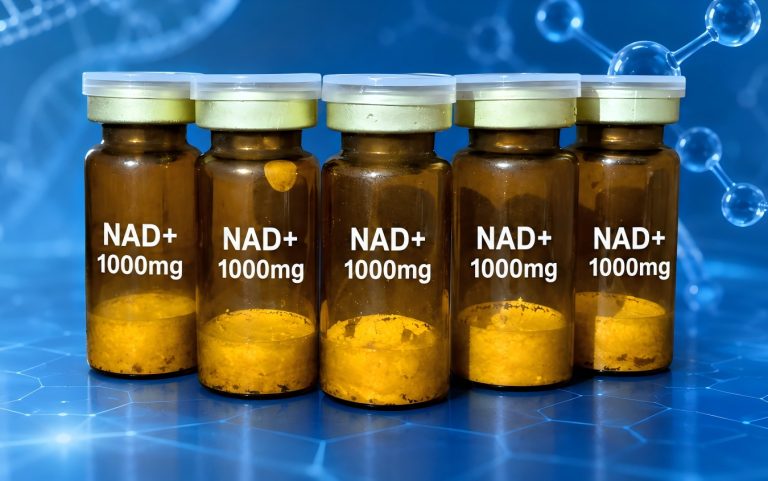
NAD+ Research Guide: Why More NAD+ Does Not Automatically Mean More Energy
NAD+ Is Called an “Energy Molecule”—But What Does That Actually Mean? Few molecules in healthy-aging research have received…
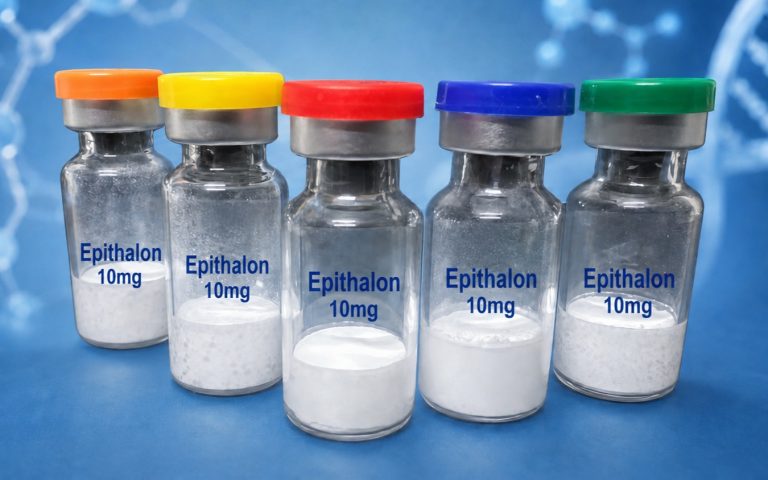
Epitalon Research Guide: Telomere Length Is Not the Same as Longevity
Four Amino Acids—and a Very Big Longevity Claim Few research peptides illustrate the gap between a laboratory finding…
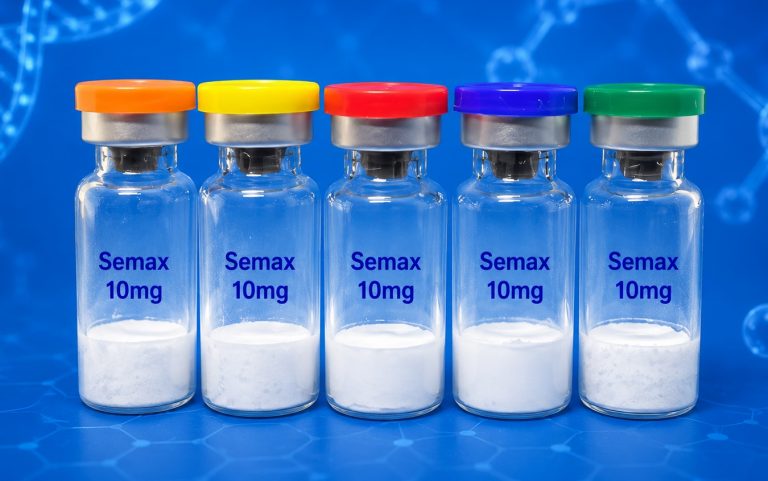
Semax Research Guide: What Does an ACTH-Derived Peptide Have to Do With BDNF?
Semax Comes From ACTH Research—But It Is Not ACTH At first glance, Semax peptide has an unusual scientific…
Selank Research Guide: Why Seven Amino Acids Raise Bigger Questions About Neurobiology
Selank Contains Only Seven Amino Acids—Why Is It Interesting? Peptide size does not necessarily predict biological complexity. Selank…
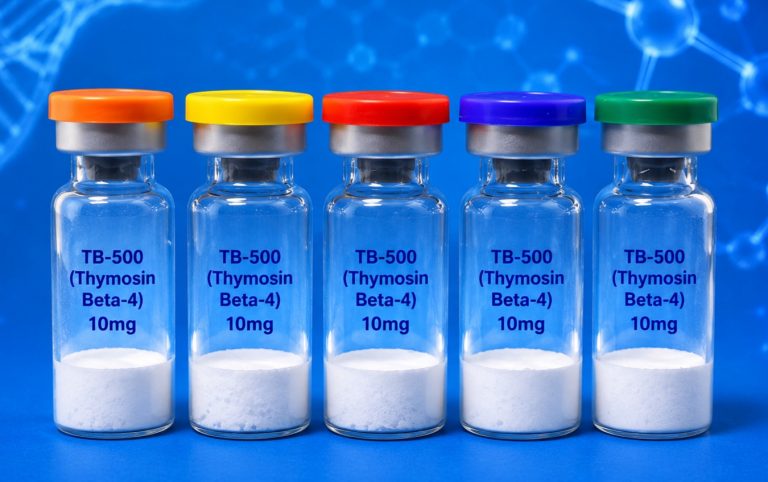
TB-500 Research Guide: Are TB-500 and Thymosin Beta-4 Actually the Same Thing?
TB-500 or Thymosin Beta-4: Does the Name Matter? Search for TB-500 peptide online and you may encounter two…
BPC-157 + TB-500 Research Blend: Why Two Peptides Create Three Quality Questions
Why Is a Two-Peptide Blend Harder to Verify? A single research peptide already raises two fundamental analytical questions:…
BPC-157 Research Guide: Why “Healing Peptide” Is an Oversimplification
Why Is BPC-157 Called a “Healing Peptide”? Search for BPC-157 peptide online and one description appears repeatedly: “Healing…