
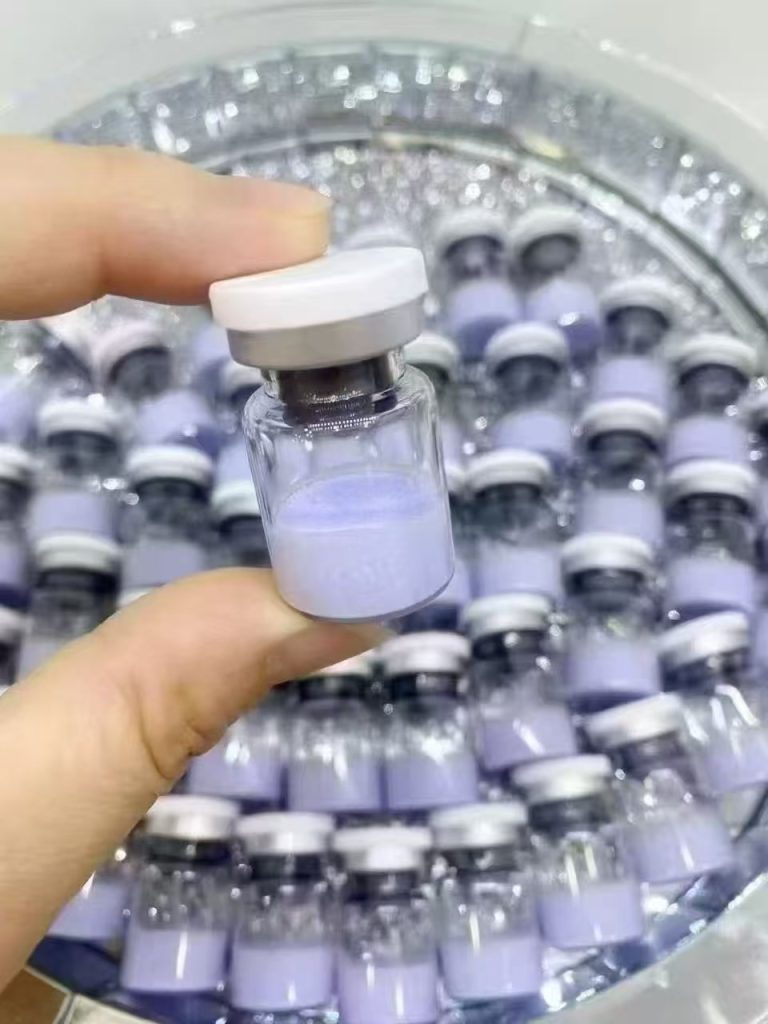
GHK-Cu Research Guide: Why Copper Binding Changes the Peptide Story
GHK Is a Tripeptide. So What Changes When Copper Enters the Picture? GHK-Cu is often introduced simply as…
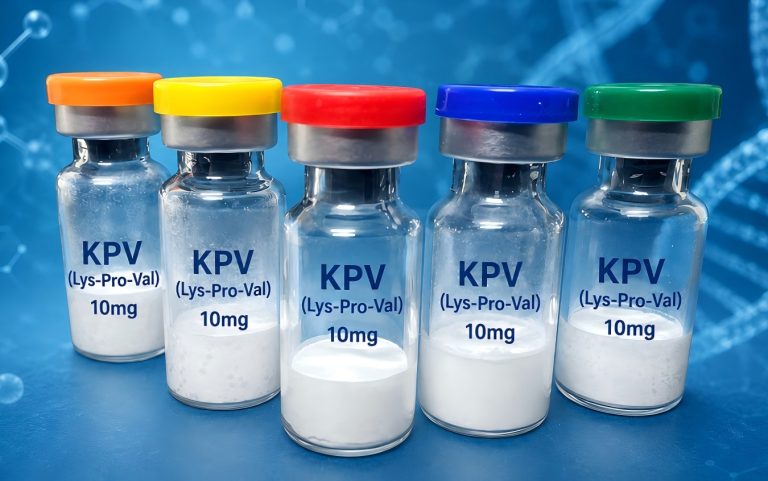
KPV Research Guide: How Three Amino Acids Became an Interesting Inflammation Research Model
KPV Is Only Three Amino Acids—So Why Study It? Peptides do not need to be large to raise…
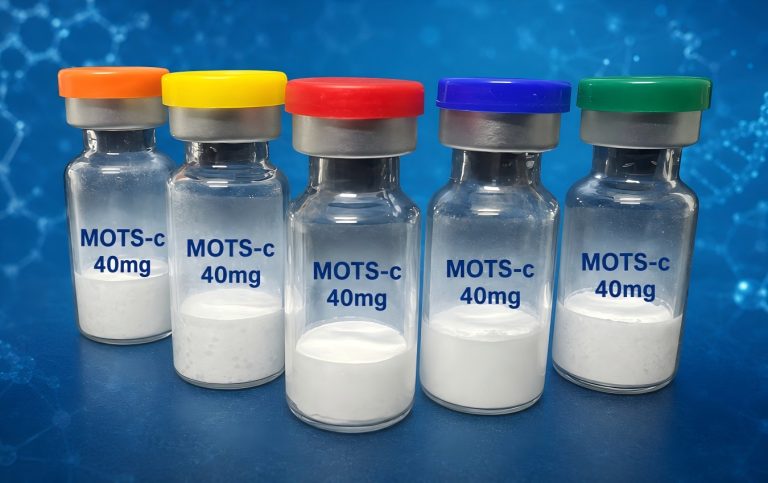
MOTS-c Research Guide: How a Mitochondrial Peptide Communicates Beyond the Mitochondria
What Makes MOTS-c an Unusual Research Peptide? Most discussions about peptides begin with what they do. With MOTS-c,…
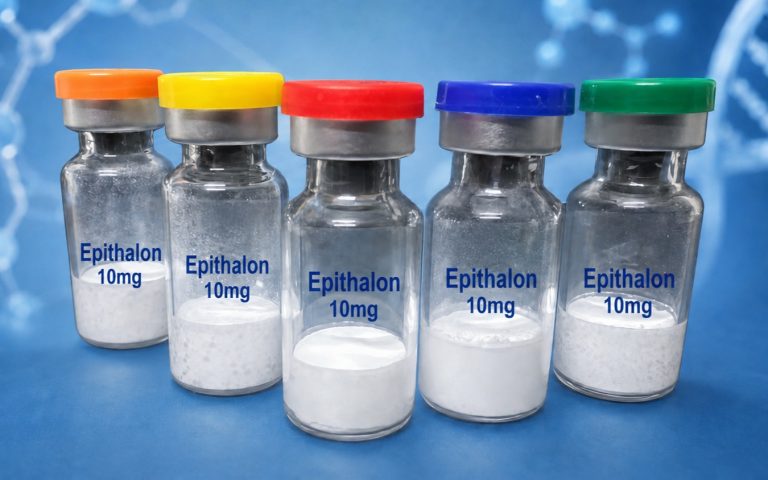
Epithalon Research Guide: What Telomere Studies Actually Show—and What They Don’t
What Is Epithalon? Epithalon, also widely known as Epitalon, is a remarkably small research peptide. While many peptides…
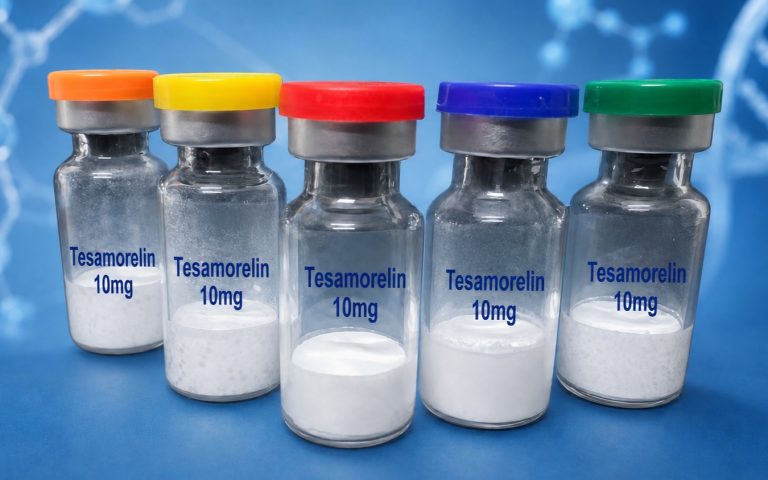
Tesamorelin Research Guide: Structure, GHRH Signaling and Peptide Quality
What Makes Tesamorelin Different? Not every peptide associated with the growth hormone axis is growth hormone itself. Tesamorelin…
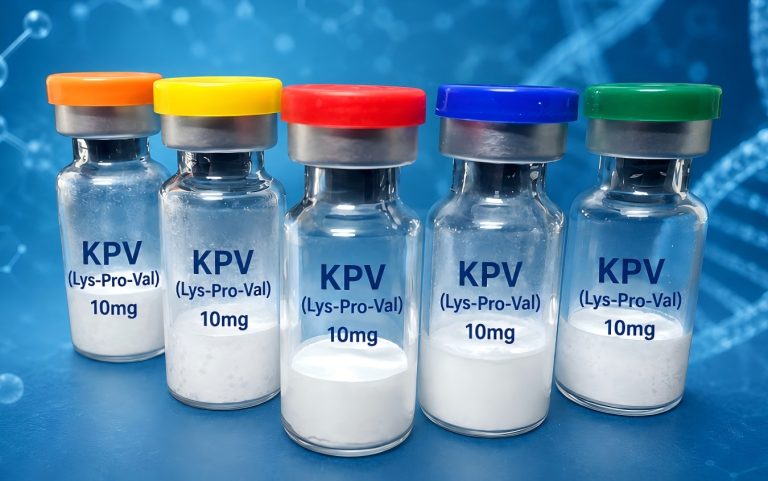
KPV Research Guide: How Can Three Amino Acids Retain Part of α-MSH Biology?
KPV Contains Only Three Amino Acids—Why Is It Studied? Some research peptides contain dozens of amino acids. KPV…
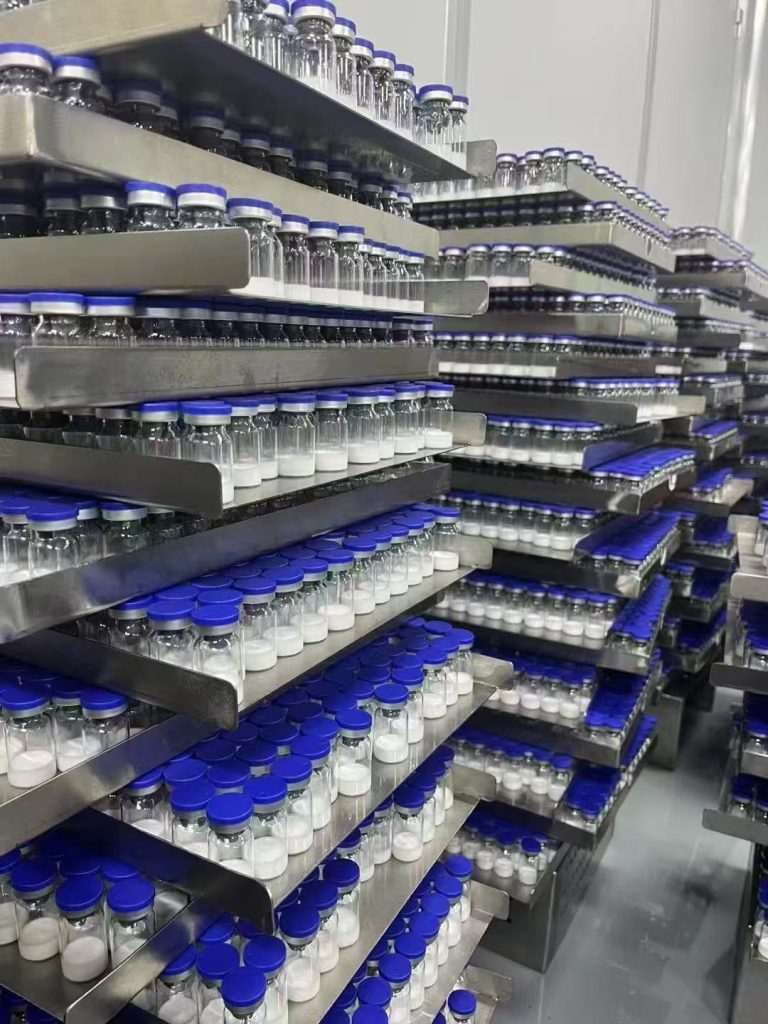
What Is KPV Peptide? Structure, Research and Quality Explained
What Is KPV Peptide? KPV is small—even by peptide standards. Made from only three amino acids, lysine-proline-valine (Lys-Pro-Val),…
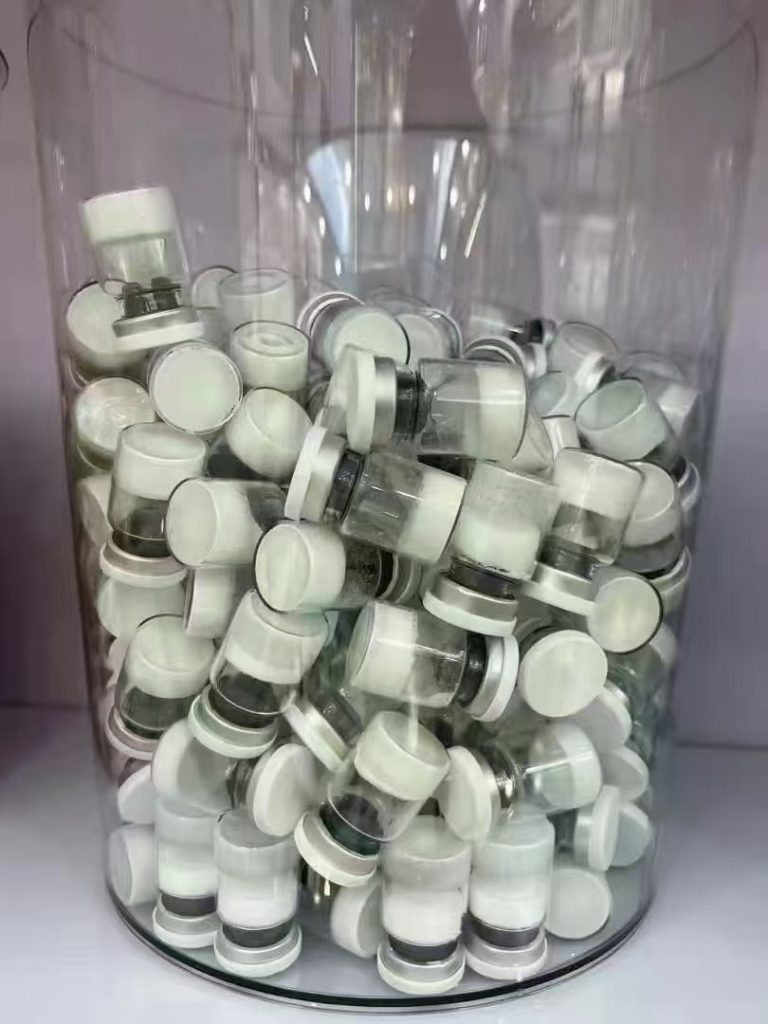
What Is Tesamorelin? Structure, GHRH Research and Peptide Quality Explained
Tesamorelin at a Glance Tesamorelin, also known as TH9507 or TH-9507, is a synthetic analogue of growth hormone-releasing…

Retatrutide Research Explained: Triple-Receptor Science and Peptide Quality
Why Is Retatrutide Different From Earlier Incretin Research Peptides? Peptide research has progressed from studying individual metabolic pathways…
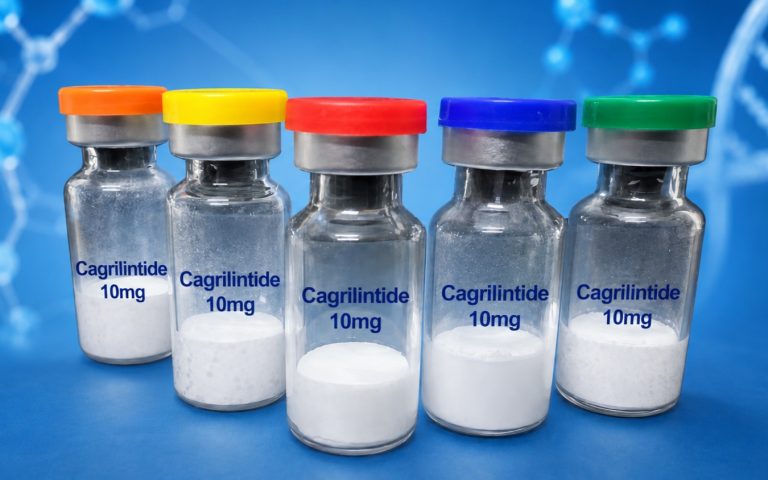
Cagrilintide Peptide: Research, Amylin Biology and Quality Considerations
What Is Cagrilintide? Cagrilintide is a synthetic, long-acting analogue of amylin, a peptide hormone naturally co-secreted with insulin…